Romalizio Trading Platform Alternatives 2026 (Safety First)
Romalizio Trading Platform Alternatives 2026: Reliable Options for Online Traders
Leverage is a blade: it cuts clean when you’re disciplined, and it cuts deep when you’re not. Romalizio sits in that familiar offshore/CFD lane—typically marketed as a fast on-ramp to forex and CFDs, often with crypto CFDs on the menu, a proprietary WebTrader, and a mobile app that tries to keep the experience “simple.” Public details can be thin in this segment, but the patterns are recognizable: higher headline leverage (often around 1:500), a minimum deposit that tends to land near $250, and spreads that start around 2.0 pips on EUR/USD on a standard-style account. That combination attracts new traders chasing speed, and also attracts professionals who immediately ask harder questions about execution model, protections, and withdrawals.
From my desk in Tokyo, I don’t romanticize “trust”—I verify. Banks print fiat. Brokers can print slippage. The point of reviewing Romalizio and its peers is not to dunk on any single brand, but to steer you toward frameworks where rules are enforced and client-money handling is defined. This guide to Romalizio alternatives focuses on regulated brokers with clearer disclosures, stronger oversight (FCA/ASIC/CySEC/NFA), and platform stacks that match real strategies—whether that’s DMA-style access for stocks, or MT4/MT5/cTrader for systematic FX.
Disclaimer: This article is for informational purposes only and does not constitute investment advice. CFDs and other leveraged products carry a high risk of loss and are not suitable for every investor.
Key Takeaways (TL;DR)
- Offshore-style CFD platforms often advertise 1:500 leverage; regulated Romalizio alternatives typically emphasize protections (segregated client funds, negative balance protection where required) over extreme leverage.
- Compare “round-turn” trading cost (spread + commission) and not just headline spreads—especially if you trade frequently or scalp around news.
- If you want real stocks/ETFs (not CFDs), prioritize multi-asset brokers like IBKR or Saxo; most CFD-first platforms don’t deliver shareholder rights.
What Is Romalizio and How Does Its Trading Platform Work?
Instead of a true multi-asset brokerage, Romalizio fits the CFD-first profile: forex pairs, index CFDs, commodity CFDs, and typically a set of crypto CFDs. In this bracket, the broker commonly operates offshore (often under Seychelles FSA-style oversight) and targets international retail traders outside restricted regions like the US. The pitch is convenience—one login, web platform, mobile access—rather than deep market access. For traders comparing brokers similar to Romalizio, the key distinction is whether you’re getting a tightly supervised environment with defined client fund rules, or a looser setup where disputes can become “support tickets” instead of regulated complaints.
Romalizio Web Trading Platform: Core Features and Tools
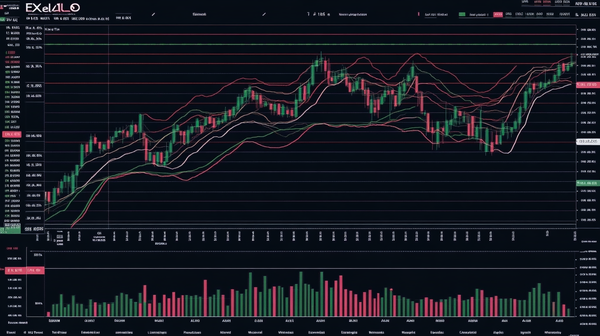
On the platform side, expect a proprietary WebTrader with basic-to-mid functionality, plus iOS/Android apps designed for monitoring and quick order placement. Charting is usually adequate for retail workflows—common indicators, drawing tools, multiple timeframes—but it’s rarely a full replacement for MT4/MT5 or cTrader if you rely on custom indicators, EAs, or granular order handling. Order types typically cover market, limit, and stop, with a straightforward account dashboard for deposits, withdrawals, and position tracking. Execution may feel “fine” in calm markets; the stress test is volatility, where slippage, requotes (if any), and the broker’s execution model matter more than how clean the UI looks.
Trading Fees, Spreads, and Account Types at Romalizio
Cost disclosures for platforms like Romalizio often center on spreads first, then financing later. A common retail baseline is EUR/USD from about 2.0 pips on a standard-style account. Some brokers in this category also advertise a raw/ECN-style tier with tighter spreads (down near 0.0–0.4 pips) but add commissions in the ballpark of $5–$8 round-turn; whether that’s actually competitive depends on your trade frequency and average holding time. Don’t ignore swap/overnight financing—CFDs can bleed quietly when you hold for days—and watch for non-trading charges such as inactivity or withdrawal fees depending on payment method.
When Do Traders Start Looking for Romalizio Alternatives?
At some point, the “easy” platform stops being enough. That’s usually when costs become measurable, execution becomes visible, or a trader’s strategy demands tooling the broker simply doesn’t provide. Romalizio alternatives matter most when you graduate from casual clicks into repeatable process—position sizing, documented setups, and a sober view of margin. Offshore leverage can feel powerful, but it also accelerates margin calls; one hard move and your account learns a lesson your ego won’t enjoy.
- You want MT4/MT5 or cTrader for automated systems, custom indicators, or tighter control of order handling than a proprietary WebTrader offers.
- You need regulator-backed complaint paths and clearer client-money rules (segregated funds, audited reporting) rather than informal dispute resolution.
- Your strategy is sensitive to slippage (news trading/scalping), and you want more transparency on execution model (market maker vs STP/ECN/DMA).
- You’ve realized you want real stocks/ETFs (ownership) instead of stock CFDs that carry no shareholder rights and can be repriced around corporate actions.
How to Choose a Reliable Alternative to the Romalizio Trading Platform
Pick a broker the way you’d size a position: start with risk, then optimize for cost and tools. For alternatives to the Romalizio trading platform, I build a short list and try to disqualify each candidate—by regulation, by product fit, by fee structure, by platform limitations—before I let “nice UX” seduce me.
Regulation, Safety, and Investor Protection
Regulation is not a vibe; it’s paperwork you can check. FCA, ASIC, CySEC, and NFA oversight typically forces tighter rules around disclosures and handling client funds (often segregated client funds). In the UK, FSCS protection can apply up to £85,000 in certain failure scenarios; in Cyprus, ICF coverage is commonly cited up to €20,000. Those schemes don’t make trading safe, but they can change outcomes when a firm fails. Competitors to Romalizio that sit under top-tier regulators usually provide clearer guardrails than offshore frameworks.
Available Markets and Instruments
Start from what you actually trade. If your plan is FX and index CFDs, a strong FX/CFD specialist can be enough. If you need stocks/ETFs, options, or futures, you’re stepping into a different class of broker—often with DMA or exchange routing and a more complex risk system. “Crypto” is its own trapdoor: crypto CFDs are not on-chain ownership, and you can’t withdraw BTC from a CFD account. If you want Bitcoin exposure without paper promises, consider whether you’re even looking for a broker—or a proper exchange and self-custody.
Trading Costs: Spreads, Commissions, and Other Fees
Ignore the marketing “from 0.0 pips” headline until you compute round-turn cost-of-trade: spread + commission, then layer in swaps if you hold overnight. A trader doing 200 round-turn lots a month will feel the difference between 0.8 pips all-in and 1.6 pips all-in far more than the difference between 1:200 and 1:500 leverage. Also check inactivity fees, deposit/withdrawal charges, and whether stop-loss orders are treated fairly in fast markets.
Platforms, Tools, and Execution Quality
Tooling decides what strategies are even possible. MT4/MT5 remains common for EAs; cTrader is popular for execution feel and depth-of-market style workflows; proprietary platforms can be fine for discretionary trading but often cap customization. Execution model matters: market makers internalize flow; STP/ECN/DMA setups route differently and can behave better or worse depending on liquidity and risk controls. If you’re judging Romalizio alternatives, demand clarity on slippage handling, order rejection policies, and how margin calls are triggered.
Support, Education, and Overall User Experience
Support quality shows up when something breaks: a withdrawal, a platform outage, a corporate-action adjustment on a CFD, a KYC review. Look for realistic support hours for your region, multilingual coverage if needed, and response times that don’t turn urgent issues into week-long email chains. Education is secondary for experienced traders, but still useful—especially around margin rules, negative balance protection, and how swap/overnight fees are calculated. Mobile parity matters too: if the app can’t manage risk properly, it’s just a dopamine slot machine.
Romalizio and Different Asset Classes: When Alternatives May Be Better
Romalizio Forex and CFD Trading
For FX and CFDs, Romalizio’s typical appeal is access plus leverage—often marketed up to around 1:500—with EUR/USD spreads that commonly start near 2.0 pips on a standard-style setup. The trade-off is that execution transparency and regulatory protections can be thinner in offshore structures. If your edge depends on consistent fills, look at FX/CFD specialists such as Pepperstone or IC Markets, where MT4/MT5/cTrader ecosystems and tighter pricing models are more common. In practice, the biggest difference for active traders is not the instrument list (most offer majors/minors, indices, gold, oil), but the all-in trading cost and how slippage behaves during volatility. Tight spreads won’t save you if your stops are consistently filled poorly; conversely, a slightly wider spread can be tolerable if execution is stable and rules are clear.
Romalizio Stock and ETF Trading
Here is where many platforms like Romalizio stop being “enough.” Stock and ETF access on CFD-first brokers is often CFD-only (no shareholder rights, no voting, no direct ownership), and sometimes the universe is limited. If you want real shares, real ETFs, and the ability to build long-term holdings rather than rolling CFD financing, multi-asset brokers dominate: Interactive Brokers (IBKR) is the global workhorse for stocks/ETFs/options/futures, while Saxo Bank is strong for a curated but broad multi-asset experience with professional-grade reporting. This is not just philosophical; it changes tax documents, corporate actions, and the entire risk profile. A CFD is a contract with a broker. An exchange-traded asset is a different game.
Romalizio Crypto Trading
Crypto exposure at CFD brokers is usually exactly that: a CFD. You can trade price moves on BTC or ETH, but you can’t withdraw bitcoin, you can’t verify reserves, and you’re still inside the broker’s margin system. That matters to me because “paper Bitcoin” is not Bitcoin—21 million, and not a coin more. If you still want regulated, broker-style access to crypto price exposure, IG and Plus500 commonly offer crypto CFDs in jurisdictions where permitted, with clearer risk disclosures than many offshore venues. For traders comparing regulated options vs Romalizio, the key is to separate speculation tools (CFDs) from ownership (on-chain). Don’t confuse the two, especially during exchange outages or extreme volatility.
Best Romalizio Alternatives for 2026: Comparison of Top Trading Platforms
Interactive Brokers (IBKR): Key Facts and How It Compares to Romalizio
Regulation: SEC/FINRA (US), FCA (UK), IIROC (Canada)
Markets: Stocks, ETFs, options, futures, bonds, FX (product availability varies by region)
Fees: FX pricing can be highly competitive for active traders; equities/derivatives pricing varies by venue and plan—compare schedules rather than headlines
Platform: Trader Workstation (TWS), IBKR Desktop/Web, mobile app, API access
Best For: Real stocks/ETFs and pro-grade multi-asset routing
Pepperstone: Key Facts and How It Compares to Romalizio
Regulation: FCA (UK), ASIC (Australia), CySEC (Cyprus), DFSA (Dubai)
Markets: FX, index CFDs, commodity CFDs, (some regions) crypto CFDs
Fees: Typically tighter pricing on Razor/Raw-style accounts (often ~0.0–0.3 pips + commission); Standard-style spreads commonly around ~1.0+ pip equivalent
Platform: MT4, MT5, cTrader, TradingView integration (availability varies)
Best For: MT4/MT5/cTrader traders focused on execution
IG: Key Facts and How It Compares to Romalizio
Regulation: FCA (UK), ASIC (Australia), MAS (Singapore)
Markets: CFDs (indices, FX, commodities, shares), spread betting (UK/IE), (where permitted) crypto CFDs
Fees: Costs vary by market; FX spreads are often competitive for retail (commonly around ~0.6–1.2 pips on majors depending on conditions)
Platform: IG web platform, mobile app, MT4 (in some regions)
Best For: Broad CFD market access with strong regulatory footprint
Saxo Bank: Key Facts and How It Compares to Romalizio
Regulation: FCA (UK), MAS (Singapore), DFSA (Dubai)
Markets: Stocks, ETFs, bonds, options, futures, FX, CFDs
Fees: Pricing depends on tier and instrument; FX spreads can be competitive, while multi-asset commissions follow published schedules
Platform: SaxoTraderGO, SaxoTraderPRO
Best For: Serious portfolio builders who still trade tactically
OANDA: Key Facts and How It Compares to Romalizio
Regulation: CFTC/NFA (US), FCA (UK), ASIC (Australia), IIROC (Canada)
Markets: FX (core), CFDs in some regions (indices/commodities), crypto CFDs in some jurisdictions (availability varies)
Fees: Often spread-only pricing on many accounts; typical major-pair spreads commonly around ~0.8–1.5 pips depending on market conditions
Platform: OANDA web/mobile, MT4 (availability varies)
Best For: FX-first traders who value transparent reporting
Plus500: Key Facts and How It Compares to Romalizio
Regulation: FCA (UK), CySEC (Cyprus), ASIC (Australia), MAS (Singapore)
Markets: CFDs on FX, indices, commodities, shares, ETFs, (where permitted) crypto CFDs
Fees: Spread-based pricing; costs vary by instrument and volatility—best assessed by checking live spreads in-platform
Platform: Plus500 proprietary WebTrader, mobile app
Best For: Simplicity-focused CFD trading with tight app UX
Comparison Summary
| Platform | Regulation | Main Markets | Typical Costs | Best For |
|---|---|---|---|---|
| Interactive Brokers (IBKR) | SEC/FINRA, FCA, IIROC | Stocks/ETFs, options, futures, bonds, FX | Venue/tier-based; highly competitive for active multi-asset traders | Real stocks/ETFs and pro-grade multi-asset routing |
| Pepperstone | FCA, ASIC, CySEC, DFSA | FX + index/commodity CFDs | Raw: ~0.0–0.3 pips + commission; Standard: ~1.0+ pip equivalent | MT4/MT5/cTrader traders focused on execution |
| IG | FCA, ASIC, MAS | CFDs (FX/indices/commodities/shares), spread betting (UK/IE) | Majors often ~0.6–1.2 pips; varies by market and conditions | Broad CFD market access with strong regulatory footprint |
| Saxo Bank | FCA, MAS, DFSA | Multi-asset: stocks/ETFs, options/futures, FX, CFDs | Tiered schedules; competitive FX + published commissions | Serious portfolio builders who still trade tactically |
| OANDA | CFTC/NFA, FCA, ASIC, IIROC | FX-first; CFDs in some regions | Commonly ~0.8–1.5 pips on majors depending on conditions | FX-first traders who value transparent reporting |
| Plus500 | FCA, CySEC, ASIC, MAS | CFDs across FX/indices/commodities/shares/ETFs | Spread-only; best checked via live pricing | Simplicity-focused CFD trading with tight app UX |
How to Safely Move from Romalizio to Another Broker
Switching brokers is not a “click-and-go” event; treat it like a controlled migration. The goal is to reduce operational risk—KYC delays, withdrawal friction, and mismatched contract specs—while keeping your exposure intentional. If you’re moving from Romalizio to one of the best Romalizio alternatives 2026, assume nothing transfers automatically, and remember: leverage magnifies mistakes in paperwork as much as it magnifies price moves.
- Confirm the new broker’s authorization on the regulator’s public register (FCA Register, ASIC Connect, CySEC directory, or NFA BASIC) and make sure the legal entity matches your account.
- Open the new account and complete KYC/AML early (ID + proof of address). Don’t wait until you “need” the account during a volatile week.
- Audit your current exposure: close open CFD positions rather than assuming they can be moved. Re-enter only if you still want the trade under the new broker’s specs.
- Request withdrawals using the same funding rail you used to deposit whenever possible; many brokers enforce this to satisfy anti-money-laundering rules.
- Download statements, confirmations, and full trade history for records and taxes before you lose dashboard access or the platform changes.
Ready to Explore Romalizio?
If you’re still evaluating, review the current onboarding flow, regional eligibility, and the product list—then compare it directly against regulated Romalizio trading platform alternatives 2026 with clearer protections and tooling. Your capital deserves more than a nice WebTrader.
FAQ: Romalizio Alternatives and Trading Platforms
What is the best alternative to Romalizio in 2026?
The best option depends on what you’re actually trying to do: for real stocks/ETFs and broad market access, Interactive Brokers (IBKR) is hard to beat; for FX execution with MT4/MT5/cTrader, Pepperstone is a strong candidate. Traders who want a regulated, broad CFD lineup often shortlist IG, while Saxo Bank fits those combining investing and active trading. In other words, “best” is strategy-fit, not brand hype.
Is Romalizio a safe broker/platform?
Romalizio appears to operate in an offshore/unregulated-style framework (commonly associated with jurisdictions like Seychelles), which generally provides fewer investor protections than FCA/ASIC/CySEC/NFA-regulated firms. That doesn’t automatically mean you will have a bad experience, but it does change your recourse if something goes wrong. If “safety” means strong oversight, compensation schemes, and transparent client-fund handling, many Romalizio alternatives score better.
Can I trade stocks, futures, or crypto with Romalizio?
Romalizio typically sits in the forex/CFD category, where “stocks” and “crypto” are commonly offered as CFDs rather than real ownership. Futures are often not offered as exchange-traded futures on CFD-first offshore platforms; when you see “futures,” it may be CFD exposure on an index or commodity instead. If you need real stocks/ETFs or exchange-traded futures, IBKR or Saxo Bank is usually the cleaner route.
What should I check before switching from Romalizio to another platform?
Before switching, verify the new broker’s regulator entry and legal entity, then read the product disclosure for margin rules, negative balance protection, and how swaps are calculated. Next, compare contract specs (lot size, margin, stop levels) so your strategy doesn’t break on day one. Finally, export your history from Romalizio and test the new platform with small size to observe spreads and slippage in real conditions.
About the Author: Kenji Tanaka is a Tokyo-based financial journalist and active trader with a background in cryptography studies (University of Tokyo, incomplete). I’m Bitcoin-orthodox—21 million, and not a coin more—so I’m allergic to opaque balance sheets, fiat theater, and “trust me” intermediaries. I write with a bias toward verifiable regulation, transparent execution, and risk controls that survive volatility.