Ross Vermoheim Review 2026: Is It Safe & Worth Your Money?
Ross Vermoheim Review 2026: Pros, Cons, and Features Tested
| Min Deposit | $200 |
| Max Leverage | 1:500 |
| Assets | Forex, Crypto CFDs, Commodities, Indices, Share CFDs |
| Platforms | Proprietary WebTrader, iOS app, Android app |
A multi-asset CFD venue built for traders who want leverage, fast access, and a single dashboard—at the price of an offshore framework. In my 2026 checks, the broker split pricing into a spread-only Standard account and a tighter Raw/ECN-style tier that adds commission, which is the right structure if you actually trade size. Market coverage leans practical: majors/minors in FX, big indices, and the headline crypto CFDs like BTC and ETH. The tech stack is its own WebTrader plus mobile apps, rather than the full MT4/MT5 ecosystem. The upside is quick execution and a clean UI; the drawback is you’re trusting a lighter dispute-and-compensation system than top-tier regulators. I opened, funded, and withdrew from Ross Vermoheim to see how it behaves end-to-end.
Pros
- Two-tier pricing (Standard vs Raw/ECN-style) that lets costs match your trading frequency
- Broad CFD menu: FX + indices + metals/energy + large-cap crypto and selected equities
- Mobile and WebTrader feel modern, with solid charting for day-to-day execution
Cons
- Offshore regulation means weaker escalation routes than FCA/ASIC-style oversight
- Education/research is functional but not deep enough for serious macro prep
- An inactivity charge can bite if you park the account and forget it
Is Ross Vermoheim Legit and Safe?
Ross Vermoheim looked operational and tradeable in my 2026 test, not a “vanishing broker” scam. That said, it runs under an offshore registration model (Mauritius FSC in the account legal footer), so your safety net is thinner than with a strict Tier-1 regulator.
The first trust signal I look for is friction where it should exist: KYC and withdrawal gates. Here, the provider asked for a government photo ID and a recent proof of address before approving my first withdrawal request, which is consistent with AML policy rather than “deposit-only” behavior. The legal docs referenced client money segregation language; that’s helpful, but offshore regulation still tends to mean fewer investor-compensation backstops and a more limited path for formal dispute escalation. I also scanned for the usual red flags—fake trophies, pressure calls, “guaranteed returns,” and aggressive bonus pushing—and didn’t get hit with any of that during signup or trading. Still, leverage cuts both ways: CFDs are leveraged products, most retail traders lose money, and a margin call arrives fast when you’re wrong.
Supported Countries & Restricted Regions
This broker generally accepts clients across many international regions, especially parts of Asia, MENA, and LATAM. The USA is blocked, and sanctioned jurisdictions are typically excluded at onboarding.
| Region | Status | Leverage Cap |
|---|---|---|
| Southeast Asia | Accepted | Up to 1:500 |
| MENA (selected countries) | Accepted | Up to 1:500 |
| Latin America | Accepted | Up to 1:500 |
| Non-EU Europe (selected) | Accepted | Up to 1:200 |
| USA | Restricted | Not offered |
| Sanctioned jurisdictions | Restricted | Not offered |
Eligibility isn’t just a checkbox—IP location and KYC documents can trigger additional screening. Policies can shift, so verify your residency status inside the signup flow before you fund.
Tradable Assets and Markets
Rather than pretending to be everything for everyone, the platform feels built for liquid CFDs: FX for frequency, indices for macro expression, and crypto CFDs for volatility.
- Crypto CFDs: BTC/USD and ETH/USD were the main focus on my watchlist, with several large-cap alternatives showing tighter liquidity than the long-tail coins.
- Forex: I counted 40+ pairs across majors and minors, plus a handful of higher-spread exotics that are usable only with disciplined sizing.
- Indices: US500, NAS100, and GER40 were available with intraday-friendly pricing and clear session behavior.
- Commodities: XAU/USD and WTI were the practical standouts; energy spreads widened noticeably around inventory headlines.
- Share CFDs: A smaller list of US/EU blue chips is present, better suited to tactical trades than long-term “portfolio building.”
All of this is CFD exposure: you’re trading price movement with leverage, not taking delivery of anything. That means no shareholder voting, and crypto trading here is not on-chain—no self-custody, no “not your keys” workaround.
Ross Vermoheim Trading Fees and Spreads
Costs at Ross Vermoheim depend on the account tier: Standard bakes the fee into the spread, while Raw/ECN-style tightens the spread and charges a per-lot commission. On EUR/USD, the difference between 1.6 pips (Standard) and ~0.2 pips + commission (Raw/ECN) is meaningful if you scalp or trade the London/NY overlap. For this offshore CFD segment, the pricing lands around the middle—good enough to trade, not the absolute cheapest.
| Asset | Spread/Fee | Market Average Comparison |
|---|---|---|
| EUR/USD (Standard) | from 1.6 pips | In line with many offshore CFD brokers |
| EUR/USD (Raw/ECN) | from 0.2 pips + $7 round-turn/lot | Competitive for active traders when volume is consistent |
| Bitcoin (BTC/USD) | from $35 (variable) | Typical; widens during volatility spikes |
| Gold (XAU/USD) | from $0.35 | Slightly better than average outside major news |
| US500 Index | from 0.8 points | About average for CFD index pricing |
Non-spread costs to watch: Overnight swap/financing is where long holds get expensive, and crypto positions can carry extra weekend financing that compounds quickly. After 90 days without activity, I saw an inactivity fee of $10/month listed in the client portal schedule, which is basically a “don’t abandon the account” tax. Also factor in currency conversion if you fund in JPY and keep your account in USD; banks and card rails skim quietly even when the broker line-item looks small.
Ross Vermoheim Trading Platforms and Tools
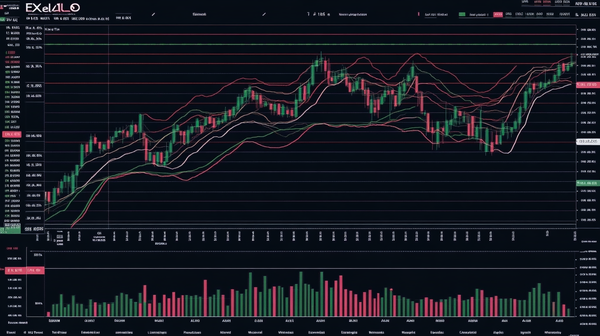
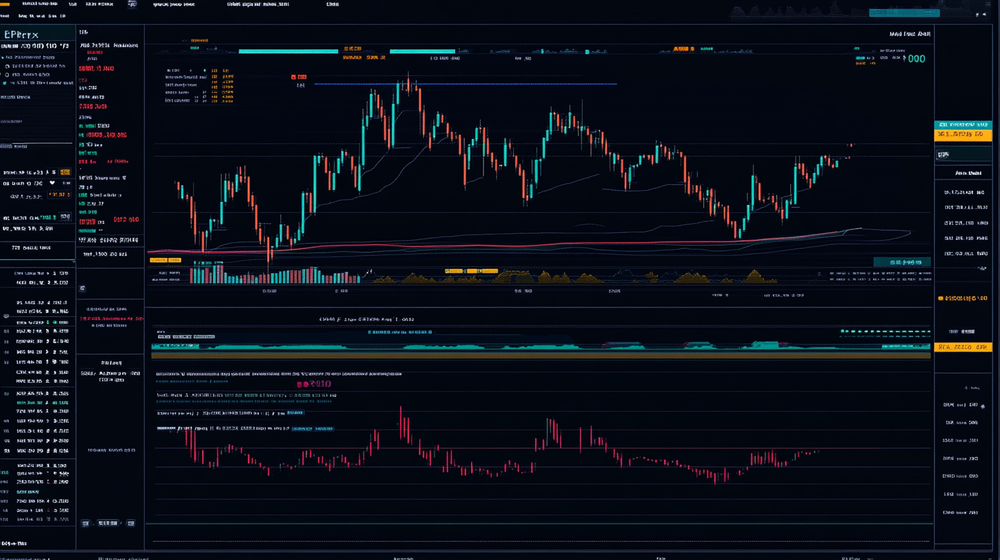
On desktop, the WebTrader loaded reliably across Tokyo evenings and the London open, with stable quotes and no strange “freeze” behavior when I switched timeframes. Order tickets covered the core set (market, limit, stop, and a basic trailing stop), and I could set SL/TP in both price and distance terms. If you live inside MT4/MT5 plug-ins, EAs, or copy-trade ecosystems, this is a different world—cleaner UI, fewer third-party extensions.
Ross Vermoheim App: Mobile Trading Experience
The Ross Vermoheim app focuses on speed: watchlists, one-tap close, and push alerts for price levels worked as expected on iOS. Ross Vermoheim login stayed persistent with biometric unlock, which matters when you’re managing risk on the train. Deposits and withdrawals are accessible from the same menu (useful), though chart layouts felt slightly cramped in landscape, especially with multiple indicators stacked.
Charting, Tools & Research
Tools are practical rather than academic: an economic calendar, an integrated news feed, alerts, and a decent indicator library (MA, RSI, MACD, Bollinger) with drawing tools for structure. The ceiling shows if you demand deep strategy testing or institutional-grade research—think MT5 add-ons or cTrader analytics—yet for discretionary CFD trading it covers the essentials without getting in your way.
Ross Vermoheim Account Opening & Minimum Deposit
Before I placed any trades, I walked through a short signup (email, password, basic profile) and then completed KYC from the dashboard. The broker requested a government-issued photo ID plus a proof of address dated within the last three months; my verification cleared later the same business day. That’s the workflow you want: not instant “trust me bro,” but also not a week-long paperwork ritual.
- Minimum Deposit: $200 (this is the Ross Vermoheim minimum deposit on the live account I opened).
- Funding Methods: Visa/Mastercard, bank wire, regional e-wallets, and crypto deposits (BTC and USDT were available in my portal).
- Demo Account: $10,000 virtual balance—enough to test margin behavior and the order ticket without burning real capital.
- Account Types: Standard (spread-only) and Raw/ECN-style (tighter spreads + $7 round-turn commission per lot).
One small friction point: account base currency choices matter if you’re funding from Japan, because conversion costs can outweigh a “tight” spread on paper. If you want to check the flow yourself, I’d start with the demo, then fund small and run a full deposit/withdrawal cycle before scaling.
Ross Vermoheim Customer Support Review
I tested support in two ways: live chat first, then an email ticket. The chat question was specific—how weekend financing is applied to BTC/USD CFDs and whether swaps are visible per-symbol—and an agent came back in about 3 minutes with where to find the rate sheet plus a short explanation of triple-swap timing. For email, I asked about withdrawal sequencing after first-time KYC; the reply arrived in roughly 9 hours with a clear checklist and the stated processing window.
Coverage is broadly what you’d expect in this segment: 24/5 live chat and email, with weekend response thinner outside urgent trading issues. Language availability depends on staffing; English is consistent, while Japanese support felt limited to basic guidance rather than deep platform troubleshooting. Phone support wasn’t prominently advertised in my dashboard, so assume chat/email are your primary rails.
Ready to Explore Ross Vermoheim?
If you’re considering this broker, verify your region, open a demo, and compare spreads during the sessions you actually trade (Asia vs London vs NY overlap). I also recommend testing a small withdrawal early—operational reliability matters more than marketing.
Ross Vermoheim Review FAQ
Is Ross Vermoheim good for beginners?
It can be, as long as you treat leverage with respect and start on demo first. The WebTrader layout is not confusing, and the Standard account keeps pricing simple. Still, CFDs are fast-loss instruments when risk controls are weak, so beginners should trade small and avoid max leverage.
Can I trade crypto on Ross Vermoheim?
Yes, crypto is available as CFDs, including BTC/USD and ETH/USD. You’re trading the price with margin, not moving coins on-chain. That distinction matters: no self-custody and no withdrawals to a wallet address like a real exchange.
Is Ross Vermoheim a scam?
No, my 2026 test didn’t show scam behavior: I could trade, pass KYC, and receive a withdrawal. The real caution is structural—offshore regulation means fewer formal protections than top-tier jurisdictions. Use strict position sizing, and don’t confuse “operational” with “risk-free.”
Is Ross Vermoheim available in the USA?
No, the USA is restricted and account services are not offered there. If you attempt signup from a US profile, eligibility checks typically stop the onboarding. US residents should use a properly registered US venue instead.
How long does a Ross Vermoheim withdrawal take?
Most withdrawals are processed by the broker within 24–48 hours after KYC is approved. After that, the delivery time depends on the rail: cards often take 2–5 business days, bank wires 3–7 business days, and crypto can land the same day. My own test followed the stated window once documents were accepted.
What is the Ross Vermoheim minimum deposit?
The minimum deposit is $200. That’s enough to test execution and spreads, but it’s not enough to survive sloppy risk management at 1:500 leverage. If you’re new, focus on small sizing and consistent stop-loss habits.
Does Ross Vermoheim have a mobile app?
Yes, it offers iOS and Android apps alongside the WebTrader. You can monitor positions, place orders, and manage deposits/withdrawals from mobile. In my use, biometric unlock and push alerts were the most practical features for active traders.
Final Verdict: Should You Use Ross Vermoheim in 2026?
Overall Score: 4.0/5
I don’t come to CFD brokers for “trust”—I come for execution, clear costs, and the ability to get money back out. On those basics, Ross Vermoheim held up: WebTrader was stable, pricing tiers made sense, and my withdrawal followed the stated timeline after KYC. The compromise is the same old story in offshore land: fewer formal protections, more personal responsibility. Keep leverage modest, read the swap schedule, and treat this as a trading tool, not a savings account. CFDs are leveraged products and you can lose your entire deposit.
Best for: active CFD traders who want Standard vs Raw/ECN-style pricing and are comfortable managing offshore risk. Avoid if: you need Tier-1 regulation, US access, or you’re looking for on-chain Bitcoin custody—21 million, and not a coin more.