Scellérance Trading Platform Alternatives 2026 Guide
Scellérance Trading Platform Alternatives 2026: Reliable Options for Online Traders
Leverage can feel like rocket fuel—right up until it burns your account. That’s the lens I use when people ask about offshore CFD venues and where to go next. Scellérance appears to sit in the typical “Forex + CFD-first” category: a proprietary WebTrader, a mobile app, broad leverage marketing, and a menu heavy on FX pairs, indices, commodities, and crypto CFDs. Public-facing details can be thin compared with top-tier firms, which matters because trading is already hard; adding uncertainty about oversight, withdrawals, or execution is an avoidable handicap.
From what traders usually encounter in this segment, Scellérance is commonly associated with an offshore framework (often seen under jurisdictions like Seychelles) and headline conditions such as a minimum deposit around $250, leverage up to 1:500, and EUR/USD spreads starting near ~2.0 pips on a standard-style account. Those numbers don’t automatically mean “scam,” but they do change the risk math: high leverage compresses your margin for error, and offshore oversight can reduce the practical paths for dispute resolution. That’s why Scellérance alternatives deserve a serious look—especially if you care about transparent regulation, segregated client funds, and a platform stack built for repeatable execution rather than flashy promises. If you’re currently using Scellérance, this 2026 guide focuses on safer substitutes, how to compare total trading costs (not just spreads), and how to migrate without creating a withdrawal or tax-record mess.
Disclaimer: This article is for informational purposes only and does not constitute investment advice. CFDs and other leveraged products carry a high risk of loss and are not suitable for everyone.
Key Takeaways (TL;DR)
- Don’t compare brokers by max leverage; compare by regulation, execution model, and your all-in round-turn trading cost (spread + commissions + swaps).
- If you want real stocks/ETFs (not equity CFDs), a multi-asset broker like Interactive Brokers or Saxo can close that gap fast.
- Open and KYC-verify the new account first; only then withdraw from the old venue using the same funding rail to avoid AML friction.
What Is Scellérance and How Does Its Trading Platform Work?
In practical terms, Scellérance looks like a retail trading venue oriented around CFDs—pricing synthetic exposure to FX, indices, commodities, and often crypto as CFDs rather than delivering “ownership” of anything. That model usually serves short-term speculators: people who care about leverage and fast order entry more than long-term investing features. The trade-off is that you’re relying heavily on the broker’s internal controls and dispute process, especially when the firm is offshore. For traders comparing competitors to Scellérance, the key question isn’t whether the platform can place an order—it’s whether you can verify oversight, execution quality, and client-fund protections you can actually enforce.
Scellérance Web Trading Platform: Core Features and Tools
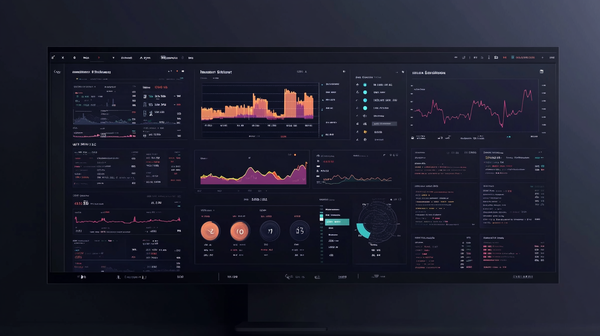
The Scellérance setup is typically centered on a proprietary WebTrader with a companion iOS/Android app. Expect basic-to-mid charting: common timeframes, standard indicators, and drawing tools suitable for routine technical analysis, but not always deep enough for systematic testing or advanced order management. Order entry is usually straightforward (market, limit, stop), while more specialized features—like granular partial fills, advanced OCO logic, or robust trade journaling—may feel lighter than MT4/MT5/cTrader ecosystems. Mobile tends to mirror the web interface for watchlists and position management, though traders who scalp will care about how the platform handles slippage during fast markets.
Trading Fees, Spreads, and Account Types at Scellérance
Cost presentation in offshore CFD offerings often emphasizes “tight spreads” while burying the rest of the bill. A reasonable expectation in this bracket is EUR/USD around ~2.0 pips on a standard account, with a “raw/ECN-style” tier sometimes advertised at ~0.0–0.4 pips plus a round-turn commission in the neighborhood of $5–$8. Add swaps/overnight financing for held positions, and your true cost can balloon in trendless markets. Withdrawal and inactivity charges vary by provider and funding method, so platforms like Scellérance should be audited by reading the fee schedule line-by-line before funding heavily.
When Do Traders Start Looking for Scellérance Alternatives?
Regulation is usually the first crack in the wall. If a broker is offshore, you’re often trading under thinner supervision than FCA/ASIC/CySEC standards—and that changes how much trust you’re forced to “donate” to the platform. For many people, the second pressure point is execution: a few ugly fills around news, repeated requotes, or ambiguous trade confirmations can turn a strategy negative even when the chart read was correct. That’s when Scellérance alternatives move from curiosity to necessity, especially for traders who size positions tightly and cannot afford platform uncertainty.
- You need MT4/MT5 or cTrader for an EA/systematic workflow, but the current WebTrader can’t support your automation or custom indicators.
- Your withdrawals take longer than expected, or the broker repeatedly asks for additional documents beyond standard KYC/AML checks.
- You want verifiable investor-protection rules (segregated funds, negative balance protection policies) rather than “trust us” support replies.
- You’re paying wider effective spreads than anticipated (e.g., EUR/USD hovering near ~2.0 pips), and the all-in cost is eating your edge.
How to Choose a Reliable Alternative to the Scellérance Trading Platform
A good selection process starts with admitting one uncomfortable truth: you are not only choosing a charting screen, you are choosing a counterparty. So treat this like a strategy fit-and-risk-budget exercise. Decide what you must have (regulator, instruments, platform type), what you can tolerate (market-maker execution vs STP/ECN/DMA), and what will quietly drain you (swap, commissions, inactivity). This is how you narrow down regulated options vs Scellérance without getting hypnotized by marketing.
Regulation, Safety, and Investor Protection
For US/EU-focused traders, the regulator logo is not decoration—it’s your escalation path. FCA authorization in the UK can come with FSCS coverage up to £85,000 (eligibility depends on the exact entity and product), while CySEC-regulated firms may fall under the ICF up to €20,000. ASIC oversight is strong but compensation structures differ from the UK/EU. Look for segregated client funds, clear complaint procedures, and entity-level clarity (which subsidiary you’re onboarding to), not vague “global group” claims.
Available Markets and Instruments
Write down what you truly trade. If it’s only major FX pairs and indices, an FX/CFD specialist may be enough. If you want real stocks/ETFs, you’ll need a multi-asset broker with exchange access—CFDs on equities are not the same thing (no shareholder rights, different tax handling, and the counterparty risk is structured differently). Crypto is another fork: CFD exposure is price-only; it’s not on-chain ownership, and you can’t withdraw coins to a self-custody wallet.
Trading Costs: Spreads, Commissions, and Other Fees
Spreads are the visible part of the iceberg. Compare round-turn cost-of-trade: spread plus commissions, then layer in typical swap/overnight financing for your holding period. A scalper doing 200 round turns per month will feel a 0.5–1.0 pip difference brutally, while a swing trader may care more about swaps and financing transparency. Also check non-trading fees: inactivity charges, deposit/withdrawal fees, and currency conversion costs can quietly exceed “tight spread” savings.
Platforms, Tools, and Execution Quality
Platform choice is strategy choice. MT4/MT5 and cTrader support automation, a deep indicator ecosystem, and third-party tools; proprietary platforms can be clean but sometimes boxed-in. Then comes the execution model: market maker vs STP/ECN/DMA changes how orders are handled, how slippage shows up, and what you can infer about liquidity. If you’re moving from Scellérance, run a small live test on the new broker during volatile sessions to observe spreads, rejections, and fill quality.
Support, Education, and Overall User Experience
When money is on the line, support is part of risk control. Check whether the broker offers live chat/phone coverage during your trading hours, and whether support can answer operational questions (margin call rules, negative balance protection, corporate actions on CFDs) without scripts. Education matters less for veterans, but a robust knowledge base reduces errors for newer traders. Finally, make sure the mobile app has full trade management; partial functionality is a recipe for panic mistakes.
Scellérance and Different Asset Classes: When Alternatives May Be Better
Scellérance Forex and CFD Trading
Forex and index CFDs are where Scellérance-like venues usually concentrate, typically offering something like 30–50 FX pairs plus a modest set of indices and commodities, alongside high leverage (often marketed up to 1:500). The issue isn’t availability—it’s consistency. A EUR/USD spread around ~2.0 pips on a standard account can be workable for occasional trading, but it’s a tax on frequent entries. In contrast, FX/CFD specialists such as Pepperstone and IC Markets often provide Razor/Raw-style pricing where EUR/USD can be near ~0.0–0.3 pips plus a commission (exact costs depend on entity and account type). Execution tooling also tends to be stronger: MT4/MT5/cTrader support, VPS-friendly environments, and clearer reporting on fills. If your edge is small—most are—cost and slippage are not “details,” they are your P&L.
Scellérance Stock and ETF Trading
Equities are where the gap shows up fast. Offshore CFD-first brokers frequently offer stock “trading” primarily as equity CFDs, which means you’re speculating on price moves without owning shares and without access to the full exchange ecosystem. Traders who want real US/EU stocks and ETFs—actual holdings with corporate actions handled in standard ways—should look at Interactive Brokers or Saxo Bank. Both are multi-asset and built around broad market access (stocks, ETFs, options, futures, bonds; entity availability varies by region). The practical difference is huge: real assets typically have different fee structures (commissions, exchange/clearing fees) and don’t depend on a CFD pricing stream for every tick. If your plan includes long-term allocation rather than pure short-term leverage, this is where alternatives to the Scellérance trading platform can materially change your outcome.
Scellérance Crypto Trading
Crypto on offshore platforms is commonly offered as CFDs—price exposure only, no on-chain withdrawals, no self-custody, and no “21 million— not a coin more” sovereignty. That setup can suit tactical traders who want to short or hedge, but it’s not Bitcoin ownership; it’s a leveraged bet priced by the broker. If you want crypto CFDs under stronger oversight, IG and Plus500 (where available) are widely recognized regulated venues offering crypto CFDs in certain jurisdictions, with product availability constrained by local rules. The core question is what you’re trying to do: trade volatility with strict risk limits, or hold an asset outside the fiat-banking labyrinth. For the second goal, a broker account won’t replace a hardware wallet—different tool, different threat model.
Best Scellérance Alternatives for 2026: Comparison of Top Trading Platforms
Interactive Brokers (IBKR): Key Facts and How It Compares to Scellérance
Regulation: SEC/FINRA (US), FCA (UK), IIROC (Canada) (entity depends on residency)
Markets: Stocks, ETFs, options, futures, bonds, FX (and more, region-dependent)
Fees: FX pricing is typically tight; commissions/fees vary by product and venue (compare per-trade and routing/exchange fees)
Platform: Trader Workstation (TWS), IBKR Desktop, web platform, mobile; API access
Best For: Real multi-asset investing + pro-grade market access
Pepperstone: Key Facts and How It Compares to Scellérance
Regulation: FCA (UK), ASIC (Australia), CySEC (EU), DFSA (Dubai)
Markets: FX and CFDs (indices, commodities, some crypto CFDs where permitted)
Fees: EUR/USD often ~0.0–0.3 pips on Razor/Raw-style accounts + commission; ~1.0+ pip typical on Standard (varies by entity)
Platform: MT4, MT5, cTrader, TradingView integration (availability varies)
Best For: MT4/MT5/cTrader traders focused on execution
Saxo Bank: Key Facts and How It Compares to Scellérance
Regulation: FCA (UK), MAS (Singapore), DFSA (Dubai) (entity depends on residency)
Markets: Stocks, ETFs, options, futures, bonds, FX, CFDs
Fees: Pricing depends on tier and product; FX spreads are generally competitive, while equities involve commissions and exchange fees
Platform: SaxoTraderGO, SaxoTraderPRO
Best For: Serious portfolio builders who also trade
IG: Key Facts and How It Compares to Scellérance
Regulation: FCA (UK), ASIC (Australia), MAS (Singapore)
Markets: CFDs (indices, FX, commodities, shares), spread betting (UK/IE), some crypto CFDs where permitted
Fees: Spread-based CFD pricing; typical costs vary by instrument and volatility (check live spread snapshots)
Platform: IG web platform and mobile app; MT4 supported in many regions
Best For: Broad CFD market coverage with strong oversight
OANDA: Key Facts and How It Compares to Scellérance
Regulation: CFTC/NFA (US), FCA (UK), ASIC (Australia), IIROC (Canada)
Markets: FX (plus CFDs in certain regions, subject to local rules)
Fees: Typically spread-based pricing; EUR/USD spreads often ~0.6–1.2 pips depending on account type and market conditions
Platform: OANDA web/mobile platform; MT4 support in many regions
Best For: US-eligible FX traders who prioritize compliance
CMC Markets: Key Facts and How It Compares to Scellérance
Regulation: FCA (UK), ASIC (Australia), BaFin (Germany)
Markets: CFDs (FX, indices, commodities, shares) and related products (region-dependent)
Fees: Spread-based; major FX pairs can be competitive, but costs vary by instrument and session
Platform: Next Generation web platform and mobile; MT4 offered in some regions
Best For: Chart-driven discretionary CFD traders
Comparison Summary
| Platform | Regulation | Main Markets | Typical Costs | Best For |
|---|---|---|---|---|
| Interactive Brokers (IBKR) | SEC/FINRA, FCA, IIROC (by entity) | Real stocks/ETFs, options, futures, bonds, FX | Product-based commissions/fees; FX generally tight | Real multi-asset investing + pro-grade market access |
| Pepperstone | FCA, ASIC, CySEC, DFSA | FX + CFDs | Raw ~0.0–0.3 pips + commission; Standard ~1.0+ pip | MT4/MT5/cTrader traders focused on execution |
| Saxo Bank | FCA, MAS, DFSA (by entity) | Stocks/ETFs, options, futures, bonds, FX, CFDs | Tiered pricing; FX spreads competitive; equity commissions apply | Serious portfolio builders who also trade |
| IG | FCA, ASIC, MAS | CFDs + (UK/IE) spread betting; broad index/share CFDs | Mostly spread-based; varies by instrument/volatility | Broad CFD market coverage with strong oversight |
| OANDA | CFTC/NFA, FCA, ASIC, IIROC | FX (and CFDs in some regions) | Typically spread-only; EUR/USD ~0.6–1.2 pips (conditions vary) | US-eligible FX traders who prioritize compliance |
| CMC Markets | FCA, ASIC, BaFin | CFDs (FX, indices, commodities, shares) | Spread-based; competitive majors, variable by session | Chart-driven discretionary CFD traders |
How to Safely Move from Scellérance to Another Broker
Switching brokers is not a “click and forget” job; it’s operational risk management. Treat it like migrating a wallet: you don’t move everything in one blind leap, and you document everything. The sequence matters because withdrawals, KYC checks, and margin rules can collide at the worst time—right when markets spike and leveraged positions punish hesitation. If you’re moving away from Scellérance, prioritize verification and clean records before you redeploy size.
- Confirm the new broker’s authorization on the regulator’s public register (FCA Register, ASIC Connect, CySEC listing, or NFA BASIC), matching the legal entity name—not just the brand.
- Open the new account and complete KYC (ID + proof of address) before you start closing anything on the old platform; approval often clears within about a business day, but delays happen.
- Flatten open positions at the old broker and re-enter on the new venue if you still want exposure; direct position transfers between retail CFD brokers are typically not supported.
- Withdraw using the same payment method you used to deposit when possible; many firms enforce this for AML, and ignoring it can create extra review cycles.
- Export trade history, statements, and funding records before you disengage; tax reporting and dispute resolution both get harder when you lack timestamps and ticket IDs.
Ready to Explore Scellérance?
If you’re still evaluating, compare onboarding steps, fee schedules, and regional eligibility side-by-side before you commit capital. Check the platform stack you’ll actually use (mobile vs desktop, MT4/MT5/cTrader vs web), then test with small size first—because leverage turns minor frictions into major losses.
FAQ: Scellérance Alternatives and Trading Platforms
What is the best alternative to Scellérance in 2026?
The best choice depends on what you’re trading and whether you need real assets or CFDs. For real stocks/ETFs and deep market access, Interactive Brokers or Saxo Bank are strong Scellérance trading platform alternatives 2026; for FX/CFD execution with MT4/MT5/cTrader, Pepperstone is a frequent fit. If you need US-eligible spot FX under strict rules, OANDA is often the cleanest route.
Is Scellérance a safe broker/platform?
Scellérance is commonly encountered as an offshore/unregulated-style CFD venue (often associated with jurisdictions like Seychelles), which generally provides fewer enforceable protections than FCA/ASIC/CySEC frameworks. That doesn’t automatically define the outcome for every user, but it increases counterparty and operational risk, especially around disputes and withdrawals. If safety is your priority, the best Scellérance alternatives 2026 are typically those where you can verify the exact legal entity on a public regulator register.
Can I trade stocks, futures, or crypto with Scellérance?
With brokers similar to Scellérance, stocks and ETFs are often offered as CFDs (price exposure) rather than real share ownership, and listed futures access is frequently limited compared with multi-asset firms. Crypto is typically presented as crypto CFDs—tradeable volatility, not on-chain coins you can withdraw. If you need real equities or exchange-traded futures, consider alternatives to the Scellérance trading platform such as Interactive Brokers or Saxo Bank; for crypto CFDs under stronger oversight, IG may be available depending on your region.
What should I check before switching from Scellérance to another platform?
Before switching, verify the new broker’s regulator and legal entity on the official register, then read the margin-call and negative-balance rules in plain language. Next, compare total cost (spread + commission + swap) for your strategy, not just the headline spread. Finally, export statements and withdrawal records from Scellérance alternatives research and run a small live test on the new venue before scaling.
About the Author: Kenji Tanaka is a Tokyo-based financial writer and active trader with a cryptography background (University of Tokyo, incomplete) who focuses on market structure, execution quality, and counterparty risk. I don’t romanticize fiat rails or bank promises—“21 million — and not a coin more”—but I’m even harsher on sloppy risk controls and opaque brokers.