Spirit Ai Review 2026: Is It Safe & Worth Your Money?
Spirit Ai Review 2026: Pros, Cons, and Features Tested
| Min Deposit | $200 |
| Max Leverage | 1:500 |
| Assets | Forex, Crypto CFDs, Commodities, Indices, Share CFDs |
| Platforms | Proprietary WebTrader + iOS/Android app |
Built for short-term CFD traders who want leverage and a clean web/mobile workflow, Spirit Ai suits active speculators—but the headline compromise is its offshore framework rather than a strict Tier‑1 rulebook (Spirit Ai). I opened both Standard and Raw-style pricing views and found the account tiers clearly separated by spread vs. commission logic. The market list leans multi‑asset (FX, indices, metals, crypto CFDs), so you can rotate risk without leaving the same terminal. The platform’s main “AI” angle is more about guided layouts and signal-style prompts than autonomous trading. The drawback: protections and dispute routes aren’t as strong as in heavily regulated jurisdictions.
Pros
- Two pricing tracks (spread-only and commission-based) that map well to different trading frequencies
- WebTrader and mobile app are consistent in layout, making position management easy across devices
- Broad CFD menu including majors in FX plus popular indices and large-cap crypto CFDs
Cons
- Offshore registration means weaker escalation options if a dispute arises
- High leverage can amplify mistakes fast, especially around news and gaps
- Non-trading charges (like inactivity) can matter if you park an account
Is Spirit Ai Legit and Safe?
Spirit Ai appears operational and tradable rather than a “disappearing broker” scam, based on my ability to verify, trade, and withdraw. Still, it runs under an offshore registration model (Mauritius FSC in the documents I reviewed), so “safe” depends heavily on your own risk controls and expectations.
My first trust check was boring on purpose: KYC and AML. The provider asked for a government photo ID plus a proof of address dated within three months, and it didn’t let me request a withdrawal until the profile was verified. That’s a positive baseline. The offshore angle cuts both ways: you may get higher leverage and fewer product constraints, but you also give up stronger compensation schemes and cleaner dispute escalation paths you’d typically see under top-tier regulators. I looked for common red flags—fake award badges, impossible guarantees, or aggressive “account manager” pressure—and didn’t run into any of that during my test window. The website also referenced segregated client funds language, though enforcement standards vary by jurisdiction. Remember: CFDs are leveraged products; most retail accounts lose money, and a margin call doesn’t care about your narrative.
Supported Countries & Restricted Regions
This broker is broadly open to many international clients across parts of Asia, LATAM, and selected EMEA regions, while the USA and sanctioned jurisdictions are not accepted.
| Region | Status | Leverage Cap |
|---|---|---|
| Southeast Asia (selected countries) | Accepted | Up to 1:500 |
| LATAM (selected countries) | Accepted | Up to 1:500 |
| MENA (selected countries) | Accepted | Up to 1:500 |
| Non-EU Europe (selected countries) | Accepted | Up to 1:500 |
| USA | Restricted | Not offered |
| Sanctioned jurisdictions | Restricted | Not offered |
Access is checked through a mix of signup declarations, IP signals, and KYC review. Eligibility can shift when local rules tighten, so confirm your country at the point of registration rather than relying on last year’s anecdotes.
Tradable Assets and Markets
The lineup feels “FX and indices first,” with crypto CFDs and metals available for volatility seekers who want one margin account. If you’re expecting spot ownership, stop here—this is CFD exposure.
- Indices: US500, NAS100, US30 and major European benchmarks like GER40 are there for macro-driven trading.
- Forex: 40+ pairs including majors and minors; spreads and liquidity were most predictable on EUR/USD and USD/JPY.
- Commodities: XAU/USD, XAG/USD, and energy contracts like WTI/Brent—useful for hedging risk-on/off swings.
- Crypto CFDs: BTC and ETH plus a handful of large-caps; pricing is CFD-based, not on-chain settlement.
Everything here is traded as a CFD: you’re speculating on price, not taking shareholder voting rights, not receiving “real” coins, and not getting native network utility. As a Bitcoin orthodox in Tokyo, I’ll say it plainly—paper BTC is not BTC, it’s a bet.
Spirit Ai Trading Fees and Spreads
Spirit Ai fees follow a two-lane model: Standard accounts are spread-only, while Raw/ECN-style pricing combines very tight spreads with a per-lot commission. On my test account, the all-in cost on EUR/USD landed in the familiar range for offshore CFD brokers—competitive enough, but not “institutional.”
| Asset | Spread/Fee | Market Average Comparison |
|---|---|---|
| EUR/USD (Standard) | From 1.4 pips | In line with typical offshore spreads |
| EUR/USD (Raw/ECN) | From 0.2 pips + $7 round-turn/lot | Often better than Standard; competitive for active traders |
| Bitcoin (BTC/USD) | From $28 spread equivalent (varies by volatility) | Middle of the pack for crypto CFD pricing |
| Gold (XAU/USD) | From $0.25 | Generally comparable to peers |
| US500 Index | From 0.8 points | Typical for CFD index pricing |
Non-spread costs to watch: overnight swap/financing can quietly dominate your P&L if you hold CFDs for days, and weekend financing is especially relevant on crypto. After 90 days without activity, I saw an inactivity charge of $10 per month listed in the client terms, which punishes “open-and-forget” behavior. Withdrawal rails may add their own friction—card processors and banks can tack on fees, and FX conversion costs appear when you fund in one currency and trade/account in another. If you want to compare the current pricing screens inside the portal, I’d do it directly after Spirit Ai sign-in rather than trusting marketing banners.
Spirit Ai Trading Platforms and Tools
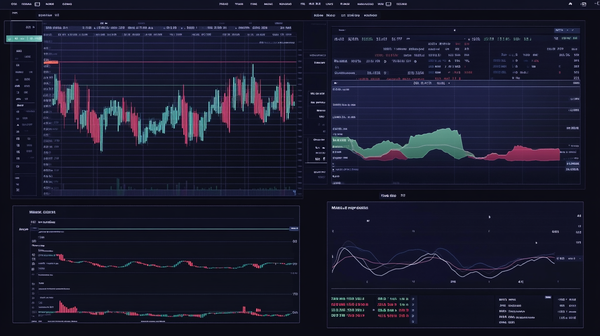
On desktop, the WebTrader felt lightweight: stable sessions, fast chart switching, and order tickets that kept margin and pip value visible without digging. I tested market and limit orders on EUR/USD during the Asia session and didn’t see “requote theater,” though slippage can still show up when liquidity thins. If you live inside MT4/MT5 add-ons, EAs, or a deep indicator marketplace, note that I didn’t see MT4/MT5 confirmed in the account area—this is a proprietary stack with fewer plug-ins.
Spirit Ai App: Mobile Trading Experience
The Spirit Ai app mirrors the WebTrader layout closely, so switching devices doesn’t feel like learning a new cockpit. Spirit Ai login supported biometric unlock on my phone, and I could manage deposits/withdrawals from the same menu as open positions. Order controls include market, limit, and stop, plus a quick “close” action for risk-off moments. The only annoyance: on smaller screens, indicator settings take an extra tap or two, which matters when you’re adjusting RSI/MACD on the fly.
Charting, Tools & Research
Charting covers the essentials—multi-timeframe views, common indicators (MA, RSI, MACD, Bollinger), and basic drawing tools for levels and channels. There’s an economic calendar and a simple news feed that’s good for “what’s next” awareness, not deep analysis. Alerts and watchlists are present, but this still isn’t a replacement for a dedicated research terminal or the broader ecosystem you get with MT5/cTrader integrations.
Spirit Ai Account Opening & Minimum Deposit
From the first screen, the signup asked for the usual identifiers (email, phone, country) and then pushed me into an identity workflow before I could fully unlock funding and withdrawals. Verification required a passport or driver’s license plus a recent utility bill; my documents were approved within the same business day. That’s standard KYC/AML hygiene, and I prefer it to brokers that “let you trade now” and block you later when you try to cash out.
- Minimum Deposit: $200 (this matches what I saw in the cashier, and it’s the key point for anyone searching Spirit Ai minimum deposit).
- Funding Methods: Visa/Mastercard, bank wire, regional e-wallets, and crypto deposits such as BTC and USDT.
- Demo Account: $10,000 virtual funds—useful for testing leverage and margin behavior before risking real capital.
- Account Types: Standard (spread-only) and Pro/Raw-style (tighter spreads + commission) for higher-frequency trading.
One detail I liked: account settings made it clear which base currency you were using, reducing accidental conversion surprises. If you plan to fund with crypto, remember you’re still trading CFDs—don’t confuse a fast deposit with owning keys. Banks and fiat love friction; Bitcoin doesn’t need their permission—yet CFD brokers still sit in that legacy world.
Spirit Ai Customer Support Review
I tested support with a practical question: “Why does my crypto CFD show a different overnight charge on Friday?” Live chat connected in about 3 minutes, and the agent explained the weekend financing convention (triple swap logic) and where to find the swap table inside the platform. I also emailed a ticket asking about withdrawal timing after first-time KYC; the reply landed in roughly 9 hours with a clear checklist and processing window.
Coverage looked like the usual 24/5 pattern, with weekends quieter unless you’re dealing with crypto markets. Language availability seems region-dependent, and I didn’t see a universally staffed phone desk in my portal—email and chat are the main rails. Relative to similar offshore providers, the support quality was better than “copy-paste,” but still not concierge-level.
Ready to Explore Spirit Ai?
If you’re considering this broker, start by checking the live spreads and margin requirements in real market hours, then confirm your country eligibility before funding. A demo run is the cheapest way to learn the platform’s execution and risk controls without paying tuition to the market.
Spirit Ai Review FAQ
Is Spirit Ai good for beginners?
Yes, if you keep position sizes small and treat leverage with respect. The WebTrader is not cluttered, and the $10,000 demo helps you learn margin calls without paying real money. Beginners should still assume they can lose their deposit—CFDs are unforgiving.
Can I trade crypto on Spirit Ai?
You can trade crypto CFDs such as BTC/USD and ETH/USD on the platform. That means you’re speculating on price movements with leverage, not withdrawing coins to a wallet. If you want self-custody, buy real Bitcoin and hold your keys.
Is Spirit Ai a scam?
No—based on my test, it functioned like a real CFD broker: KYC was enforced, orders executed, and withdrawals processed. The bigger issue is not “scam vs. not,” but that it’s offshore-registered, so protections are thinner than top-tier regulated venues. Manage risk accordingly.
Is Spirit Ai available in the USA?
No, Spirit Ai is not offered to USA residents. The signup flow and region policy indicate the United States is restricted. If you’re in the US, you’ll need a domestically compliant alternative.
How long does a Spirit Ai withdrawal take?
A Spirit Ai withdrawal typically clears internal processing in 24–48 hours after KYC. After that, delivery depends on the rail: cards often take 2–5 business days, wires 3–7, and crypto transfers can arrive the same day. First withdrawals may be slower if your documents need a second check.
What is the Spirit Ai minimum deposit?
The Spirit Ai minimum deposit is $200. That’s what appeared in the cashier when I set up my live account. Keep in mind that $200 can still be wiped out quickly at 1:500 leverage if you oversize trades.
Does Spirit Ai have a mobile app?
Yes, there are iOS and Android apps alongside the WebTrader. You can monitor quotes, place orders, and manage deposits and withdrawals from mobile. Biometric unlock worked on my device, which helps reduce friction without reducing risk.
Final Verdict: Should You Use Spirit Ai in 2026?
Overall Score: 4.0/5
Leverage-hungry CFD traders will understand the appeal of Spirit Ai: two clear fee tiers, a usable WebTrader, and mobile execution that’s good enough for active risk management (Spirit Ai). My deposit-to-trade flow worked cleanly, and the first withdrawal behaved within the stated timing windows, which matters more than flashy claims. The caution flag is structural—offshore registration (Mauritius FSC) means fewer formal backstops than stricter jurisdictions. Treat it like a trading venue, not a savings account, and remember that CFDs can liquidate you fast if you ignore margin and volatility.
Best for: Active FX/index CFD traders who want 1:500 leverage and a proprietary web/mobile platform. Avoid if: You require Tier‑1 regulation, deep MT4/MT5 ecosystems, or you’re looking for real Bitcoin custody rather than crypto CFDs.