Starwirevox Trading Platform Alternatives 2026
Starwirevox Trading Platform Alternatives 2026: Reliable Options for Online Traders
Leverage is a sharp knife. Used well, it’s a tool; used blindly, it bleeds accounts. That’s the right mindset for anyone comparing offshore CFD venues and regulated brokers in 2026—especially if you’ve been trading on a broker that looks and feels “fine” until the day withdrawals, slippage, or support turn into a real test. Starwirevox appears to sit in the familiar offshore CFD lane: a proprietary WebTrader, a mobile app, and a menu centered on forex and CFDs (often including crypto CFDs). From what’s typically seen in this category, traders may face wide-ish all-in pricing (think ~2.0 pips typical on EUR/USD on a standard-style setup), high maximum leverage (commonly up to 1:500), and a minimum deposit around $250.
None of that automatically makes a platform “bad.” But it does change the risk math. With CFDs, execution quality, margin rules, and client-fund protections matter more than glossy charts. The safest pivot usually isn’t “another offshore site that looks similar,” but a broker with tier-1 oversight, clear disclosures, and tools that match your strategy (MT4/MT5/cTrader, DMA where relevant, and transparent fee schedules). This guide maps credible Starwirevox alternatives for a US/EU-leaning global audience and explains how to migrate without making avoidable mistakes.
Disclaimer: This article is for informational purposes only and does not constitute investment advice. CFDs and other leveraged products carry a high risk of loss and are not suitable for every investor.
Key Takeaways (TL;DR)
- If you need real stocks/ETFs (not just CFDs), start with multi-asset brokers like Interactive Brokers or Saxo Bank—different product, different protections.
- For active FX traders, compare “round-turn” trading cost (spread + commission) rather than headline leverage; a Raw-style account can materially change outcomes.
- Before migrating, get your new account KYC-approved first, then withdraw using the same rails you deposited with to avoid AML friction.
What Is Starwirevox and How Does Its Trading Platform Work?
From the outside, Starwirevox fits the offshore CFD broker template: a broker-style counterparty offering leveraged exposure to forex pairs, indices, commodities, and often crypto via CFDs rather than spot ownership. In this setup, you’re generally trading prices and margin requirements, not taking delivery of assets. The target user tends to be retail traders who want quick onboarding, high leverage (commonly advertised up to 1:500), and a simple web platform instead of a full institutional stack. That’s precisely why brokers similar to Starwirevox are frequently compared against FCA/ASIC/CySEC/NFA-supervised firms: the products may look the same on a chart, while the protections behind the scenes can be radically different.
Starwirevox Web Trading Platform: Core Features and Tools
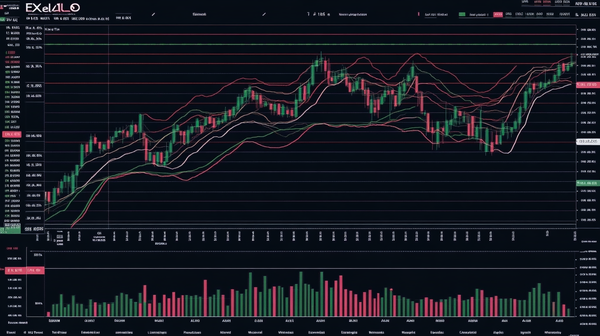
The platform stack is usually a proprietary WebTrader with an accompanying iOS/Android app. Expect competent basics: watchlists, one-click trading, and charting that covers common timeframes with a standard library of indicators and drawing tools. Order tickets typically support market and pending orders with stop-loss/take-profit, but advanced features—multi-chart layouts, deeper order types, or granular trade analytics—can feel thin compared with MT5 or cTrader ecosystems. Mobile tends to mirror the core workflow (open/close, modify stops, check margin), yet heavy technical work is still more comfortable on desktop. As with many platforms like Starwirevox, the bigger question isn’t “can you place trades,” but “how predictable is execution during fast markets.”
Trading Fees, Spreads, and Account Types at Starwirevox
In offshore CFD pricing, the “headline spread” rarely tells the whole story. A typical reference point for standard-style accounts is around 2.0 pips on EUR/USD, while some venues also offer a Raw/ECN-like tier that pairs ~0.0–0.4 pips with a commission (often roughly $6 round-turn per standard lot). Overnight financing (swap) is usually charged on leveraged positions held past the cut-off, and that can dominate P&L for longer holds. Traders should also watch for non-trading fees—withdrawal charges, currency-conversion markups, and inactivity fees—because these are common friction points where competitors to Starwirevox differentiate themselves through clearer schedules and better rails.
When Do Traders Start Looking for Starwirevox Alternatives?
Sometimes the trigger is dramatic—an unexpected withdrawal delay. More often it’s boring math: spreads that quietly tax every trade, or platform constraints that block a strategy. Traders scanning Starwirevox alternatives tend to be reacting to a mismatch between their risk budget and the broker’s operating environment, especially when high leverage (like 1:500) meets thin transparency. The moment you realize you’re trading a leveraged CFD without robust investor protections, the priority shifts from “features” to “trust architecture.” That’s not ideology; it’s survival.
- You need MT4/MT5 or cTrader for an EA/scalping workflow, but the current proprietary WebTrader can’t support your automation or plugins.
- Your EUR/USD trading costs feel heavy (e.g., ~2.0 pips typical), and you want to compare true round-turn cost on a Raw + commission model.
- You want tier-1 oversight (FCA/ASIC/CySEC/NFA) plus client money rules like segregated funds and clearer dispute processes.
- You’re planning to trade real stocks/ETFs (with proper market access) rather than stock CFDs with no shareholder rights.
How to Choose a Reliable Alternative to the Starwirevox Trading Platform
Pick a broker the way you’d pick a hardware wallet: start with threat modeling, then choose features. For alternatives to the Starwirevox trading platform, the checklist is less about “nice charts” and more about regulation, execution, and costs that remain sane when volatility spikes.
Regulation, Safety, and Investor Protection
In the US/EU context, names matter: FCA (UK), ASIC (Australia), CySEC (EU), and NFA/CFTC (US) are the regulators traders most often verify first. FCA-regulated firms may fall under FSCS protection (up to £85,000 for eligible clients), and CySEC-regulated firms may participate in the ICF (up to €20,000). Beyond compensation caps, look for segregated client funds, negative balance protection where applicable, and clear policies on complaints. If you’re comparing regulated options vs Starwirevox, the simplest test is whether the broker is listed on the regulator’s public register under the same legal entity you’re onboarding with.
Available Markets and Instruments
Your instrument list should match your intent. FX and index CFDs are fine for short-horizon traders who accept leverage risk; long-horizon investors generally want real stocks/ETFs and transparent custody. Options and futures are their own category—margin rules, assignment risk, and exchange routing are not “extra features,” they’re a different sport. Many top substitutes for Starwirevox also provide bonds, ETFs, and exchange-traded products, which can reduce reliance on leveraged CFDs when you want to de-risk.
Trading Costs: Spreads, Commissions, and Other Fees
Costs should be compared as an all-in round-turn figure: spread + commission, then add the “silent” charges (swap/overnight, conversion, data fees, inactivity). A scalper doing 100 round-turn lots per month can feel a 1.0 pip difference like a tax bill; a swing trader may care more about swaps. Also separate marketing from reality: “tight spreads” without context on commissions and typical conditions can mislead. This is where you measure Starwirevox alternatives with a calculator, not hope.
Platforms, Tools, and Execution Quality
Platform choice is strategy choice. MT4/MT5 ecosystems enable EAs and a huge indicator library; cTrader is popular for execution transparency and depth-of-market; proprietary platforms can be clean but restrictive. Execution model matters too: market maker internalization isn’t automatically evil, but it changes how slippage, requotes, and fills behave in fast markets. If you’re moving off Starwirevox, test execution with a small account first—news spikes and thin-liquidity hours are where “paper specs” get exposed.
Support, Education, and Overall User Experience
Support quality shows up at the worst possible time: margin calls, withdrawal verification, corporate actions, or platform outages. Check whether support is 24/5 or 24/7, whether you can reach a human quickly, and whether the broker publishes clear education on margin, swaps, and risk limits. Mobile parity matters if you manage stops on the move, and localized documentation can reduce mistakes. Brokers similar to Starwirevox sometimes feel fast at onboarding and slow at resolution—verify before you commit size.
Starwirevox and Different Asset Classes: When Alternatives May Be Better
Starwirevox Forex and CFD Trading
On forex and CFD coverage, Starwirevox likely offers the expected retail set: roughly a few dozen FX pairs, a standard basket of indices, and a small list of commodities—paired with maximum leverage commonly around 1:500. The catch is cost-and-execution consistency. A typical ~2.0 pip EUR/USD spread can be workable for occasional traders, but it’s rough for high-frequency styles; add slippage and you can bleed without noticing until the month ends. In regulated venues, FX specialists like Pepperstone and IC Markets are built for this fight: MT4/MT5/cTrader support, Raw pricing options (spread near zero at times plus commission), and infrastructure designed for active trading. That doesn’t erase risk—CFDs are still leveraged—but it can make the trading environment more measurable and less “trust me, bro.”
Starwirevox Stock and ETF Trading
Stock exposure is where the product definition changes. Offshore CFD brokers frequently provide “stocks” as CFDs—price exposure only, no shareholder rights, no direct participation in corporate actions the way a real equity holder experiences them. If your goal is ownership, dividends, voting rights, and transparent custody, a CFD wrapper is the wrong instrument. Multi-asset brokers such as Interactive Brokers and Saxo Bank specialize in real stocks/ETFs and broader exchange access, including options and futures in many regions. This is also a protection issue: regulated custody and clearer asset segregation can matter more than a tight spread. For many traders searching best Starwirevox alternatives 2026, the real upgrade is moving from CFD-only thinking to owning productive assets where it fits their plan.
Starwirevox Crypto Trading
Crypto on offshore CFD platforms is usually “crypto CFDs”: you’re trading a synthetic price with leverage, not holding keys and not moving coins on-chain. That can be acceptable for hedging or short-term speculation, but it’s not Bitcoin ownership. I’m orthodox about this: if you can’t withdraw sats, you don’t own sats. For regulated exposure, brokers like IG and Plus500 commonly provide crypto CFDs in permitted jurisdictions, with clearer risk disclosures and regulated oversight (availability depends heavily on region). Still, remember the trap: crypto + leverage magnifies volatility twice—first from the asset, then from margin. If your aim is long-term Bitcoin savings, the safest path is usually spot accumulation and self-custody; CFDs are for traders, not stackers.
Best Starwirevox Alternatives for 2026: Comparison of Top Trading Platforms
Interactive Brokers (IBKR): Key Facts and How It Compares to Starwirevox
Regulation: SEC/FINRA (US), FCA (UK), IIROC (Canada)
Markets: stocks, ETFs, options, futures, bonds, FX
Fees: FX pricing varies by venue/plan; costs are typically low for active traders, but compare commissions and market data fees for your region
Platform: Trader Workstation (TWS), IBKR Desktop, web and mobile apps, API
Best For: Multi-asset traders who want real markets (not CFD-only)
IG: Key Facts and How It Compares to Starwirevox
Regulation: FCA (UK), ASIC (Australia), MAS (Singapore)
Markets: CFDs (FX, indices, commodities, shares), spread betting (UK/IE), crypto CFDs (region-dependent)
Fees: spreads vary by market; FX spreads are commonly competitive for a regulated CFD provider, with additional costs via overnight financing
Platform: IG web platform, mobile apps, MT4 (where available)
Best For: Regulated CFD traders prioritizing broad market coverage
Pepperstone: Key Facts and How It Compares to Starwirevox
Regulation: FCA (UK), ASIC (Australia), CySEC (EU), DFSA (Dubai)
Markets: FX and CFDs (indices, commodities, some shares)
Fees: Standard accounts often price EUR/USD around ~1.0–1.3 pips; Raw-style pricing can run ~0.0–0.3 pips plus commission (commissions vary by platform)
Platform: MT4, MT5, cTrader, TradingView integration (where available)
Best For: Active FX traders who care about execution and platform choice
OANDA: Key Facts and How It Compares to Starwirevox
Regulation: CFTC/NFA (US), FCA (UK), ASIC (Australia), IIROC (Canada)
Markets: FX and CFDs (availability varies by region)
Fees: typically spread-based pricing; EUR/USD often around ~1.0–1.6 pips depending on account and market conditions; financing applies on leveraged holds
Platform: OANDA web and mobile, MT4 (in many regions)
Best For: US-eligible FX traders who want strong regulatory footing
Saxo Bank: Key Facts and How It Compares to Starwirevox
Regulation: FCA (UK), MAS (Singapore), DFSA (Dubai)
Markets: stocks, ETFs, bonds, FX, options, futures, CFDs
Fees: pricing depends on tier and product; FX spreads can be competitive on higher tiers, while investing products use commissions/venue fees
Platform: SaxoTraderGO, SaxoTraderPRO
Best For: Portfolio-style traders combining investing with tactical hedges
Plus500: Key Facts and How It Compares to Starwirevox
Regulation: FCA (UK), CySEC (EU), ASIC (Australia), MAS (Singapore)
Markets: CFDs (FX, indices, commodities, shares), crypto CFDs (where permitted)
Fees: spread-based model; costs vary by instrument and volatility, with overnight fees on leveraged positions
Platform: Plus500 proprietary WebTrader and mobile app
Best For: Beginners wanting a simple regulated CFD interface
Comparison Summary
| Platform | Regulation | Main Markets | Typical Costs | Best For |
|---|---|---|---|---|
| Interactive Brokers (IBKR) | SEC/FINRA, FCA, IIROC | Real stocks/ETFs, options, futures, bonds, FX | Low-to-competitive overall; watch commissions and market data fees | Multi-asset traders who want real markets (not CFD-only) |
| IG | FCA, ASIC, MAS | CFDs across FX/indices/commodities/shares; crypto CFDs (region-dependent) | Competitive regulated CFD spreads; overnight financing on holds | Regulated CFD traders prioritizing broad market coverage |
| Pepperstone | FCA, ASIC, CySEC, DFSA | FX + CFDs | Standard ~1.0–1.3 pips; Raw ~0.0–0.3 pips + commission | Active FX traders who care about execution and platform choice |
| OANDA | CFTC/NFA, FCA, ASIC, IIROC | FX (plus CFDs in some regions) | Spread-based, often ~1.0–1.6 pips EUR/USD; financing on leverage | US-eligible FX traders who want strong regulatory footing |
| Saxo Bank | FCA, MAS, DFSA | Stocks/ETFs/bonds + FX, options, futures, CFDs | Tiered pricing; spreads/commissions depend on product and plan | Portfolio-style traders combining investing with tactical hedges |
| Plus500 | FCA, CySEC, ASIC, MAS | CFDs (including shares); crypto CFDs (where permitted) | Spread-based; overnight fees apply | Beginners wanting a simple regulated CFD interface |
How to Safely Move from Starwirevox to Another Broker
Switching brokers is less like changing apps and more like moving vaults. Treat it as operational risk management: you want continuity of access, clean records, and no forced liquidations because you rushed. I’ve watched traders lose money not from the market, but from sloppy migration—margin surprises, mismatched names on payment methods, or missing tax logs. Keep leverage small during the transition and don’t run overlapping exposures unless you intentionally hedge.
- Confirm the new broker’s legal entity on the regulator’s own register (FCA Register, ASIC Connect, CySEC lists, or NFA BASIC) before you deposit a cent.
- Open the new account and complete KYC/AML upfront (ID + proof of address). Get approval first; then you can move funds without time pressure.
- Flatten open positions at your old broker rather than assuming transfers are possible; most retail CFD/FX accounts do not support position portability between firms.
- Request withdrawals using the same rails you used to fund the account (card-to-card, bank-to-bank, etc.). This is a common AML constraint, not a “preference.”
- Export statements, trade history, and funding records from Starwirevox before you reduce activity or close the account, so your tax and performance tracking doesn’t rely on memory.
Ready to Explore Starwirevox?
If you’re still evaluating and want to compare onboarding, product menus, and current trading conditions directly, review the platform carefully and check your regional eligibility. Match the toolset to your strategy, then benchmark it against the regulated Starwirevox trading platform alternatives 2026 listed above.
FAQ: Starwirevox Alternatives and Trading Platforms
What is the best alternative to Starwirevox in 2026?
The best alternative depends on whether you need real assets or leveraged CFDs. For real stocks/ETFs and broad market access, Interactive Brokers and Saxo Bank are strong Starwirevox alternatives; for FX-focused trading, Pepperstone or OANDA are often a better fit than offshore CFD venues. If your priority is a regulated CFD list with a polished UI, IG is a common starting point. Treat “best Starwirevox alternatives 2026” as “best for your strategy + your jurisdiction,” not as a single winner.
Is Starwirevox a safe broker/platform?
Starwirevox appears to operate in an offshore/unregulated framework consistent with brokers registered in places like Seychelles FSA rather than under FCA/ASIC/CySEC/NFA supervision. That typically means fewer investor-protection layers (for example, no FSCS-style coverage) and more reliance on the broker’s own internal controls. Safety also depends on how withdrawals, client fund segregation, and dispute handling are implemented—areas where regulated options vs Starwirevox are usually easier to verify.
Can I trade stocks, futures, or crypto with Starwirevox?
Starwirevox is typically positioned around forex and CFDs, and “stocks” are often offered as CFDs rather than real shares, while exchange-traded futures are frequently not offered on offshore CFD platforms. Crypto exposure, when available, is usually via crypto CFDs—price speculation with leverage, not on-chain ownership or withdrawals. If you need real stocks/ETFs or futures routing, look at multi-asset brokers like IBKR or Saxo; if you want crypto CFDs under a regulated brand (where permitted), platforms like IG or Plus500 may fit better.
What should I check before switching from Starwirevox to another platform?
Before switching, verify the new broker’s exact legal entity on the regulator’s public register and confirm client-money protections (segregated funds, negative balance rules, complaint process). Next, compare your expected all-in trading cost (spread + commission + swap) using your typical volume and holding time, not a demo screenshot. Finally, make sure your deposit/withdrawal method and account name match to avoid AML delays when moving funds off Starwirevox.
About the Author: Kenji Tanaka is a Tokyo-based financial journalist and active trader with a cryptography background (University of Tokyo, incomplete). I’m Bitcoin-orthodox—“21 million — and not a coin more”—and I distrust fiat-era incentives, which is exactly why I obsess over execution quality, verifiable regulation, and custody realities when I evaluate brokers.