Swaptaire Review 2026: Is It Safe & Worth Your Money?
Swaptaire Review 2026: Pros, Cons, and Features Tested
| Min Deposit | $200 |
| Max Leverage | 1:500 |
| Assets | Forex, Crypto CFDs, Commodities, Indices, Share CFDs |
| Platforms | Proprietary WebTrader, iOS/Android mobile apps |
Built for traders who want fast CFD access (and don’t mind an offshore wrapper), Swaptaire fits active speculators chasing leverage more than long-term investors chasing “safety.” In my 2026 test, the account menu split cleanly into a spread-only Standard tier and a tighter Raw/ECN-style option for frequent trading. Markets skew multi-asset—FX and indices feel like the core, with crypto CFDs as the spice on top—run through a proprietary WebTrader plus mobile apps. The USP is flexibility (high leverage, multiple funding rails, quick internal withdrawals); the drawback is the same old story: offshore dispute escalation is not Tokyo court-grade. Full Swaptaire coverage below, including fees, tools, and withdrawal timing.
Pros
- Two-tier pricing (Standard vs Raw/ECN-style) gives clear choices for cost vs simplicity
- Broad CFD lineup beyond FX, including major indices and crypto CFDs
- WebTrader and mobile apps felt stable across Asia and London sessions
Cons
- Offshore registration means thinner safety nets than Tier-1 regulators
- Education/research content is functional, not deep
- Inactivity fee can quietly nibble dormant accounts
Is Swaptaire Legit and Safe?
Swaptaire operated as a real, functioning CFD broker in my test—orders filled, KYC was enforced, and withdrawals processed—but it sits in the offshore category, not under a top-tier watchdog. That doesn’t equal “scam,” yet it does mean fewer formal protections if something goes wrong.
I started by checking the legal footer and onboarding disclosures: the broker presented an offshore registration under the Mauritius FSC framework, the kind of setup that often enables higher leverage and lighter product restrictions. In practice, that trade-off cuts both ways—faster access and more leverage, but weaker compensation schemes and less muscle for dispute resolution than, say, a strict domestic regulator. On the red-flag front, I looked for the usual nonsense (fake trophies, “guaranteed profits,” or aggressive phone pressure); what I got instead was mostly plain compliance language and a firm KYC gate before withdrawals. The platform also referenced segregated client funds in its risk documentation, which is a positive signal, even if enforcement standards vary offshore. Remember: CFDs are leveraged products; margin calls happen fast, and most retail accounts lose money—capital is at risk.
Supported Countries & Restricted Regions
Swaptaire accepted a wide spread of international clients during my sign-up flow, especially across parts of Asia, MENA, and LATAM; the USA and sanctioned jurisdictions were blocked.
| Region | Status | Leverage Cap |
|---|---|---|
| Southeast Asia | Accepted | Up to 1:500 |
| MENA (non-sanctioned) | Accepted | Up to 1:500 |
| Latin America | Accepted | Up to 1:500 |
| Europe (non-EU/EEA) | Accepted | Up to 1:200 |
| USA | Restricted | Not offered |
| Sanctioned jurisdictions | Restricted | Not offered |
Eligibility wasn’t just a checkbox: IP location and residence fields were validated, and document checks can still override what the signup page initially allows. Policies move over time, so treat country access as something to confirm before funding.
Tradable Assets and Markets
Rather than being a pure FX shop, this platform leans “multi-asset CFD” with enough depth for cross-market traders who rotate risk between majors, metals, and index volatility.
- Crypto CFDs: BTC and ETH were front-and-center, with several large-cap coins available for short-term speculation without on-chain transfers.
- Forex: A solid list of majors and minors (I counted 40+ pairs in the selector), with exotics present but less liquid.
- Indices: Big benchmarks like US500, NAS100, and GER40 were available for session-based trading around opens and macro headlines.
- Commodities: Gold and crude (WTI/Brent) covered the usual hedging and momentum setups; spreads widened modestly around rollovers.
All of this is CFD exposure: you’re trading price movement, not owning shares, not receiving shareholder rights, and not holding real bitcoin. If you want self-custody, you already know the answer—withdraw sats to your own keys, not to a broker ledger.
Swaptaire Trading Fees and Spreads
Swaptaire fees follow a two-lane model: Standard accounts pay via spread, while a Raw/ECN-style tier tightens the spread and adds a per-lot commission. On EUR/USD, my quotes lined up with what you’d expect from an offshore CFD venue—competitive enough for active trading, but not the absolute cheapest in the market.
| Asset | Spread/Fee | Market Average Comparison |
|---|---|---|
| EUR/USD (Standard) | From 1.6 pips | In line with offshore CFD peers |
| EUR/USD (Raw/ECN) | From 0.2 pips + $7 round-turn/lot | Often better than spread-only accounts |
| Bitcoin (BTC/USD) | From $35 (variable) | Typical for CFD crypto pricing |
| Gold (XAU/USD) | From $0.30 | Competitive during liquid hours |
| US500 Index | From 0.9 points | About average for retail CFD platforms |
Non-spread costs that matter: Overnight swap/financing is the silent tax, especially if you “forget” positions across multiple sessions—crypto weekend financing can sting too. There’s also an inactivity fee of $10 per month after 90 days of no trading, which is basically a penalty for letting an account rot. On withdrawals, I didn’t see a platform-side “mystery fee” in the portal, but your payment rail and FX conversion can add friction; funding in one currency and withdrawing in another is where costs sneak in. If you want to compare the full schedule inside the portal, open the fee page after Swaptaire login and read the small print before sizing up leverage.
Swaptaire Trading Platforms and Tools
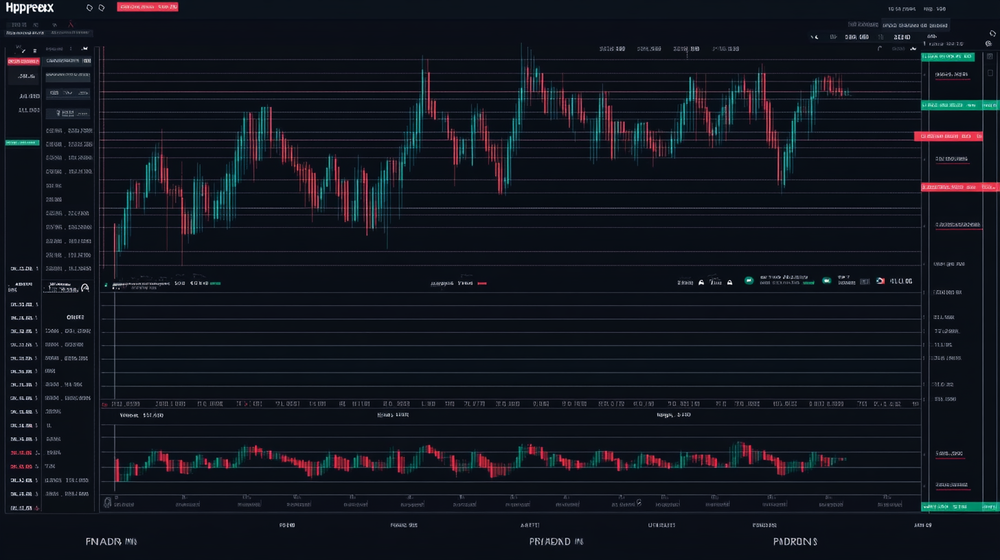
On desktop, the proprietary WebTrader felt like it was built for people who actually click charts all day: watchlists on the left, a clean order ticket, and multi-timeframe layouts that didn’t lag when I switched symbols quickly. Order types covered the basics I care about (market, limit, stop, plus SL/TP), and execution during the London open held up without constant “price changed” pop-ups. No MT4/MT5 was presented to me as a confirmed option; if you live on EAs and third-party plugins, the ecosystem gap is real.
Swaptaire App: Mobile Trading Experience
The Swaptaire app mirrored the WebTrader logic well enough that I didn’t feel “lost” moving from laptop to phone; the Swaptaire login supported biometric unlock on my device, which is the minimum standard in 2026. Quotes updated smoothly, and I could set stop-loss/take-profit, close positions with one tap, and deposit/withdraw directly from the wallet screen. Push notifications for fills and margin alerts were useful, though I’d like more granular alert controls for active index trading.
Charting, Tools & Research
Tools are practical rather than fancy: an economic calendar, a news feed, and a familiar indicator shelf (MA, RSI, MACD, Bollinger) with drawing tools for levels and trendlines. Alerts and watchlists did the job for my Asia-session routine. Still, if you’re used to heavyweight research terminals or MT5/cTrader depth-of-market extras, this is a lighter stack—fine for discretionary trading, less ideal for quant-heavy workflows.
Swaptaire Account Opening & Minimum Deposit
My onboarding started with email + phone verification, then a short profile questionnaire (experience, risk, and basic AML prompts). KYC required a government-issued photo ID and a recent proof of address dated within three months; I used a utility bill, uploaded via camera capture, and verification cleared later the same business day. That’s normal for offshore brokers that still take compliance seriously.
- Minimum Deposit: $200 (this is the Swaptaire minimum deposit shown in the funding screen)
- Funding Methods: Visa/Mastercard, bank wire, regional e-wallets, and crypto deposits (BTC and USDT were visible in my wallet)
- Demo Account: $10,000 virtual funds, useful for testing margin behavior and slippage on your own strategy
- Account Types: Standard (spread-only) and Raw/ECN-style (tighter spreads + $7 round-turn/lot)
One note from a Bitcoin orthodox in Tokyo: crypto funding is convenient, but it’s still not self-custody—once you send coins, you’re trusting a ledger entry until you withdraw. If you decide to proceed, keep your deposit sizing sane, pass KYC early, and treat leverage like fire.
Swaptaire Customer Support Review
I tested support with two questions: first via live chat about where to find swap/overnight financing rates per symbol, then via email asking whether crypto withdrawals require an extra “source of funds” document. Chat connected in roughly three minutes and pointed me to the instrument details panel plus a rate table inside the platform; the answer was concise and actionable. The email reply landed about eight hours later (same business day), confirming KYC must be complete and that extra documentation can be requested if deposits and withdrawals don’t match typical patterns.
Coverage ran 24/5, which fits the FX week and most index trading windows. Language support looked region-dependent—English was consistent, while localized help varies by desk. Phone support wasn’t emphasized in my region, so assume chat + ticketing as the main route, and don’t expect much on weekends outside crypto markets.
Ready to Explore Swaptaire?
If you’re considering this broker, start by checking the instrument list and spreads in your own timezone, then run a demo to see how margin and financing behave with your position sizing. When you’re satisfied, confirm your country eligibility and complete KYC before depositing real funds.
Swaptaire Review FAQ
Is Swaptaire good for beginners?
Yes, Swaptaire can work for beginners if you stick to the demo first and keep leverage low. The WebTrader UI is not overly complex, but the product is still CFDs, and that learning curve bites fast. Beginners should avoid oversized positions and treat the first month as training, not income.
Can I trade crypto on Swaptaire?
Yes, you can trade crypto on Swaptaire via crypto CFDs such as BTC/USD and ETH/USD. You’re speculating on price movement with leverage, not buying coins on-chain. For actual bitcoin ownership, you’d need a real exchange withdrawal to your own wallet.
Is Swaptaire a scam?
No, I did not see scam behavior in my 2026 test: KYC was required, trades executed, and withdrawals processed. The key caution is that it’s offshore-registered, so your legal and compensation protections are typically thinner than with Tier-1 regulators. Treat it as a higher-risk venue and size accordingly.
Is Swaptaire available in the USA?
No, Swaptaire is not available in the USA based on the restriction notice shown during eligibility checks. US residents should look for a properly registered domestic provider instead. Trying to bypass restrictions can lead to account closure at the withdrawal stage.
How long does a Swaptaire withdrawal take?
A Swaptaire withdrawal typically clears internal processing in 24–48 hours after KYC. After that, delivery depends on the rail: cards often take 2–5 business days, wires 3–7 business days, and crypto is usually same-day within a few hours. Timing can stretch if extra verification is triggered.
What is the Swaptaire minimum deposit?
The Swaptaire minimum deposit is $200 on the funding screen I used. That threshold is enough to test micro-position sizing, but it’s not a license to crank 1:500 leverage. Deposit only what you can afford to lose—CFDs are high risk.
Does Swaptaire have a mobile app?
Yes, Swaptaire has iOS and Android apps for trading and account management. In my test, the app supported biometric login, basic order types, and wallet functions for deposits and withdrawals. It’s suitable for monitoring and execution, though deep research is still easier on desktop.
Final Verdict: Should You Use Swaptaire in 2026?
Overall Score: 4.1/5
Leverage and flexibility are the headline here: Swaptaire delivered a stable WebTrader, a usable mobile stack, and a fee structure that makes sense if you choose the right tier for your frequency. My test withdrawal cleared without drama, which is the first thing I care about with offshore CFD venues. The price is the jurisdictional reality—offshore registration means fewer guardrails if you end up in a dispute, so keep expectations and position sizing disciplined. If you decide to trade, remember what you’re holding: a leveraged CFD contract, not an asset you can self-custody. Read the full Swaptaire terms before funding.
Best for: active CFD traders who want multi-asset access and can manage risk under 1:500 leverage. Avoid if: you need Tier-1 regulatory protection, or you’re trying to “invest” in bitcoin rather than trade price swings.