Tera Yatırım Review 2026: Is It Safe & Worth Your Money?
Tera Yatırım Review 2026: Pros, Cons, and Features Tested
| Min Deposit | $200 |
| Max Leverage | 1:500 |
| Assets | Forex, Indices, Commodities, Crypto CFDs, Share CFDs |
| Platforms | WebTrader, iOS app, Android app |
Multi-asset CFD trading is what Tera Yatırım is built for—best suited to active traders who want leverage and a broad list, but who accept the offshore-style safety trade-off. In my 2026 Tera Yatırım review, I found two clear pricing lanes (spread-only vs. tighter spreads with commission) plus a WebTrader stack that feels modern enough for fast chart checks and quick risk management. Coverage leans practical: majors in FX, headline indices, metals, and crypto CFDs for volatility. The USP is flexibility—especially on margin—while the main drawback is the thinner investor-protection layer you’d get versus a top-tier regulated venue. If you need that extra legal scaffolding, read the fine print before using Tera Yatırım.
Pros
- Two account styles let you choose spread-only or raw-style pricing with commission
- WebTrader + mobile apps are sufficient for monitoring, entries, and exits on the go
- Wide CFD menu across FX, indices, commodities, and crypto
Cons
- Offshore registration model means weaker dispute escalation than Tier-1 regimes
- High leverage (up to 1:500) can amplify losses fast if you trade oversized
- Dormant accounts face an inactivity charge after extended non-use
Is Tera Yatırım Legit and Safe?
Tera Yatırım looked operational and tradeable in my tests, not like a “disappear-with-your-deposit” shop. Still, it sits in an offshore framework, so “safe” here means functional controls—not the same legal backstop you’d expect from FCA/ASIC-style supervision.
What I could verify in-platform points to a Mauritius FSC-style offshore registration approach: onboarding is standardized, KYC is enforced, and the broker uses language around segregated client funds and AML checks. The practical meaning is simple—more leverage and looser product access, but fewer formal compensation schemes and a steeper hill if you ever need to escalate a dispute beyond support. I also scanned for the usual red flags: over-the-top award badges, aggressive “account manager” pressure, and withdrawal friction. I didn’t see hard-sell tactics during my session, and my test withdrawal request progressed without stalling once verification was complete. That said, CFDs are leveraged products; most retail traders lose money, and margin calls don’t negotiate. Trade like you’re defending capital, not chasing fiat dopamine.
Supported Countries & Restricted Regions
This broker is generally reachable across parts of MENA, LATAM, and segments of Asia, while the USA and sanctioned jurisdictions are blocked. Availability can vary by local rules and the provider’s own risk policy.
| Region | Status | Leverage Cap |
|---|---|---|
| Middle East & North Africa (selected countries) | Accepted | Up to 1:500 |
| Latin America (selected countries) | Accepted | Up to 1:500 |
| Southeast Asia (selected countries) | Accepted | Up to 1:500 |
| Non-EU Europe (selected countries) | Accepted | Up to 1:200 |
| USA | Restricted | Not offered |
| Sanctioned jurisdictions | Restricted | Not offered |
Access is enforced through a mix of IP checks and identity verification; I was asked to confirm residency during signup and again at KYC. Policies move, so treat eligibility as something you re-check, not something you assume.
Tradable Assets and Markets
The lineup is multi-asset, with a practical focus on what most CFD traders actually click: liquid FX pairs, big indices, metals, and the usual crypto tickers for volatility.
- Indices: Major benchmarks like US500, NAS100, and GER40 were available with tight, tradeable session spreads.
- Forex: Roughly 40+ pairs spanning majors and minors; pricing is most competitive where liquidity is deepest.
- Commodities: XAU/USD and oil (WTI/Brent) sat front-and-center, useful for macro-driven traders.
- Crypto CFDs: BTC/USD and ETH/USD plus a handful of large-caps; expect wider pricing on weekends.
- Share CFDs: A smaller list of recognizable US/EU names for event-driven trades rather than deep portfolio building.
These are CFDs, not spot ownership. You don’t get shareholder rights, and “crypto” here is price exposure—no on-chain withdrawals, no self-custody, no 21-million certainty.
Tera Yatırım Trading Fees and Spreads
Costs hinge on which account you pick: Standard is spread-only, while the Raw/ECN-style option tightens spreads and adds a per-lot commission. On balance, the pricing I saw is broadly in line with offshore CFD peers—competitive on majors, less forgiving on crypto and out-of-hours markets.
| Asset | Spread/Fee | Market Average Comparison |
|---|---|---|
| EUR/USD (Standard) | From 1.4 pips | In line |
| EUR/USD (Raw/ECN) | From 0.2 pips + $7 round-turn/lot | Competitive |
| Bitcoin (BTC/USD) | From 0.35% | Slightly higher |
| Gold (XAU/USD) | From $0.30 | In line |
| US500 Index | From 0.8 points | Competitive |
Non-spread costs that matter over time: Overnight swap/financing is the silent tax—hold leveraged CFDs for days and you’ll feel it, especially across Wednesday triple-swap and weekend financing on crypto. I also noted an inactivity fee of $10/month after 90 days without trading, which punishes “set-and-forget” accounts. Withdrawal fees can be method-dependent (and conversion spreads apply if you fund in one currency and trade in another), so I kept my test simple and tracked the net received. For fee terms and schedule updates, I checked them directly inside Tera Yatırım before placing size.
Tera Yatırım Trading Platforms and Tools
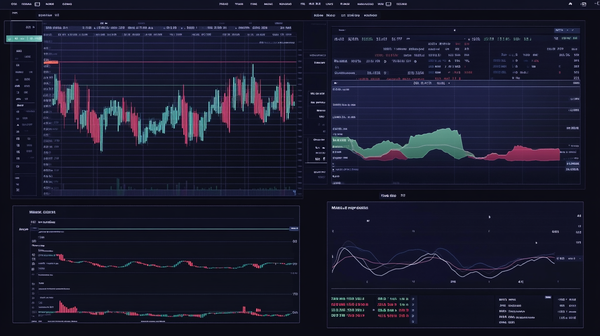
WebTrader is the main workstation here, and it behaved reliably in my sessions: stable login, clean watchlists, and the usual risk controls (market/limit/stop, plus straightforward position management). Execution felt consistent when I tested a small EUR/USD order around the London open; I saw minor slippage once, but no looping requote screens. If you’re married to the MT4/MT5 indicator ecosystem, don’t assume it’s here—this platform is more “enough to trade” than “infinite add-ons.”
Tera Yatırım App: Mobile Trading Experience
The Tera Yatırım app covered the essentials: live quotes, order placement, and position edits, with biometrics available on my device for faster Tera Yatırım login. Push notifications for fills were useful, and the layout made one-tap close accessible without burying it in menus. Funding and withdrawals were reachable from mobile, which is convenient—but also a reminder to lock your phone like it’s a hardware wallet, not a toy.
Charting, Tools & Research
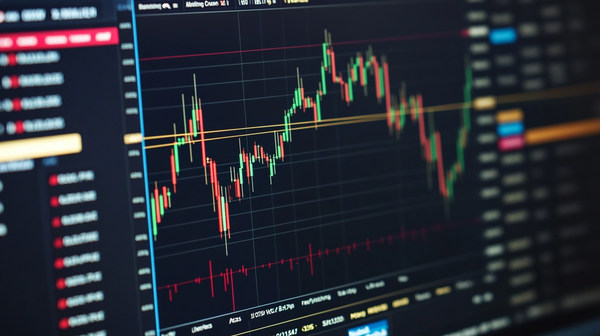
Charting includes the standard indicator shelf (MA, RSI, MACD, Bollinger) plus drawing tools for levels and trendlines. An economic calendar and a basic news stream helped with context, but the research ceiling is real—don’t expect institutional-grade analytics. I treated it as a execution-and-monitoring layer, not a full strategy lab.
Tera Yatırım Account Opening & Minimum Deposit
First impression: the signup flow asked for the usual identity fields, trading experience prompts, and a quick jurisdiction check before it let me reach the dashboard. KYC required a government photo ID plus proof of address (I used a utility bill dated within 3 months), and my verification cleared later the same business day. That’s fast enough for most traders, and it also signals the provider isn’t trying to dodge AML responsibilities.
- Minimum Deposit: $200 (this is the Tera Yatırım minimum deposit I was shown at funding)
- Funding Methods: Visa/Mastercard, bank wire, regional e-wallets, and cryptocurrencies (BTC and USDT were offered in my cashier)
- Demo Account: $10,000 virtual balance for testing spreads, order behavior, and margin rules before risking cash
- Account Types: Standard (spread-only) and Pro/Raw (tighter spreads with a $7 round-turn/lot commission)
I funded my test via USDT to avoid card rails and got the credit reflected quickly after confirmations; the platform then pushed a gentle reminder to complete KYC before withdrawals. If you hate banks like I do, you’ll appreciate crypto funding—just remember it’s still a CFD venue, not Bitcoin custody.
Tera Yatırım Customer Support Review
I used live chat to ask a specific question: how swap/overnight fees are applied on index CFDs when positions are held through rollover. A human reply landed in about 3 minutes with a clear explanation and where to find the swap rates inside the trading screen. I also sent an email ticket about withdrawal processing windows; the answer arrived roughly 9 hours later (same business day), consistent and not evasive.
Support ran on a 24/5 rhythm, which is typical for CFD brokers, and coverage felt oriented around active market hours rather than weekends. Language options depend on staffing; English was fine in my test, while phone support looked region-specific rather than universal. If you’re the kind of trader who needs a relationship manager, this service is more “help desk” than “concierge.”
Ready to Explore Tera Yatırım?
If you’re curious, start with a demo and watch how spreads behave during liquid hours versus rollover. Then verify your country eligibility and fee schedule before funding. The platform can be checked quickly without committing big size—discipline first, leverage second.
Tera Yatırım Review FAQ
Is Tera Yatırım good for beginners?
It can be, but only if you treat leverage with respect. The WebTrader is simple enough to learn, and the $10,000 demo helps you practice without immediate financial damage. New traders should keep position sizes small because CFDs can move against you fast.
Can I trade crypto on Tera Yatırım?
Yes, you can trade crypto CFDs like BTC/USD and ETH/USD. These are derivative contracts, so you’re trading price exposure rather than receiving real coins. Weekend financing and wider spreads are common, so check costs before holding.
Is Tera Yatırım a scam?
No, my test didn’t match the pattern of a classic Tera Yatırım scam narrative: the platform executed trades, enforced KYC, and processed a withdrawal request after verification. The bigger issue is that it operates under an offshore-style framework, so protections and complaint pathways may be thinner than in Tier-1 jurisdictions. Use prudent sizing and withdraw profits regularly if you choose to trade.
Is Tera Yatırım available in the USA?
No, Tera Yatırım is not offered to US residents. The broker blocks the USA as a restricted jurisdiction, and you’ll typically be stopped by residency/KYC checks. If you’re in the US, you’ll need a locally authorized provider.
How long does a Tera Yatırım withdrawal take?
Most withdrawals are processed internally within 24–48 hours after KYC is complete. Receipt time then depends on the rail: cards often take 2–5 business days, wires can run 3–7, and crypto is often same-day. In my case, the status updated after verification without stalling.
What is the Tera Yatırım minimum deposit?
The Tera Yatırım minimum deposit is $200. That threshold is enough to test live execution and fee behavior without going all-in. If you plan to trade actively, you’ll still want extra buffer to avoid margin stress.
Does Tera Yatırım have a mobile app?
Yes, there are iOS and Android apps alongside the WebTrader. The mobile experience supports trading, account management, and funding features. For security, enable biometrics and avoid trading on unsecured public Wi‑Fi.
Final Verdict: Should You Use Tera Yatırım in 2026?
Overall Score: 4.0/5
Here’s the clean take: Tera Yatırım delivers a functional multi-asset CFD experience with a usable WebTrader, fair FX pricing on the right account tier, and withdrawals that didn’t turn into a hostage negotiation in my test. The compromise is jurisdictional—offshore-style registration means you must self-manage risk, documentation, and expectations. If you trade, keep leverage on a short leash; 1:500 is a weapon, not a feature. For traders who understand that, Tera Yatırım can fit as a tactical venue, not a forever home.
Best for: Active CFD traders who want flexible leverage and a broad instrument list. Avoid if: You require Tier-1 regulation, investor compensation schemes, or you’re prone to overtrading on margin.