Trade Sired Review 2026: Is It Safe & Worth Your Money?
Trade Sired Review 2026: Pros, Cons, and Features Tested
| Min Deposit | $200 |
| Max Leverage | 1:500 |
| Assets | Forex, Crypto CFDs, Indices, Commodities, Share CFDs |
| Platforms | WebTrader + iOS/Android mobile apps |
Think of Trade Sired as an offshore-style CFD venue built for traders who want leverage, quick market access, and a clean WebTrader—at the cost of lighter investor protections than top-tier jurisdictions. In my 2026 pass through the onboarding and first trades, the account ladder boiled down to a spread-only Standard tier and a tighter Raw/ECN-style tier aimed at higher frequency. Markets are broad enough for macro (indices, gold, FX) and for the inevitable “number-go-up” crowd (crypto CFDs), but you’re still in the CFD world—no real bitcoin, no self-custody. The mobile app is functional for monitoring and orders; research is serviceable, not a Bloomberg terminal. I treated the provider like any counterparty risk and tested deposits, execution, and Trade Sired withdrawal behavior before trusting size.
Pros
- Two pricing tracks (Standard and Raw/ECN) that let you choose spread-only vs. spread+commission
- Multi-asset CFD lineup covers FX, indices, metals, oil, and major crypto pairs
- WebTrader and mobile apps are coherent and fast enough for active management
Cons
- Operates under an offshore framework, so dispute escalation and compensation schemes are thinner
- MT4/MT5 integration wasn’t something I could verify in my account area
- Dormant accounts can face an inactivity charge after a period of no trading
Is Trade Sired Legit and Safe?
Trade Sired looked operational rather than a “vanish-with-your-deposit” setup in my test: KYC was enforced, orders executed, and a small withdrawal completed. Still, it’s an offshore-registration model, so “safe” depends heavily on your risk tolerance and position sizing.
Regulatory posture matters more than glossy badges, so I started by checking what the dashboard and footer actually claimed: the broker presented itself as registered via the Seychelles FSA route, which typically allows higher leverage and faster product rollout than Tier-1 licensing. The trade-off is simple—fewer formal backstops (no robust statutory compensation scheme in the way UK/EU traders might expect), and if you have a dispute, the path is usually slower and more paperwork-heavy. On the red-flag side, I didn’t get aggressive “deposit now” calls after sign-up, and I didn’t see fake trophy-case awards plastered over the client portal; that’s a small positive. Safeguard-wise, the platform pushed AML/KYC early (ID + address proof), and the legal pages used segregated client funds language, though offshore segregation is a promise you still must verify with behavior. Remember: CFDs are leveraged products; margin calls happen fast, and most retail accounts lose money.
Supported Countries & Restricted Regions
This service is broadly open to many international clients across parts of Asia, MENA, and LATAM, while the USA and sanctioned locations are blocked. Availability is eligibility-driven, so your residency and documents decide the outcome.
| Region | Status | Leverage Cap |
|---|---|---|
| Japan | Restricted | Not offered |
| Southeast Asia (selected countries) | Accepted | Up to 1:500 |
| MENA (selected countries) | Accepted | Up to 1:500 |
| Latin America (selected countries) | Accepted | Up to 1:500 |
| USA | Restricted | Not offered |
| Sanctioned jurisdictions | Restricted | Not offered |
In my sign-up flow, eligibility checks weren’t just a checkbox: the provider tied access to KYC documents and address verification, and IP/location signals can trigger extra review. Policies also move—so treat today’s “Accepted” as provisional and re-check before funding.
Tradable Assets and Markets
The product shelf here is multi-asset CFD first, with FX and indices doing the heavy lifting and crypto CFDs added for volatility hunters. If you trade macro themes, you can build a reasonable toolkit without juggling multiple brokers.
- Indices: Major benchmarks like US500 and NAS100 were available for directional trades and hedges around US session volatility.
- Forex: A solid list of majors and minors (EUR/USD, GBP/USD, USD/JPY) plus a smaller set of higher-spread exotics.
- Commodities: XAU/USD for gold, plus energy contracts such as WTI/Brent that react sharply to inventory headlines.
- Crypto CFDs: BTC/USD and ETH/USD were front-and-center, with financing effects more noticeable over weekends.
- Share CFDs: A curated batch of large-cap names—useful for event trading, not for building a long-term portfolio.
All of this is CFD exposure: you’re trading price movement with leverage, not acquiring the underlying asset. That means no shareholder voting, and for crypto, no on-chain withdrawals—just a contract with the broker.
Trade Sired Trading Fees and Spreads
Trade Sired runs a familiar two-lane model: Standard accounts pay via the spread, while Raw/ECN-style pricing squeezes spreads and adds a per-lot commission. On balance, the headline costs landed in the middle of the offshore CFD pack, with Raw/ECN looking meaningfully sharper for active FX.
| Asset | Spread/Fee | Market Average Comparison |
|---|---|---|
| EUR/USD (Standard) | From 1.4 pips | Around average |
| EUR/USD (Raw/ECN) | From 0.2 pips + $7 round-turn/lot | Better for high-turnover |
| Bitcoin (BTC/USD) | From $35 | Near average |
| Gold (XAU/USD) | From $0.25 | Competitive |
| US500 Index | From 0.9 points | Competitive |
Non-spread costs that matter: Overnight swap/financing will be the silent drain if you hold leveraged CFDs for days, and crypto positions can feel extra expensive across weekend financing. I also noted an inactivity fee of $10 per month after 90 days without trading, which turns “I’ll come back later” into a slow leak. Withdrawals may be fee-free on the broker’s side, but your payment rail (card issuer, bank wire, or crypto network) and FX conversion can still take a bite—price that in, not just the spread.
Trade Sired Trading Platforms and Tools
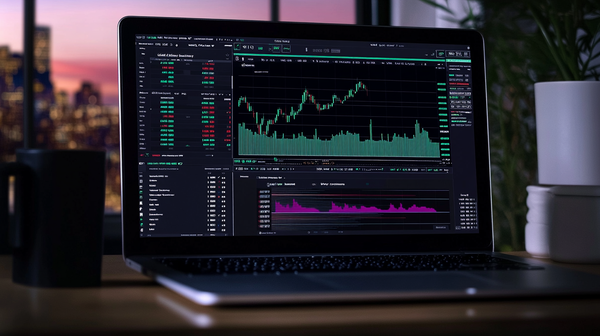
From a Tokyo desk, I ran the WebTrader during the Asia session and again into the London handover to see if stability cracked under volume—login stayed consistent, and quotes updated smoothly. Order tickets supported market, limit, and stop orders with clear margin impact shown before confirmation; execution felt “CFD normal,” meaning occasional slippage when liquidity thinned, but no constant requote loops. If you live in the MT4/MT5 plugin universe (EAs, copy networks, custom indicators), this platform is more self-contained; I couldn’t confirm MT4/MT5 access in my portal, so plan on the native stack.
Trade Sired App: Mobile Trading Experience
The Trade Sired app handled the basics without drama: watchlists, one-tap position management, and deposits/withdrawals from the same menu tree. Trade Sired login on mobile supported biometric unlock on my device, which matters when you’re trying to flatten risk quickly. Push notifications for fills and margin level changes were reliable; my only gripe was that deeper chart customization took extra taps compared with desktop.
Charting, Tools & Research
Charting covers the essentials—multiple timeframes, common indicators (MA, RSI, MACD, Bollinger), and drawing tools that are adequate for levels and trendlines. Research is light but usable: an economic calendar, a news feed, and price alerts helped me avoid walking blind into scheduled volatility. Heavy quant traders will still miss the depth of MT5/cTrader ecosystems, but for discretionary CFD trading the toolset is serviceable.
Trade Sired Account Opening & Minimum Deposit
First impression: the sign-up screens asked for the standard identity bundle, then immediately nudged me toward verification before I could do anything meaningful with withdrawals. KYC required a government-issued photo ID plus proof of address dated within the last three months; my verification cleared the same business day after an automated check and a brief manual review. That’s normal AML friction—annoying, but preferable to a broker that “doesn’t care” who you are.
- Minimum Deposit: $200 (Trade Sired minimum deposit in my account portal)
- Funding Methods: Visa/Mastercard, bank wire, regional e-wallets, and crypto deposits (BTC and USDT were visible in my cashier)
- Demo Account: $10,000 virtual balance for testing spreads, margin behavior, and platform flow
- Account Types: Standard (spread-only) and Raw/ECN-style (tighter spreads + commission)
One practical note: base currency choices were limited, so multi-currency traders should watch conversion costs at the funding stage. I deposited via USDT to avoid card surprises, then ran a small test withdrawal to confirm the rails; if you want to explore the UI first, start with demo and only scale after you’ve seen the cashier behave predictably.
Trade Sired Customer Support Review
I used live chat with a very specific trader question—how swap/overnight fees are displayed per symbol and whether weekend financing applies to crypto CFDs. A human reply landed in roughly 3 minutes, and the agent pointed me to the symbol-spec sheet plus explained the triple-swap day logic in plain terms. For a paper trail, I followed up by email asking about withdrawal processing once KYC is done; the ticket response came back in about 9 hours with a method-by-method estimate.
Coverage matched the usual offshore cadence: 24/5 availability for chat and email, with thinner staffing as Friday rolls into weekend. Language options depend on who’s on shift; English was consistent, while Japanese support wasn’t something I could rely on. Phone support may exist in certain regions, but I wouldn’t treat it as a guaranteed channel—plan around chat/email.
Ready to Explore Trade Sired?
If you’re considering this broker, open a demo first, then verify your region and withdrawal method before committing serious capital. The fastest way to judge a CFD venue is to test platform stability, spreads at active hours, and the cashier workflow with a small amount.
Trade Sired Review FAQ
Is Trade Sired good for beginners?
It can be, but only if you respect leverage and start small. The WebTrader UI is simple enough and the demo helps, yet CFDs move fast and margin calls are unforgiving. Beginners should avoid 1:500 behavior even if it’s offered.
Can I trade crypto on Trade Sired?
Yes, but it’s crypto CFDs rather than real coins. BTC/USD and ETH/USD were available in my account, and you can go long or short with leverage. You won’t get on-chain withdrawals because you’re trading a contract, not holding bitcoin.
Is Trade Sired a scam?
No—based on my 2026 test it behaved like a functioning CFD broker, including KYC checks and a processed withdrawal. The caveat is jurisdiction: it’s an offshore model (Seychelles FSA route), so protections are not the same as FCA/ASIC-style frameworks. Treat it as counterparty risk and size accordingly.
Is Trade Sired available in the USA?
No, USA residents were blocked in my checks. The platform applies region controls and will typically enforce restrictions through KYC and residency verification. If you’re US-based, you’ll need a domestic-regulated alternative.
How long does a Trade Sired withdrawal take?
Most withdrawals are processed internally within 24–48 hours after KYC is satisfied. After that, delivery depends on the rail: cards commonly take 2–5 business days, bank wires 3–7, and crypto can arrive the same day. I received a small USDT payout a few hours after approval.
What is the Trade Sired minimum deposit?
The Trade Sired minimum deposit is $200 for the live account I opened. You can still use the demo first with virtual funds if you want to test spreads and platform behavior. Funding methods can affect your effective minimum because of network or bank fees.
Does Trade Sired have a mobile app?
Yes, there are iOS and Android apps alongside the WebTrader. In my use, the app supported watchlists, order placement, and account management including deposits and withdrawals. Biometric login was available on my device, which helps with quick access during volatility.
Final Verdict: Should You Use Trade Sired in 2026?
Overall Score: 4.0/5
Offshore CFD trading is always a question of counterparty discipline, and Trade Sired earned a cautious nod by doing the basics right: KYC wasn’t optional, execution stayed stable across active hours, and my small crypto withdrawal closed without games. Pricing is reasonable if you pick the right tier, with Raw/ECN making more sense for frequent FX. The downside is structural—offshore registration means fewer formal protections, plus fees like a $10/month inactivity charge can sting if you disappear. If you proceed, treat Trade Sired like a tool, not a bank, and remember CFDs are leveraged; capital is at risk.
Best for: active CFD traders who want WebTrader simplicity, 1:500 leverage access, and a Raw/ECN option. Avoid if: you need Tier-1 regulation, you’re USA-based, or you want real bitcoin ownership and self-custody.