Trocavaleza Trading Platform Alternatives 2026 Guide
Trocavaleza Trading Platform Alternatives 2026: Reliable Options for Online Traders
Leverage is a seductive drug. Offshore CFD shops know it, and they package it with a shiny WebTrader, a “fast onboarding” funnel, and just enough crypto branding to look modern. That’s the backdrop for Trocavaleza, which (based on what’s commonly observable for this category of provider) appears positioned as an offshore-style Forex/CFD venue: a proprietary browser platform, mobile apps, and product menus centered on FX pairs, indices, commodities, and crypto CFDs. If that’s your world, you’re not alone—but the moment you care about clean execution, predictable withdrawals, or investor protections, the search for Trocavaleza alternatives becomes less about “features” and more about survival.
I’m a Bitcoin orthodox from Tokyo. I don’t romanticize banks or fiat rails—still, I respect the hard reality that regulated brokers are audited, supervised, and forced to separate client funds from operating cash. In 2026, traders in the US/EU also face tighter KYC/AML checks, stricter leverage limits in many jurisdictions, and more scrutiny on marketing claims. That changes the calculus. The best substitutes for Trocavaleza are typically not the loudest brands; they’re the ones that disclose execution model, publish legal entities, and make it easy to verify their regulator status. This guide lays out safer, regulated options vs Trocavaleza, explains what to compare (spreads, commissions, swaps, slippage, and platform stack), and gives a practical migration path that doesn’t leave your capital stuck mid-transfer.
Disclaimer: This article is for informational purposes only and does not constitute investment advice. CFDs and other leveraged products can move against you quickly and may result in losses exceeding your initial margin.
Key Takeaways (TL;DR)
- If you need real stocks/ETFs (not stock CFDs), a multi-asset broker like IBKR or Saxo is structurally different from CFD-first platforms like Trocavaleza.
- Compare “round-turn” trading cost (spread + commission + typical slippage), not headline leverage—1:500 can amplify mistakes faster than it boosts returns.
- Before you withdraw, complete KYC at the new broker first; otherwise you risk being sidelined with funds in transit while verification drags on.
- EU/UK investor protection schemes (FSCS up to £85k, ICF up to €20k) can matter more than a tighter spread when a platform fails.
What Is Trocavaleza and How Does Its Trading Platform Work?
From a trader’s-eye view, Trocavaleza looks like an offshore-oriented CFD broker offering leveraged exposure rather than “ownership” of underlying assets. The product focus typically starts with 30–50 forex pairs, then layers on index CFDs, a small menu of commodities, and a rotating list of crypto CFDs. Accounts in this segment often cater to newer traders who want quick setup, higher leverage, and a single WebTrader login that works on desktop and mobile. The trade-off is structural: you’re usually dealing with a market-maker style execution environment, where pricing, fills, and withdrawal handling can feel less standardized than at competitors to Trocavaleza that sit under FCA/ASIC/CySEC/NFA oversight.
Trocavaleza Web Trading Platform: Core Features and Tools
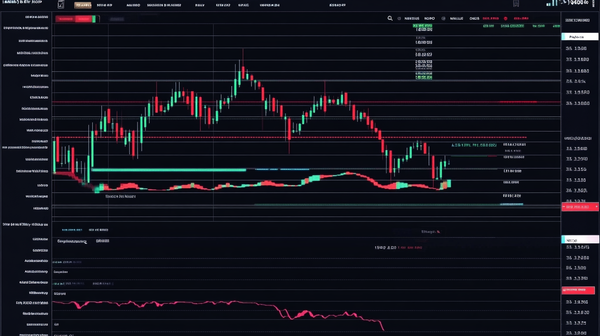
The platform stack is typically a proprietary WebTrader with a companion iOS/Android app. Charting is usually serviceable—multiple timeframes, common indicators, and basic drawing tools—but it rarely matches the depth of MT4/MT5 or cTrader for automation, custom scripts, and granular order management. Expect standard order types (market, limit, stop) and an account dashboard that emphasizes deposits, margin level, and open positions. Execution “feels” acceptable in calm markets, yet during news spikes slippage and requotes can show up, especially when liquidity thins. Mobile parity is often decent for monitoring and simple entries, but serious strategy testing and workflow speed tend to favor the larger platforms like Trocavaleza competitors in regulated groups.
Trading Fees, Spreads, and Account Types at Trocavaleza
Cost disclosures for offshore-style brokers can be uneven, so it helps to benchmark what’s common in the segment. A typical Standard-style account often shows EUR/USD around 2.0 pips in normal conditions. Some providers also advertise a Raw/ECN-like tier (if offered) with spreads that can compress toward 0.0–0.4 pips, paired with a commission in the ballpark of $6–$8 per round turn. Add the quiet costs: swap/overnight financing on CFD positions, potential withdrawal charges depending on method, and the occasional inactivity fee if the account sits idle. Minimum deposits in this bracket frequently land near $250, and maximum leverage can run as high as 1:500—a number that should set off your internal risk alarm, not your dopamine.
When Do Traders Start Looking for Trocavaleza Alternatives?
The first crack usually appears when a platform works fine on a small account—and then reality hits at size. A wider spread plus unpredictable slippage becomes visible in your P&L, and withdrawal friction suddenly matters more than the color of the interface. For many traders, Trocavaleza alternatives become a necessity once the goal shifts from “try trading” to “trade as a repeatable business.” Regional restrictions are another catalyst: US residents are commonly blocked, and sanctioned jurisdictions are off-limits almost everywhere for compliance reasons.
- You want MT4/MT5 or cTrader for automation, EAs, or more advanced order control than a basic WebTrader typically allows.
- Your strategy is sensitive to execution (news, scalping, tight stops) and you notice slippage patterns that don’t match your expected market impact.
- You need a broker where regulator status is verifiable on a public register and client funds are held in segregated accounts.
- Withdrawals start taking longer than the funding method would reasonably require, or support responses become inconsistent when you request a full cash-out.
How to Choose a Reliable Alternative to the Trocavaleza Trading Platform
Think of this selection process like threat modeling in cryptography: define what can go wrong, then choose the setup that reduces that attack surface. The “best” broker is the one that matches your instruments, your jurisdiction, and your execution needs—while keeping counterparty risk contained. Below is a practical framework for evaluating alternatives to the Trocavaleza trading platform without getting hypnotized by leverage banners.
Regulation, Safety, and Investor Protection
Start with the regulator and the legal entity you will contract with: FCA (UK), ASIC (Australia), CySEC (Cyprus/EU), and NFA/CFTC (US) each impose different conduct rules. In the UK, eligible clients may fall under FSCS protection up to £85,000; in Cyprus, the ICF framework can cover up to €20,000 (eligibility and conditions apply). Look for segregated client funds language in legal docs—and then verify it’s backed by oversight, not vibes.
Available Markets and Instruments
Match the broker to what you actually trade. If your plan is FX and index CFDs, a specialist can be fine. If you want real stocks/ETFs, options, or futures, you need a true multi-asset venue with exchange access and a custody model—very different from a CFD wrapper. Crypto is its own fork in the road: CFD exposure is not on-chain ownership, and it does not give you withdrawal to a wallet. Platforms like Trocavaleza usually emphasize CFDs; decide whether that’s acceptable for your risk and ideology.
Trading Costs: Spreads, Commissions, and Other Fees
Stop comparing marketing spreads in isolation. The correct lens is round-turn cost: spread + commission + the slippage you typically experience, across your monthly trade volume. A 0.2 pip difference sounds small until you trade 200 lots a month—then it’s rent money. Add swaps/overnight fees (especially on indices and crypto CFDs), and check for inactivity and withdrawal fees so you don’t get bled by “administrative” line items.
Platforms, Tools, and Execution Quality
Platform choice is strategy choice. MT4/MT5 and cTrader enable automation, deeper order tickets, and established tooling; proprietary platforms can be clean but limiting. Execution model matters: market maker vs STP/ECN/DMA affects how your orders are handled, and it shapes slippage behavior around volatile events. If you’re migrating from Trocavaleza, don’t assume two brokers will fill the same way even when the chart looks identical.
Support, Education, and Overall User Experience
Good support is boring—until it’s urgent. Check service hours relative to your timezone, language coverage, and whether you can reach a human during high-impact events. Education is secondary for pros, but transparent product disclosures, clear margin-call rules, and mobile parity are not “nice-to-haves.” A regulated broker with mediocre charts can still be safer than a slick interface with weak accountability.
Trocavaleza and Different Asset Classes: When Alternatives May Be Better
Trocavaleza Forex and CFD Trading
Forex and CFDs are where Trocavaleza is likely to concentrate: roughly 30–50 FX pairs, plus a modest list of indices and commodities, offered with leverage that can reach 1:500. That headline leverage is not a feature for most retail traders; it’s a faster route to a margin call if volatility spikes. Regulated brokers frequently cap leverage lower in the EU/UK, but they compensate with stronger execution transparency and clearer negative balance protection rules. If your priority is tighter pricing and platform choice, Pepperstone and IC Markets are often considered by active FX traders because they support MT4/MT5 and cTrader and tend to publish account-type structures (Standard vs Raw) with clearer commission logic. For CFD breadth with strong oversight, IG is a common reference point in the UK/EU world, particularly for index CFDs and risk tools.
Trocavaleza Stock and ETF Trading
Stock and ETF exposure on offshore CFD platforms is frequently packaged as “shares” but delivered as stock CFDs, which means no shareholder rights, no voting, and no transferability—just a derivative contract with the broker as counterparty. If you need real equities (or you care about long-horizon investing rather than short-term CFD speculation), this is where many Trocavaleza alternatives fundamentally change the game. Interactive Brokers (IBKR) offers broad access to global exchanges with real stocks/ETFs, plus options and futures for experienced traders; it’s a different toolset entirely. Saxo Bank also operates as a multi-asset venue with direct market access in many products, designed for traders who want one account across FX, equities, and listed derivatives. Even if you still trade CFDs, having the choice between “real” and “synthetic” instruments is a form of risk control.
Trocavaleza Crypto Trading
Crypto on many CFD-first brokers is typically “price exposure only”: you trade BTC/ETH and a handful of other coins as CFDs, with spreads and overnight financing baked in, and you cannot withdraw coins to a wallet. That matters. A Bitcoin position you can’t move is not Bitcoin—it’s counterparty risk wearing an orange mask. Regulated brokers that offer crypto CFDs (availability varies by region) can provide clearer disclosures and, in some jurisdictions, tighter rules around marketing and risk warnings. Plus500 is known as a simpler CFD interface that, depending on entity and region, may include crypto CFDs alongside indices and FX. For traders who mainly want BTC correlation within a broader portfolio, IG can be attractive in regions where its crypto CFD offering is permitted, because you’re pairing that exposure with a long-standing risk framework and mature platform tooling.
Best Trocavaleza Alternatives for 2026: Comparison of Top Trading Platforms
Interactive Brokers (IBKR): Key Facts and How It Compares to Trocavaleza
Regulation: SEC/FINRA (US), FCA (UK), IIROC (Canada) via local entities
Markets: Stocks, ETFs, options, futures, bonds, FX
Fees: FX pricing and commissions vary by venue and size; equity pricing is typically commission-based with tiered schedules
Platform: Trader Workstation (TWS), IBKR Desktop, mobile apps, APIs
Best For: Real multi-asset traders who want exchange access
Pepperstone: Key Facts and How It Compares to Trocavaleza
Regulation: FCA (UK), ASIC (Australia), CySEC (Cyprus), DFSA (Dubai)
Markets: FX, CFDs (indices, commodities, some crypto CFDs where permitted)
Fees: Standard spreads often around ~1.0+ pip on EUR/USD; Raw accounts can be ~0.0–0.3 pips plus commission (varies by entity)
Platform: MT4, MT5, cTrader, TradingView integration (availability varies)
Best For: Systematic FX traders focused on platforms and execution
Saxo Bank: Key Facts and How It Compares to Trocavaleza
Regulation: FCA (UK), MAS (Singapore), DFSA (Dubai) via local entities
Markets: Stocks, ETFs, bonds, FX, options, futures, CFDs
Fees: Pricing depends on product and tier; FX spreads can be competitive on higher tiers, with commissions on many exchange-traded products
Platform: SaxoTraderGO, SaxoTraderPRO
Best For: Portfolio-style trading across listed and OTC markets
IG: Key Facts and How It Compares to Trocavaleza
Regulation: FCA (UK), ASIC (Australia), MAS (Singapore)
Markets: CFDs (indices, FX, commodities, shares), spread betting (UK/IE where applicable)
Fees: CFD costs are typically spread-based; financing/swap applies on leveraged overnight positions
Platform: IG proprietary platform, mobile apps; MT4 available in some regions
Best For: Risk-managed index CFD traders needing strong oversight
IC Markets: Key Facts and How It Compares to Trocavaleza
Regulation: ASIC (Australia), CySEC (Cyprus); group-level also operates under FSA Seychelles (offshore entity)
Markets: FX, CFDs (indices, commodities, some crypto CFDs where permitted)
Fees: Raw-style pricing can be ~0.0–0.3 pips on EUR/USD plus commission; Standard accounts typically wider spread with no added commission
Platform: MT4, MT5, cTrader
Best For: High-frequency FX traders comparing raw spreads
Plus500: Key Facts and How It Compares to Trocavaleza
Regulation: FCA (UK), CySEC (Cyprus), ASIC (Australia), MAS (Singapore)
Markets: CFDs (indices, FX, commodities, shares, crypto CFDs where permitted)
Fees: Primarily spread-based pricing; overnight funding is a key cost for multi-day holds
Platform: Plus500 proprietary WebTrader and mobile apps
Best For: Beginners who want a simple CFD interface
Comparison Summary
| Platform | Regulation | Main Markets | Typical Costs | Best For |
|---|---|---|---|---|
| Interactive Brokers (IBKR) | SEC/FINRA, FCA, IIROC (by entity) | Real stocks/ETFs, options, futures, FX, bonds | Tiered commissions; FX pricing varies by size/venue | Real multi-asset traders who want exchange access |
| Pepperstone | FCA, ASIC, CySEC, DFSA (by entity) | FX + CFD suite | ~1.0+ pip Standard; ~0.0–0.3 pip Raw + commission | Systematic FX traders focused on platforms and execution |
| Saxo Bank | FCA, MAS, DFSA (by entity) | Stocks/ETFs + FX + listed derivatives + CFDs | Product/tier-dependent; commissions on many listed assets | Portfolio-style trading across listed and OTC markets |
| IG | FCA, ASIC, MAS (by entity) | CFDs; spread betting in UK/IE where applicable | Spread-based; financing/swap on overnight leverage | Risk-managed index CFD traders needing strong oversight |
| IC Markets | ASIC, CySEC; group-level also FSA Seychelles | FX + CFDs | ~0.0–0.3 pip Raw + commission; wider Standard | High-frequency FX traders comparing raw spreads |
| Plus500 | FCA, CySEC, ASIC, MAS (by entity) | CFDs across multiple asset classes | Mostly spread-based; overnight funding is material | Beginners who want a simple CFD interface |
How to Safely Move from Trocavaleza to Another Broker
Switching brokers is not a cosmetic change; it’s counterparty risk management with paperwork attached. Treat the move like a controlled unwind: reduce open exposure, secure records, and only then shift capital. Rushing invites mistakes—especially with leveraged CFDs, where one bad fill during a transfer week can erase months of discipline.
- Confirm the new broker’s legal entity and license on the regulator’s public database (FCA Register, ASIC Connect, CySEC registry, or NFA BASIC), not on a landing page.
- Open the new account and complete KYC/AML first (ID + proof of address). Many reputable firms clear verification quickly, but weekends and mismatched documents can delay funding.
- Flatten risk at the old broker: close open positions and cancel pending orders rather than assuming positions can be “moved” across platforms.
- Withdraw from Trocavaleza using the same rails you deposited with when possible; compliance teams often require source-of-funds consistency.
- Export statements, trade history, and funding records before you stop using the account—this is useful for tax reporting and dispute resolution.
Ready to Explore Trocavaleza?
If you’re still evaluating, look at the current onboarding flow, withdrawal methods, and the exact product list available in your country. Then compare it—line by line—against the regulated options above before committing real size to any leveraged CFD account.
FAQ: Trocavaleza Alternatives and Trading Platforms
What is the best alternative to Trocavaleza in 2026?
The best alternative depends on whether you want real exchange-traded assets or just CFDs. For real stocks/ETFs plus options and futures, Interactive Brokers (IBKR) is often the cleanest structural upgrade; for FX-focused trading with MT4/MT5/cTrader, Pepperstone or IC Markets are common shortlists. If your priority is a tightly supervised CFD environment in the UK/EU, IG is a frequent pick among the best Trocavaleza alternatives 2026.
Is Trocavaleza a safe broker/platform?
Safety is hard to rate highly when a broker operates in an offshore/unregulated style framework, especially alongside very high leverage (commonly marketed up to 1:500). That doesn’t automatically mean a platform fails, but it does mean fewer enforceable protections compared with FCA/ASIC/CySEC/NFA-supervised firms (segregated funds rules, complaint channels, and compensation schemes where applicable). If you’re weighing Trocavaleza alternatives, put verification and withdrawal reliability ahead of leverage.
Can I trade stocks, futures, or crypto with Trocavaleza?
With platforms like Trocavaleza, access is typically centered on FX and CFDs; “stocks” are often provided as stock CFDs rather than real shares, and listed futures access is usually not offered in the same way as a true multi-asset broker. Crypto exposure is commonly via crypto CFDs (price tracking, no on-chain withdrawal). If you need real equities or listed derivatives, brokers similar to Trocavaleza are usually the wrong tool—IBKR or Saxo are closer fits.
What should I check before switching from Trocavaleza to another platform?
Before switching, verify the new broker’s exact regulated entity on the official register, confirm your country’s eligibility, and read the margin-call and negative balance protection terms. Next, compare round-turn costs (spread + commission + typical slippage) for your strategy and confirm the platform stack you need (MT4/MT5/cTrader vs proprietary). Finally, complete KYC at the new broker before you initiate a full withdrawal from the old account so you don’t strand funds mid-process.
About the Author: Kenji Tanaka is a Tokyo-based financial journalist and experienced trader with a background in cryptography studies (University of Tokyo, incomplete). He approaches broker reviews with a Bitcoin-orthodox bias—“21 million — and not a coin more”—and a strict focus on counterparty risk, execution quality, and verifiable regulation.