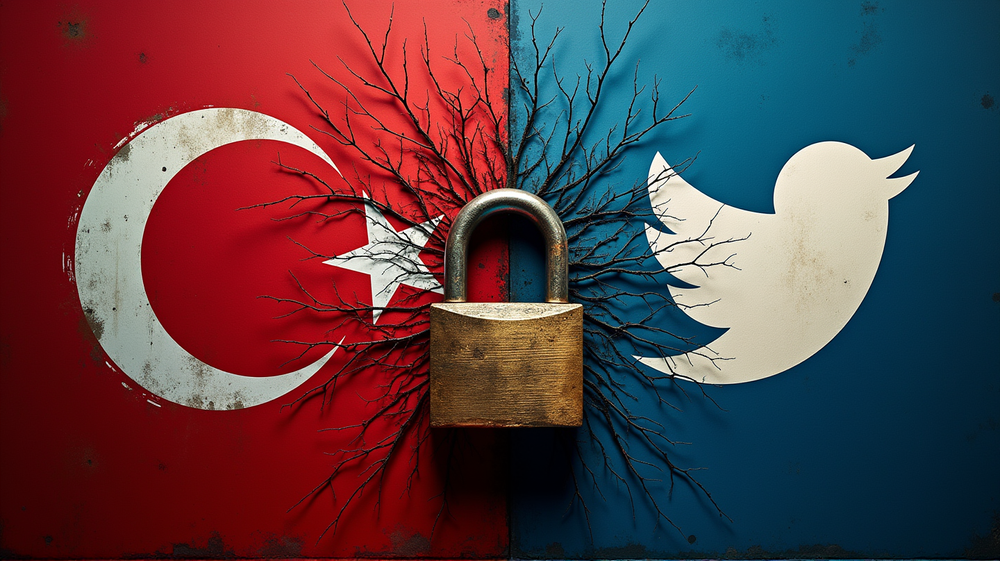
Turkey Clamps Down on Major Online Platforms amid Political Tensions
In recent days, Turkey has witnessed a stringent restriction on access to several major online platforms such as X, YouTube, Instagram, Facebook, TikTok, and WhatsApp. This significant move has sparked widespread discussions, led by Netblocks, a global internet monitoring service, which has confirmed these access blockages on multiple networks across the country. The timing of this restriction aligns uncannily with political rallies sparked by the actions of Turkey’s main opposition, the Republican People’s Party (CHP).
Opposition and Protests: The Trigger Behind the Restrictions
The heated ambiance of Turkey’s political landscape took a new turn as the Republican People’s Party (CHP) called for massive rallies in Istanbul. This political upheaval followed the heightened security measures put in place by the police, who erected barricades around the party’s headquarters, signaling rising tensions.
Unanswered Queries on the Access Blockade
The questions surrounding this digital blockade keep growing, particularly in the absence of comments from the Turkey’s Access Providers Union – the body responsible for executing internet blocking decisions. As mentioned by Netblocks, these restrictions began at 2045 GMT on a Sunday, marking a disruption primarily focused on curbing information flow amid political tensions.
Internet Censorship: A History of Recurrence
This isn’t the first time internet access has been restricted in Turkey. According to the Freedom of Expression Association, known for monitoring local censorship habits, this kind of access disruption forms part of a pattern linked to political events. The current operational dynamics continue to fuel debates over freedom of expression and access within the nation.
Global Implications and Concerns
As Turkey moves to throttle bandwidth for these platforms, international questions arise concerning the broader implications for global internet freedoms. According to Reuters, analysts await Turkey’s next move, amid fears these actions may set a precedent for future manipulations of digital spaces in times of political turbulence.
This development casts a spotlight on the ongoing challenges to internet accessibility and freedom of expression within Turkey, raising a crucial question for governments worldwide - how will the balance between security and freedom be navigated in the digital age?