Unraveling WhatsApp's Global Limitations: From China’s Great Firewall to Russia's Latest Ban
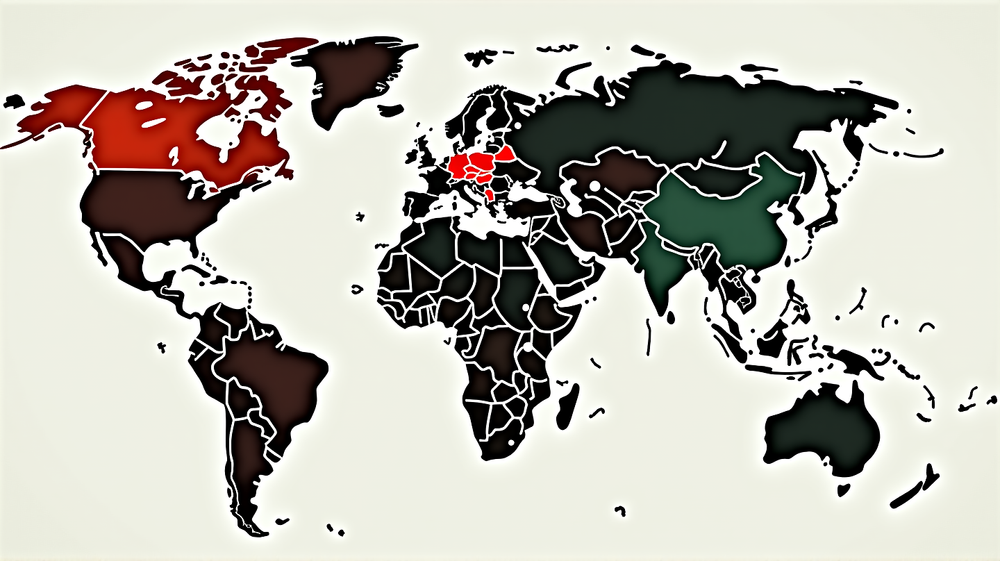
WhatsApp’s role as a leading communication tool is currently under scrutiny worldwide, as countries like Russia recently decided to clamp down on its services. The ban, enacted on August 13, 2025, highlights a growing global trend where governments assert control over data traffic and information flow, citing security and regulatory reasons.
Russia’s Latest Move
Russia’s decision to limit WhatsApp is the latest in its ongoing battle with international tech giants over content regulation and data sovereignty. According to VOI.ID, the Russian administration cited security concerns as the primary justification, emphasizing WhatsApp’s failure to adequately address issues related to fraud and terrorism.
The Great Firewall of China
China set a precedent for such restrictions with its comprehensive ban on WhatsApp in 2017. The Great Firewall, the country’s formidable internet censorship tool, now guides users towards local alternatives like WeChat, leaving WhatsApp out of reach for millions.
North Korea’s Closed Off Digital Sphere
North Korea joined the list of countries blocking WhatsApp in 2016, an action aligned with its closed internet ecosystem. The regime went further, banning several foreign social media and communications platforms, effectively isolating its citizens digitally from the rest of the world.
Glimpses of Hope and Flexibility
Some countries exercise more nuanced approaches. The UAE restricts Voice over IP services but permits text messaging on WhatsApp. During the Dubai Expo in 2020, these restrictions were briefly lifted, offering a temporary glimpse of digital freedom.
Similarly, governments in Turkey and Iran have demonstrated flexibility. Turkey, a country known for its episodic blocks of WhatsApp, recently refrained from imposing restrictions. Iran has eased its rigorous internet policies, allowing WhatsApp access to resume after a temporary block.
Temporary Bans and Local Limitations
Other nations, such as Egypt and Qatar, implement partial restrictions by disrupting WhatsApp call features, opting instead to slow connectivity or limit services. Notably, temporary bans, such as those seen in Uganda and Cuba, sometimes serve as political countermeasures or reactions to geopolitical events.
A Contested Ground Even in the USA
WhatsApp restrictions aren’t exclusive to authoritarian regimes; emerging trends in democratic nations reveal similar concerns. Just this year, the US House of Representatives barred WhatsApp usage on official devices, drawing attention to security guidelines and communication control within governmental structures.
Conclusion
WhatsApp’s widespread bans reflect the delicate balance between user freedom and governmental oversight. While it remains an essential communication medium, its accessibility is subject to fluctuating national policies and international political dynamics. For users, this suggests an important reminder: access to convenient messaging isn’t universally guaranteed.
The conversation around digital sovereignty and the cultural impact of global communication apps continues to evolve, illustrating the ongoing tug-of-war between technology and policy on the world stage.