Vadeliyet Trading Platform Alternatives 2026 Guide
Vadeliyet Trading Platform Alternatives 2026: Reliable Options for Online Traders
Leverage is a razor: it cuts spreads and it cuts accounts. That’s the mood I’m bringing into 2026, because the “fast money” CFD corner keeps attracting traders who want high leverage, quick onboarding, and a simple WebTrader—then discover the hard parts later: execution quality, withdrawal friction, and where the broker actually sits on the regulatory map. Based on commonly observed patterns for offshore CFD providers, Vadeliyet appears positioned as a forex-and-CFD-first venue with a proprietary browser platform and mobile app, offering a relatively low entry point (around a $250 minimum deposit) and headline leverage that can reach roughly 1:500. Typical EUR/USD pricing in this segment is often around 2.0 pips on a standard-style account, with wider costs showing up through swap/overnight fees and spreads during volatility.
If that sounds familiar, you’re not alone. The search for Vadeliyet alternatives usually starts after a trader tries to scale: tighter effective costs, clearer investor protections, better tooling (MT4/MT5/cTrader), and a more transparent execution model. In the US/EU, the question is not “which platform looks sleek,” but “which venue survives stress—regulatory, operational, and market.” This guide to Vadeliyet trading platform alternatives 2026 focuses on regulated, broadly used brokers and practical checks you can perform before moving capital.
Disclaimer: This article is for informational purposes only and does not constitute investment advice. CFDs and other leveraged products carry a high risk of loss and can move against you quickly.
Key Takeaways (TL;DR)
- In 2026, the biggest upgrade versus offshore CFD venues is usually protection: segregated client funds, clearer complaint paths, and (in some jurisdictions) compensation schemes like FSCS (up to £85,000) or ICF (up to €20,000).
- Compare “round-turn” trading cost (spread + commission) rather than headline leverage; a 0.2 pip + commission model can beat a 2.0 pip spread even with lower leverage.
- If you want real stocks/ETFs (not stock CFDs), prioritize multi-asset brokers like Interactive Brokers or Saxo Bank—CFD-first platforms often don’t provide true ownership.
What Is Vadeliyet and How Does Its Trading Platform Work?
From a trader’s-eye view, Vadeliyet looks like a CFD brokerage setup oriented around FX, indices, commodities, and (often in this category) crypto CFDs. The operating pattern is typically closer to a dealing-desk/market-maker model than true DMA, which matters because your fill quality can diverge from the underlying market during news or thin liquidity. Account access is generally designed for speed: deposit, trade, repeat. Regionally, offshore CFD brokers almost always exclude the USA and frequently restrict sanctioned jurisdictions; that’s consistent with how platforms similar to Vadeliyet tend to run.
Vadeliyet Web Trading Platform: Core Features and Tools
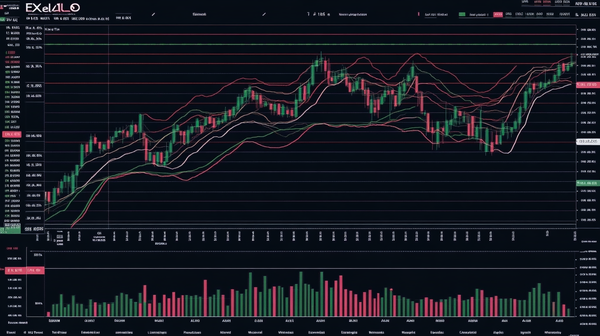
The proprietary WebTrader approach is usually about convenience: open in a browser, basic charting, and a unified watchlist across desktop and mobile. Expect standard indicators and drawing tools, but not the deeper ecosystem you get with MT4/MT5 or cTrader (custom indicators, EA workflows, and mature third-party analytics). Order tickets on these platforms commonly support market/limit/stop, with a simple account dashboard for margin level, open P&L, and transaction history. Execution can feel fine in calm sessions, yet slippage is the real test—especially around CPI prints or central bank surprises—where the platform’s routing and liquidity relationships show up.
Trading Fees, Spreads, and Account Types at Vadeliyet
Cost-wise, the offshore CFD pattern is straightforward: a Standard-style account often prices EUR/USD around ~2.0 pips, while “raw” tiers (when offered) typically advertise near-zero spreads but add a round-turn commission in the neighborhood of $6–$8 per lot. Overnight financing (swap) can dominate the P&L for position traders, and it’s frequently where traders notice the bill. Watch for non-trade charges too—withdrawal fees and inactivity fees are common in competitors to Vadeliyet, even when the marketing copy emphasizes “low spreads.”
When Do Traders Start Looking for Vadeliyet Alternatives?
The first crack usually appears when a strategy meets the real world: a wider spread during volatility, a margin call arriving faster than expected, or a withdrawal that takes longer than the trader’s risk plan allows. For many, regulation becomes the deciding factor—once you internalize that leverage magnifies execution issues as much as it magnifies returns. That’s where Vadeliyet alternatives enter the conversation: not as a “better chart,” but as a structural upgrade in oversight, transparency, and recourse.
- You need MT4/MT5 or cTrader for automation (EAs), advanced order handling, or a workflow your current WebTrader cannot support.
- Your trading journal shows costs ballooning during active sessions (news, London/NY overlap), suggesting spreads/slippage are eating your edge.
- You want jurisdictional protections (segregated client funds, formal complaint channels, compensation schemes) that offshore setups rarely match.
- Deposits are easy but withdrawals become “manual” or delayed, pushing you to reduce counterparty risk by moving to a regulated venue.
How to Choose a Reliable Alternative to the Vadeliyet Trading Platform
Treat broker selection like cryptography: assume adversarial conditions and design for failure modes. Your job isn’t to find the highest leverage banner; it’s to match your strategy to a venue with credible oversight, predictable costs, and tools that let you measure execution. Alternatives to the Vadeliyet trading platform should be filtered through safety first, then fit, then pricing.
Regulation, Safety, and Investor Protection
Start with the regulator’s own register, not screenshots. In the US you’re looking at CFTC/NFA (via NFA BASIC); in the UK, FCA; in Australia, ASIC; in the EU, often CySEC with passporting rules. These frameworks typically require segregated client funds, and some include compensation structures—FSCS in the UK (up to £85,000 in certain cases) and ICF in Cyprus (up to €20,000). None of this guarantees profit, but it can change the outcome when things break.
Available Markets and Instruments
Map “what you trade” to “what you actually want to own.” FX and index CFDs cover many short-term strategies, but long-horizon investors often need real stocks and ETFs (with corporate actions and voting rights), plus options or futures for defined-risk structures. If you mainly want liquid FX pairs and a tight execution loop, an FX specialist can be enough. If you want a one-account global portfolio, multi-asset platforms are the cleaner architecture.
Trading Costs: Spreads, Commissions, and Other Fees
Spreads are only the visible layer. Serious comparison uses round-turn cost (spread + commission) and then adds expected slippage and swap. A “0.0 pip” account with $7 round-turn commission can be cheaper than a 2.0 pip spread model—especially for scalpers running 50–200 round turns per month. Also check inactivity fees, deposit/withdrawal fees, and whether the broker applies wider pricing during rollover.
Platforms, Tools, and Execution Quality
Platform choice is a strategy choice. MT4/MT5 shines for EA ecosystems; cTrader often appeals to execution-focused traders; proprietary platforms can be fine for manual trading but may limit customization. Execution model matters: market makers internalize flow; STP/ECN/DMA setups route to liquidity providers or exchanges. That affects re-quotes, fill probability, and slippage patterns. If you’re benchmarking platforms like Vadeliyet, record fill speed and slippage around scheduled news and compare across brokers.
Support, Education, and Overall User Experience
When something breaks, response time is a trading cost. Look for support hours that match your market (NY open, London open), clear escalation paths, and documented policies on negative balance protection and margin closeout. Education content isn’t fluff if it includes platform training, margin mechanics, and risk tools. Mobile parity also matters—if you manage risk on the commute, the app needs full order control, not just a price viewer.
Vadeliyet and Different Asset Classes: When Alternatives May Be Better
Vadeliyet Forex and CFD Trading
In the offshore CFD mold, Vadeliyet likely covers the “core rack”: roughly a few dozen FX pairs, major indices, and a handful of commodities, with leverage that can reach about 1:500. The trade-off is that wide-ish typical pricing (often near ~2.0 pips on EUR/USD for standard-style accounts) and dealing-desk execution can make short-term edges fragile—slippage is a silent tax. Regulated FX/CFD specialists such as Pepperstone and OANDA tend to provide clearer execution disclosures, more mature platform stacks (MT4/MT5/cTrader for Pepperstone; OANDA’s proprietary plus MT4), and tighter effective pricing for active traders. If you’re paying attention to pips, your real comparison is: how much does one round-trip cost during your actual trading hours, not during a quiet demo session.
Vadeliyet Stock and ETF Trading
Stock access is where many CFD-first venues show their limits. Even when “stocks” are listed, it’s frequently stock CFDs—no shareholder rights, no direct exchange membership, and corporate actions handled as broker adjustments rather than as true custody. Traders looking for real stocks and ETFs (especially US-listed) usually do better with multi-asset brokers built for that job. Interactive Brokers (IBKR) is the obvious heavyweight for broad exchange access (stocks, ETFs, options, futures, bonds, and FX), while Saxo Bank offers a polished multi-asset stack with deep market coverage for investors who want research and portfolio tools. If your goal is to move beyond short-term CFDs into long-term allocation, this gap matters more than UI aesthetics.
Vadeliyet Crypto Trading
Here’s my bias upfront: paper Bitcoin is not Bitcoin. Offshore CFD platforms often offer crypto CFDs—price exposure without on-chain ownership, withdrawals to a wallet, or verifiable reserves. That may be fine for hedging or short-term trading, but it’s a different product than holding BTC under your own keys. If you still want regulated derivatives-style exposure, brokers like IG and Plus500 commonly provide crypto CFDs in permitted regions, with established oversight (FCA/CySEC/ASIC depending on entity and client location). Just don’t confuse “I traded BTC” with “I own BTC.” The risk profile, counterparty exposure, and even weekend pricing behavior can look very different.
Best Vadeliyet Alternatives for 2026: Comparison of Top Trading Platforms
Interactive Brokers (IBKR): Key Facts and How It Compares to Vadeliyet
Regulation: SEC/FINRA (US), FCA (UK), IIROC (Canada)
Markets: Stocks, ETFs, options, futures, bonds, FX; CFDs in certain regions
Fees: FX pricing varies by account/region; commissions/spreads are typically competitive for active traders; market data fees may apply
Platform: Trader Workstation (TWS), IBKR mobile, Client Portal; API access
Best For: Global multi-asset traders who want real market access
Pepperstone: Key Facts and How It Compares to Vadeliyet
Regulation: FCA, ASIC, CySEC, DFSA
Markets: FX and CFDs (indices, commodities, some shares depending on entity)
Fees: EUR/USD often ~0.0–0.3 pips on Raw-style pricing plus commission (~$6–$7 round-turn); Standard accounts commonly ~1.0+ pip equivalent
Platform: MT4, MT5, cTrader, TradingView (availability varies by region)
Best For: Scalpers and algorithmic traders focused on execution
Saxo Bank: Key Facts and How It Compares to Vadeliyet
Regulation: FCA, MAS, DFSA
Markets: Stocks, ETFs, bonds, options, futures, FX, CFDs
Fees: Pricing depends on tier and market; FX spreads are generally competitive for larger accounts; commissions apply on exchange-traded products
Platform: SaxoTraderGO, SaxoTraderPRO
Best For: Portfolio builders who want research plus multi-asset depth
OANDA: Key Facts and How It Compares to Vadeliyet
Regulation: CFTC/NFA (US), FCA, ASIC, IIROC
Markets: Primarily FX; CFDs available outside the US (entity-dependent)
Fees: Typically spread-based; EUR/USD commonly around ~0.6–1.2+ pips depending on market conditions and account structure
Platform: OANDA Trade (proprietary), MT4 (availability varies), APIs
Best For: FX-first traders who value transparency and oversight
IG: Key Facts and How It Compares to Vadeliyet
Regulation: FCA, ASIC, MAS
Markets: CFDs across FX, indices, commodities, shares; other offerings vary by region (including spread betting in the UK)
Fees: Often competitive spread-based pricing on major FX pairs; overnight financing applies for CFD positions
Platform: IG web platform, mobile apps; MT4 support in many regions
Best For: Active CFD traders who want broad market coverage
Plus500: Key Facts and How It Compares to Vadeliyet
Regulation: FCA, CySEC, ASIC, MAS
Markets: CFDs (FX, indices, commodities, shares, crypto CFDs where permitted)
Fees: Spread-based; costs vary by instrument and volatility; overnight fees apply for held CFD positions
Platform: Plus500 proprietary WebTrader and mobile app
Best For: Simple interface seekers who prefer app-first CFD trading
Comparison Summary
| Platform | Regulation | Main Markets | Typical Costs | Best For |
|---|---|---|---|---|
| Interactive Brokers (IBKR) | SEC/FINRA, FCA, IIROC | Real stocks/ETFs, options, futures, bonds, FX | Competitive; commissions vary; possible market data fees | Global multi-asset traders who want real market access |
| Pepperstone | FCA, ASIC, CySEC, DFSA | FX + CFD suite | Raw ~0.0–0.3 pips + ~$6–$7 round-turn; Standard ~1.0+ pip equiv. | Scalpers and algorithmic traders focused on execution |
| Saxo Bank | FCA, MAS, DFSA | Multi-asset (stocks/ETFs, derivatives, FX, CFDs) | Tiered pricing; commissions on exchanges; FX spreads vary by tier | Portfolio builders who want research plus multi-asset depth |
| OANDA | CFTC/NFA, FCA, ASIC, IIROC | FX (plus CFDs outside US) | Spread-based; EUR/USD often ~0.6–1.2+ pips (conditions vary) | FX-first traders who value transparency and oversight |
| IG | FCA, ASIC, MAS | CFDs across FX/indices/commodities/shares | Typically competitive spreads; financing/swap applies on holds | Active CFD traders who want broad market coverage |
| Plus500 | FCA, CySEC, ASIC, MAS | CFDs (including crypto CFDs where permitted) | Spread-based; variable by volatility; overnight fees apply | Simple interface seekers who prefer app-first CFD trading |
How to Safely Move from Vadeliyet to Another Broker
Switching brokers is not a “signup and hope” moment; it’s counterparty risk management. Do the admin work while your account is calm, not during a margin squeeze. Also remember: CFDs + leverage mean liquidation can happen fast, so avoid running parallel exposure you don’t intend. If you’re exiting Vadeliyet, build a clean sequence that preserves records and reduces payment headaches.
- Confirm the new broker’s license on the regulator’s own database (FCA Register, ASIC Connect, CySEC register, or NFA BASIC) and match the legal entity name exactly.
- Open the new account and complete KYC/AML (ID plus proof of address) before you start closing positions anywhere; delays happen when documents don’t match.
- Flatten exposure on the old account: close open positions rather than expecting a position transfer—most retail brokers do not port trades between platforms.
- Withdraw funds using the same rail you used to deposit when possible; many brokers enforce “return to source” rules to comply with AML controls.
- Download statements, trade confirmations, and funding history for taxes and disputes; store them offline before any account status changes.
Ready to Explore Vadeliyet?
If you’re still evaluating platforms like Vadeliyet, review the current onboarding flow, eligible regions, and fee schedule directly—then compare it against the regulated substitutes above using your own trading hours and instrument mix. Small tests beat big assumptions.
FAQ: Vadeliyet Alternatives and Trading Platforms
What is the best alternative to Vadeliyet in 2026?
The best option depends on whether you need real multi-asset access or primarily FX/CFDs. For real stocks/ETFs and professional tooling, Interactive Brokers is hard to beat; for FX execution with MT4/MT5/cTrader, Pepperstone is often a strong fit. If you want a regulated CFD venue with broad markets and a mature platform, IG is also a common pick among best Vadeliyet alternatives 2026 lists.
Is Vadeliyet a safe broker/platform?
Safety is hard to score without transparent, top-tier regulation; Vadeliyet appears to operate in an offshore/unregulated framework consistent with Seychelles FSA-style setups rather than FCA/NFA-level oversight. That doesn’t automatically mean fraud, but it does mean fewer formal protections and weaker recourse if a dispute occurs. If you keep trading there, cap your exposure and treat withdrawals as part of your risk plan—not an afterthought.
Can I trade stocks, futures, or crypto with Vadeliyet?
Vadeliyet is generally aligned with FX and CFDs; “stocks” are commonly offered as stock CFDs rather than real share ownership, and exchange-traded futures are often not part of the standard offshore CFD menu. Crypto exposure, when available, is usually via crypto CFDs—price tracking without on-chain custody. If you want real stocks/ETFs or listed futures, look at Interactive Brokers or Saxo Bank; for crypto CFDs in permitted regions, IG or Plus500 may fit better than many Vadeliyet alternatives.
What should I check before switching from Vadeliyet to another platform?
Before switching, verify the new broker’s exact legal entity on the regulator’s register, then confirm the product set you need (FX, CFDs, real stocks/ETFs) and the platform stack (MT4/MT5/cTrader vs proprietary). Next, model your real costs using round-turn pricing plus typical swap for your holding period. Finally, export statements from Vadeliyet and complete KYC at the new broker before moving meaningful capital.
About the Author: Kenji Tanaka is a Tokyo-based financial journalist and active trader with a background in cryptography studies. I’m Bitcoin-orthodox—“21 million — not a coin more”—and I treat broker risk like counterparty risk: assume nothing, verify everything, and keep fiat promises on a short leash.