Valindexo Trading Platform Alternatives 2026
Valindexo Trading Platform Alternatives 2026: Reliable Options for Online Traders
Leverage is a sharp knife. Used well, it trims risk; used badly, it cuts deep. That’s the lens I bring when people ask about Valindexo and whether there are sturdier places to trade in 2026—especially for US/EU traders who live under tighter rules and stricter enforcement. Valindexo sits in a familiar corner of the online trading world: an offshore CFD-first setup (commonly associated with Seychelles-style frameworks), offering forex and CFDs, plus crypto CFDs for those who want price exposure without touching the underlying asset. The platform experience is usually a proprietary WebTrader with an iOS/Android app—good enough for basic charting and order placement, but often not built for serious automation, deep analytics, or institutional-style execution controls.
Why do people hunt for Valindexo alternatives? The reasons are rarely “one thing.” It’s usually a stack: unclear investor protections, very high leverage (often advertised around 1:500), cost structures that don’t look cheap once you measure the full round-turn, and practical friction—like limited platform tooling, limited market access beyond CFDs, or withdrawals that feel slower than a trader’s risk clock. In this guide to Valindexo trading platform alternatives 2026, I’ll compare regulated venues, execution models, and fee mechanics in plain language. No fairy tales, no “free money” vibes—just safer paths for people who still want to trade.
Disclaimer: This article is for informational purposes only and does not constitute investment advice. Trading CFDs and other leveraged products involves a high risk of loss and may not be suitable for all investors.
Key Takeaways (TL;DR)
- Offshore CFD platforms can offer high leverage, but regulated brokers typically add clearer client-fund rules, complaint channels, and (in some regions) formal compensation schemes.
- Compare true cost per trade (spread + commission + swaps) instead of headline leverage—especially if you trade frequently or hold positions overnight.
- If you switch, open and verify the new account first; positions usually cannot be transferred broker-to-broker, so plan exits and re-entries.
What Is Valindexo and How Does Its Trading Platform Work?
From a trader’s seat, Valindexo looks like an offshore, CFD-centric broker aimed at retail clients who want fast onboarding, high leverage, and a single dashboard for forex, indices, commodities, and crypto CFDs. The execution is typically closer to a market-maker model (the broker prices the product and fills the trade internally or via hedging), which can be fine if it’s transparent—but it becomes a problem when disclosures are thin and the dispute process is murky. This is why brokers similar to Valindexo often attract attention: easy access, but the safety rails can be lighter than what US/EU traders are used to.
Valindexo Web Trading Platform: Core Features and Tools
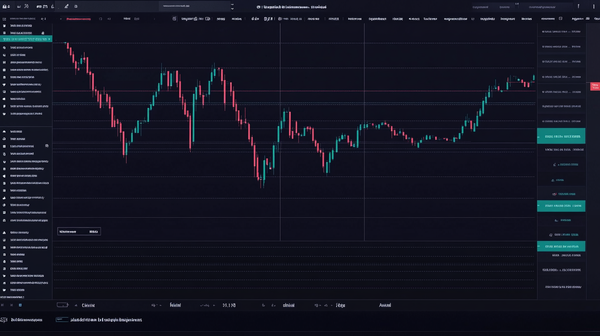
Most traders meet Valindexo through a proprietary WebTrader: charts, a watchlist, basic indicators, and order entry from one screen. Charting depth is usually mid-level—enough for trend lines, support/resistance marking, and common indicators, but not the “build-a-lab” flexibility you get with MT4/MT5 or cTrader ecosystems. Order types tend to cover market/limit/stop with straightforward risk controls (SL/TP), while more advanced conditional logic is often limited. The mobile app generally mirrors the web experience, which matters if you manage risk on the move. Where this category of platform can feel thin is in workflow: fewer customization layers, fewer analytics, and less robust reporting for systematic traders.
Trading Fees, Spreads, and Account Types at Valindexo
Cost-wise, the common pattern is a spread-first pricing model on a Standard-style account. For EUR/USD, a typical all-in spread around ~2.0 pips is consistent with offshore CFD providers in this segment. Some brokers in this tier also advertise “Raw/ECN” style accounts; when they do, you’ll often see very low headline spreads (0.0–0.4 pips) paired with a commission, frequently in the neighborhood of $6–$7 round-turn. Overnight financing (swap) is the quiet fee that bites position traders; it’s worth checking instrument-by-instrument rather than trusting a generic “low swap” claim. Minimum deposits in this space often land around $250, and leverage commonly reaches up to 1:500—powerful, but unforgiving during volatility spikes and margin calls.
When Do Traders Start Looking for Valindexo Alternatives?
Regulation is the first domino for many people, not because rules are “nice,” but because rules change the outcome when something goes wrong. Offshore frameworks can leave you negotiating from a weak position if a withdrawal is delayed, an account is disputed, or execution quality becomes questionable. That’s the practical reason Valindexo alternatives stay on the radar for US/EU-focused traders: you’re buying a stronger process—segregation expectations, complaint escalation paths, and clearer disclosures on execution and fees. And yes, leverage cuts both ways; the higher it goes, the less room you have for normal slippage and spread widening.
- You need MT4/MT5 or cTrader for an automated strategy (EAs, advanced backtesting, custom indicators) and the current WebTrader toolset can’t support it.
- You want verified regulator oversight (FCA/ASIC/CySEC/NFA) plus clearer rules on segregated client funds and negative balance protection.
- You’re trading size and notice slippage or rejected orders during news events, suggesting execution quality matters more than advertised leverage.
- You plan to hold trades overnight and swaps/financing charges are becoming a meaningful part of P&L.
How to Choose a Reliable Alternative to the Valindexo Trading Platform
Selection is not a beauty contest; it’s a fit-to-risk-budget exercise. Start with the question: “If the worst day happens—flash move, platform outage, dispute—what protections and processes exist?” Then work forward into markets, costs, and tooling. Regulated options vs Valindexo can look stricter on paper, but that strictness is often exactly what keeps small problems from turning into permanent losses.
Regulation, Safety, and Investor Protection
For US/EU readers, check the regulator first: FCA (UK), ASIC (Australia), CySEC (EU/Cyprus), or NFA/CFTC (US FX). Regulation doesn’t make trading safe, but it can enforce basics like segregation expectations and complaint handling. Some jurisdictions also link to formal compensation schemes—FSCS in the UK (up to £85,000 in eligible cases) and the ICF in Cyprus (up to €20,000). Don’t rely on screenshots; verify the firm on the regulator’s public register.
Available Markets and Instruments
Decide whether you want price exposure (CFDs) or ownership (real stocks/ETFs). Many platforms like Valindexo are CFD-heavy, which means you don’t get shareholder rights, you don’t transfer assets out, and your exposure is a contract. If your plan includes US equities, global ETFs, options, or futures, you’re usually looking at multi-asset brokers such as Interactive Brokers or Saxo Bank. For FX-only traders, a specialist can be enough—just make sure instruments and contract specs match your strategy.
Trading Costs: Spreads, Commissions, and Other Fees
Spreads are only the visible part of the bill. The clean comparison is round-turn cost: spread cost + commissions, then layer in swaps if you hold overnight. A scalper doing 200 EUR/USD trades a month will feel a 1-pip difference far more than a “higher leverage” headline. Also scan for inactivity fees, conversion charges, and withdrawal fees—small line items that become large when you compound them across a year.
Platforms, Tools, and Execution Quality
Tooling is strategy. MT4/MT5 are common for EAs; cTrader is popular for execution and depth-of-market; proprietary platforms can be smooth but sometimes shallow. Ask how the broker routes orders: market maker vs STP/ECN/DMA. That execution model influences slippage behavior, re-quotes, and how spreads behave during stress. If you’re leaving Valindexo because fills feel “mysterious,” prioritize brokers with clearer execution disclosures and stable infrastructure.
Support, Education, and Overall User Experience
Support is underrated until you need it. Look for published hours, live chat availability, and whether your language is supported consistently (not just by a script). Education matters if you’re moving into new products like options or futures; better brokers provide structured materials, webinars, and transparent margin explanations. Finally, test mobile parity: risk events happen while you’re commuting, not only when you’re at your desk.
Valindexo and Different Asset Classes: When Alternatives May Be Better
Valindexo Forex and CFD Trading
Valindexo’s natural habitat is FX and CFDs: roughly a few dozen forex pairs, plus indices and commodities, with leverage commonly marketed up to 1:500. That can feel attractive, but leverage is not edge—execution and cost are. If EUR/USD runs around ~2.0 pips on a standard-style account, frequent traders will often find meaningfully lower all-in pricing at regulated FX specialists. Pepperstone and IC Markets, for example, are widely used by active traders because they combine MT4/MT5/cTrader stacks with Raw-style pricing where spreads can be very low and commissions are explicit. The key difference is transparency: when commissions are stated and execution policies are documented, you can actually model your strategy’s expected slippage and transaction costs instead of guessing.
Valindexo Stock and ETF Trading
Many offshore CFD brokers treat stocks and ETFs as either “CFDs only” or a narrow add-on list, which changes the entire nature of what you’re buying. A stock CFD is a derivative contract; you don’t own the shares, you don’t vote, and you’re exposed to the broker’s pricing and financing terms. If your 2026 plan includes building a portfolio alongside trading, Interactive Brokers (IBKR) is hard to ignore for US/EU access: real equities, ETFs, options, futures, and more—often with direct market access structures depending on venue. Saxo Bank is another multi-asset option for traders who want broad global market coverage inside a regulated framework and a single account view. This is one of the clearest gaps where competitors to Valindexo can be structurally different, not just “cheaper.”
Valindexo Crypto Trading
If Valindexo offers crypto, it is typically via crypto CFDs—price exposure only, no on-chain withdrawal, no self-custody, no “proof-of-reserves” story. As a Bitcoin orthodox in Tokyo, I’ll say it plainly: paper Bitcoin is not Bitcoin. Still, some traders want short-term hedging or tactical exposure, and regulated brokers can provide that in a more rules-bound environment. IG and Plus500 are examples of regulated CFD providers that often include crypto CFDs in eligible regions (availability varies by country and local rules). For anyone mixing crypto CFD trading with real BTC holdings, keep them mentally separated: one is a leveraged derivative with funding costs; the other is an asset you can custody yourself. Confusing those two is how people end up surprised.
Best Valindexo Alternatives for 2026: Comparison of Top Trading Platforms
Interactive Brokers (IBKR): Key Facts and How It Compares to Valindexo
Regulation: SEC/FINRA (US), FCA (UK), IIROC (Canada)
Markets: Stocks, ETFs, options, futures, bonds, FX
Fees: Varies by product/venue; FX spreads often competitive with commission-style pricing on some structures
Platform: Trader Workstation (TWS), IBKR Desktop/Mobile, Client Portal, APIs
Best For: Multi-asset traders who want real market access (not CFD-only)
Pepperstone: Key Facts and How It Compares to Valindexo
Regulation: FCA (UK), ASIC (Australia), CySEC (EU), DFSA (Dubai)
Markets: FX, CFDs (indices, commodities, metals; offering varies by entity)
Fees: Standard spreads commonly from ~1.0 pip; Raw-style pricing often ~0.0–0.3 pips + commission (varies by platform/account)
Platform: MT4, MT5, cTrader, TradingView integration (availability varies)
Best For: Active FX traders focused on tight pricing and fast execution
Saxo Bank: Key Facts and How It Compares to Valindexo
Regulation: FCA (UK), MAS (Singapore), DFSA (Dubai)
Markets: Stocks, ETFs, options, futures, bonds, FX, CFDs
Fees: Pricing depends on tier/market; FX spreads often from ~0.6 pips on major pairs on some tiers
Platform: SaxoTraderGO, SaxoTraderPRO
Best For: Portfolio-minded traders combining investing and tactical hedging
OANDA: Key Facts and How It Compares to Valindexo
Regulation: CFTC/NFA (US), FCA (UK), ASIC (Australia), IIROC (Canada)
Markets: FX (and CFDs in certain regions; availability depends on entity)
Fees: Typically spread-based pricing; major FX pairs often from ~0.8–1.4 pips depending on market conditions and region
Platform: OANDA web/mobile, MT4 (availability varies), APIs
Best For: Risk-conscious FX traders who value strong oversight and simplicity
IG: Key Facts and How It Compares to Valindexo
Regulation: FCA (UK), ASIC (Australia), MAS (Singapore)
Markets: CFDs across FX, indices, commodities, shares (CFDs), and more (region-dependent)
Fees: Typically spread-based; majors can be competitive, with costs varying by instrument and volatility
Platform: IG Trading Platform (web/mobile), MT4 (availability varies)
Best For: Broad CFD coverage with strong research and market tools
Plus500: Key Facts and How It Compares to Valindexo
Regulation: FCA (UK), CySEC (EU), ASIC (Australia), MAS (Singapore)
Markets: CFDs (FX, indices, commodities, shares CFDs; crypto CFDs where permitted)
Fees: Spread-based pricing; costs vary widely by instrument, plus overnight funding on leveraged positions
Platform: Plus500 proprietary web platform and mobile app
Best For: Beginners who want a clean UI and straightforward CFD execution
Comparison Summary
| Platform | Regulation | Main Markets | Typical Costs | Best For |
|---|---|---|---|---|
| Interactive Brokers (IBKR) | SEC/FINRA, FCA, IIROC | Real stocks/ETFs, options, futures, bonds, FX | Product-based pricing; FX often competitive with commission-style structures | Multi-asset traders who want real market access (not CFD-only) |
| Pepperstone | FCA, ASIC, CySEC, DFSA | FX + CFDs (indices/commodities/metals) | Std ~1.0+ pip; Raw ~0.0–0.3 pips + commission | Active FX traders focused on tight pricing and fast execution |
| Saxo Bank | FCA, MAS, DFSA | Stocks/ETFs, options, futures, FX, CFDs | Tiered; FX often from ~0.6 pips on majors on some tiers | Portfolio-minded traders combining investing and tactical hedging |
| OANDA | CFTC/NFA, FCA, ASIC, IIROC | FX (CFDs in some regions) | Mostly spread-based; majors often ~0.8–1.4 pips | Risk-conscious FX traders who value strong oversight and simplicity |
| IG | FCA, ASIC, MAS | CFDs across FX/indices/commodities/shares CFDs | Spread-based; varies by instrument/volatility | Broad CFD coverage with strong research and market tools |
| Plus500 | FCA, CySEC, ASIC, MAS | CFDs (FX/indices/commodities/shares CFDs; crypto CFDs where allowed) | Spread-based + overnight funding on leveraged positions | Beginners who want a clean UI and straightforward CFD execution |
How to Safely Move from Valindexo to Another Broker
Switching brokers is not a “click and go” moment; it’s an operational move with real risk. Treat it like a controlled migration: verify oversight, secure access to records, and avoid being forced into rushed exits. If you’re holding leveraged CFDs, a messy transition can create accidental exposure—especially when spreads widen and margin thresholds get tight.
- Confirm the new broker’s authorization on the official register (FCA Register, ASIC Connect, CySEC database, or NFA BASIC) using the exact legal entity name.
- Open the new account and complete KYC/AML checks (ID + proof of address) before you touch your existing account status; approvals often clear within about a business day, but don’t assume.
- Download statements, trade history, and funding records from Valindexo while you still have clean access to the client portal; you may need these for taxes or disputes.
- Flatten exposure deliberately: close open positions or reduce size so you’re not depending on two platforms during a volatile window; position transfers between brokers are generally not a thing for CFDs.
- Withdraw funds using the same rail used for deposit where possible (a common AML rule), and document timestamps, reference numbers, and communications in a single folder.
Ready to Explore Valindexo?
If you’re comparing conditions side-by-side, check current eligibility for your country, review the product list (CFDs vs real assets), and read the execution and fee disclosures before funding. A few minutes of verification beats weeks of regret.
FAQ: Valindexo Alternatives and Trading Platforms
What is the best alternative to Valindexo in 2026?
The best alternative depends on whether you need real multi-asset access or mainly FX/CFDs. For real stocks/ETFs plus derivatives, Interactive Brokers (IBKR) is a strong benchmark; for FX execution with MT4/MT5/cTrader, Pepperstone is often a better fit than offshore CFD venues. If you want a simpler proprietary CFD app, Plus500 is typically easier to navigate, but you’ll still want to understand overnight funding and product limits.
Is Valindexo a safe broker/platform?
Valindexo appears to operate under an offshore/unregulated-style framework commonly associated with Seychelles-type jurisdictions, which generally provides fewer retail protections than FCA/NFA/CySEC regimes. That doesn’t automatically mean fraud, but it does mean you should assume weaker recourse and less transparent enforcement if a dispute arises. If safety is your priority, weigh regulated options vs Valindexo and verify the legal entity and client-money handling rules in writing.
Can I trade stocks, futures, or crypto with Valindexo?
With brokers in this category, stocks and ETFs are often “CFDs only” or offered in a limited list, and futures are frequently not offered as direct exchange-traded contracts. Crypto exposure, when available, is typically via crypto CFDs—price exposure without on-chain ownership or withdrawals. If you need real stocks/ETFs or exchange-traded futures, IBKR or Saxo Bank are more appropriate starting points.
What should I check before switching from Valindexo to another platform?
Before switching, verify the new broker on the regulator’s public register and confirm which legal entity will hold your account (this affects protections like FSCS or ICF). Next, compare total trading costs (spread + commission + swap) for your actual holding period, not marketing headlines. Finally, export your statements from Valindexo, plan how you’ll close and re-open exposure, and test the new platform with small size before scaling.
About the Author: Kenji Tanaka is a Tokyo-based market commentator and experienced trader with a cryptography background (University of Tokyo, incomplete). I’m Bitcoin-orthodox—“21 million, and not a coin more”—and I distrust fiat incentives, which is exactly why I obsess over execution, counterparty risk, and what happens when a platform fails.