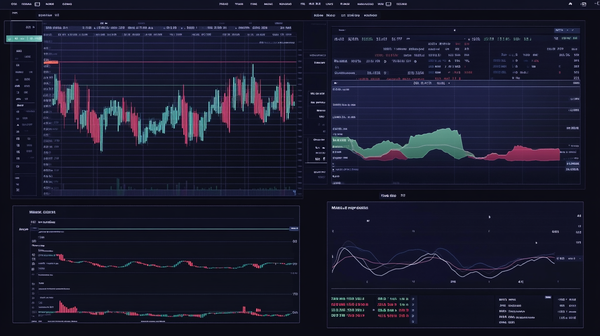

Valorencia Belfry Trading Platform Alternatives 2026
Valorencia Belfry Trading Platform Alternatives 2026: Reliable Options for Online Traders
Leverage is a blade. Swing it wrong and it cuts you first. That’s the mindset I bring when people ask about Valorencia Belfry and where to go next in 2026. Valorencia Belfry is typically discussed in the same bucket as offshore CFD-first brokers: a proprietary WebTrader, a mobile app, forex and index CFDs at the center, and “big-number” leverage that looks exciting until slippage and margin calls start writing your P&L for you.
For a global audience (especially US/EU readers), the issue is rarely one single feature. It’s the full stack: where the firm sits legally, how client money is handled, what happens during volatile markets, and whether your trading plan needs MT4/MT5, cTrader, or DMA-style execution. Even if you just scalp EUR/USD, the real cost is not the headline spread alone—it’s spread + commissions (if any) + execution quality + overnight financing. That is why this guide focuses on regulated, transparent substitutes, not “mystery boxes.”
This article maps practical Valorencia Belfry alternatives for 2026, with a bias toward brokers that are easier to verify on public registers (FCA, ASIC, CySEC, NFA) and that clearly separate “owning the asset” from trading CFDs. I’m a Bitcoin orthodox from Tokyo—banks and fiat are not my religion—but I still respect one boring rule: if you must touch CFDs, you do it with tight controls and verifiable counterparties. 21 million—and not a coin more.
Disclaimer: This content is for informational purposes only and does not constitute investment advice. CFDs and other leveraged products carry a high risk of loss and may not be suitable for all investors.
Key Takeaways (TL;DR)
- Offshore-style CFD platforms often advertise high leverage (e.g., 1:500), but regulated alternatives typically emphasize client-fund safeguards, negative balance protection (where required), and clearer dispute channels.
- If your strategy depends on EAs or advanced order handling, prioritize brokers with MT4/MT5 or cTrader rather than a basic WebTrader stack.
- For stocks/ETFs, “real ownership” access (DMA) at a multi-asset broker can be a different world from stock CFDs—no shareholder rights in CFDs, and costs behave differently.
What Is Valorencia Belfry and How Does Its Trading Platform Work?
From what is commonly observable for brokers in this category, Valorencia Belfry presents itself as a retail trading venue focused on CFDs—primarily forex and index/commodity contracts—with crypto CFDs often included for headline variety. Its regulatory posture is best described as offshore/unregulated, commonly associated with jurisdictions such as Mauritius FSC in this segment, which is not the same thing as FCA/ASIC/NFA oversight. The typical user is a newer-to-intermediate trader attracted by a low barrier to entry (often around a $250 first deposit) and aggressive leverage (commonly up to 1:500). That combination can amplify returns, but it also compresses your margin-for-error into something painfully small.
Valorencia Belfry Web Trading Platform: Core Features and Tools
The platform stack is usually a proprietary WebTrader with an iOS/Android companion app—usable, but rarely built for institutional-grade workflow. Expect basic-to-mid charting with common timeframes, a standard set of indicators, and drawing tools that cover the usual lines and retracements. Order handling is often limited to market/limit/stop with fewer conditional options than MT5 or cTrader. Mobile parity tends to be “good enough” for monitoring and simple execution, while deeper analysis still feels more comfortable on desktop. This is the same general design philosophy seen in many platforms like Valorencia Belfry: fast onboarding, simpler UX, and fewer knobs for advanced execution control.
Trading Fees, Spreads, and Account Types at Valorencia Belfry
Cost-wise, the common structure is a spread-based Standard account with EUR/USD often around ~2.0 pips in normal liquidity—wide enough that frequent traders will feel it. Some brokers in this lane advertise “raw” style pricing (e.g., 0.0–0.4 pips) paired with a commission in the $5–$8 round-turn range, though the details vary and are not always easy to verify. Overnight financing (swap) is typically applied on CFD positions held past rollover, and it can quietly dominate results for swing traders. Also watch for frictional fees—withdrawal charges, currency conversion, and inactivity policies—because they tend to matter most when you are trying to reduce exposure quickly.
When Do Traders Start Looking for Valorencia Belfry Alternatives?
Regulation is the alarm bell that rings first for many people, but it’s not the only one. Traders usually start comparing Valorencia Belfry alternatives when they realize the platform’s convenience comes with trade-offs: unclear legal recourse, thinner product depth, and execution that may feel “fine” until volatility hits. When a CPI print gaps the market or crypto spikes 8% in minutes, your broker’s execution model and risk controls matter more than any onboarding bonus. The harsh truth: the higher the leverage, the less time you get to be wrong.
- You want MT4/MT5 or cTrader for automated strategies, but your current setup is limited to a proprietary WebTrader workflow.
- You’re scaling volume and the difference between ~2.0 pips and sub-1 pip effective costs becomes a monthly performance tax.
- You need transparent proof of regulation (FCA/ASIC/CySEC/NFA registers) and segregated client funds, not an offshore address and marketing PDFs.
- You’re trying to trade outside the usual CFD menu (real stocks/ETFs, options, futures), and the current product list can’t support the plan.
How to Choose a Reliable Alternative to the Valorencia Belfry Trading Platform
A better choice is not a vibe; it’s a fit-to-strategy decision with a safety layer on top. Treat your broker selection like you’d treat position sizing: define what can break, decide what you can tolerate, and then pick the venue that minimizes hidden failure modes. For traders comparing alternatives to the Valorencia Belfry trading platform, that means verifying regulation, mapping instruments to your actual needs, and measuring all-in trading costs per round-turn—not just the headline spread.
Regulation, Safety, and Investor Protection
Start with regulators you can check in public: FCA (UK), ASIC (Australia), CySEC (Cyprus/EU), and NFA/CFTC (US for FX). In the UK, FCA-regulated firms may fall under the FSCS compensation framework (up to £85,000 in eligible cases), while CySEC-linked entities may connect to the ICF (up to €20,000). Also look for segregated client funds and, where applicable, negative balance protection—boring words that matter when markets go feral.
Available Markets and Instruments
Write down what you truly trade: FX spot via CFD, indices, metals, oil, stock CFDs, or actual stocks/ETFs. If you want long-term exposure, “real shares” access is not the same as a CFD wrapper. Multi-asset brokers can offer equities, options, and futures alongside FX—useful if you hedge properly or want to diversify away from one product type. Many brokers similar to Valorencia Belfry focus on CFDs only; that’s fine for tactical trading, but it is not a complete toolkit.
Trading Costs: Spreads, Commissions, and Other Fees
Compare costs using an all-in metric: spread + commission (if any) per round-turn, then add swap if you hold overnight. A “0.0 pip” headline means little if commission is high or slippage is persistent. For a frequent trader, shaving even 0.5 pip on EUR/USD can be material over a month. Also audit fees that don’t show up in the ticket: inactivity rules, withdrawal charges, and currency conversion spreads can hurt when you’re moving capital under time pressure.
Platforms, Tools, and Execution Quality
Platform choice is strategy choice. MT4/MT5 matter for EAs and indicator ecosystems; cTrader is popular for its execution feel and cleaner UI; proprietary platforms can be fine, but you’re locked into one vendor’s toolset. Execution model is the other half: market maker vs STP/ECN vs DMA changes how orders are handled and how slippage behaves. If you’re coming from Valorencia Belfry, test execution during news and thin-liquidity hours using small size before you commit serious margin.
Support, Education, and Overall User Experience
Good support is not “friendly chat.” It’s reachable help during your trading hours, clear answers about margin calls and swaps, and documentation that matches what the platform does. For EU/UK traders, language coverage and escalation paths also matter. Education can be valuable, but don’t mistake content volume for quality—look for risk tools (position sizing, margin calculators), and check whether mobile and web experiences stay consistent so you don’t manage risk differently just because you switched screens.
Valorencia Belfry and Different Asset Classes: When Alternatives May Be Better
Valorencia Belfry Forex and CFD Trading
In the offshore CFD lane, forex is the flagship: expect roughly 30–50 FX pairs, plus major indices and a handful of commodities. That’s likely the strongest area for Valorencia Belfry, but two frictions tend to show up for active traders: costs and execution. With EUR/USD commonly around ~2.0 pips on a spread-only tier, the platform can be expensive for frequent entries, especially if you trade around sessions where spreads widen. Regulated FX specialists such as Pepperstone and OANDA typically provide clearer pricing models, stronger disclosure, and platform choice (MT4/MT5/cTrader or robust proprietary tools). You still face leverage risk—sometimes with lower caps under EU/UK rules—but the trade-off is a framework that is easier to audit and, in my view, harder to game against the client.
Valorencia Belfry Stock and ETF Trading
Stocks and ETFs are where many CFD-first venues feel thin. If equities are offered at all, it’s often via stock CFDs—meaning you’re trading price exposure, not owning shares. No voting rights, no direct participation in corporate actions the way a real shareholder gets them, and financing costs can make longer holds unattractive. This is where top substitutes for Valorencia Belfry look very different: Interactive Brokers (IBKR) is built around broad market access (stocks, ETFs, options, futures, bonds, and FX) with a pro-grade toolset, while Saxo Bank offers multi-asset depth aimed at serious portfolio builders. If your “trading” is really investing with occasional hedges, moving from a CFD wrapper to real-market access can be a structural upgrade, not just a platform swap.
Valorencia Belfry Crypto Trading
Crypto on many CFD platforms is usually “exposure only”: you speculate on BTC, ETH, and a short list of coins via CFDs, with no on-chain withdrawal and no self-custody. For me, that’s the philosophical line—Bitcoin is not a casino chip. Still, some traders want regulated crypto CFD access for hedging, and reputable CFD brokers can provide it with clearer risk disclosure. IG and Plus500, depending on region, have offered crypto-related CFDs with a regulated wrapper and standardized risk controls. If your goal is long-term ownership, none of these replace cold storage; if your goal is tactical hedging, regulated options vs Valorencia Belfry can reduce counterparty ambiguity—while keeping the same core warning: leverage plus volatility is how accounts get erased.
Best Valorencia Belfry Alternatives for 2026: Comparison of Top Trading Platforms
Interactive Brokers (IBKR): Key Facts and How It Compares to Valorencia Belfry
Regulation: SEC/FINRA (US), FCA (UK), IIROC (Canada) (entity varies by region)
Markets: Stocks, ETFs, options, futures, bonds, FX
Fees: Pricing varies by product; FX spreads often competitive with commissions depending on account setup; equity commissions can be low on tiered plans
Platform: Trader Workstation (TWS), web platform, mobile app, API access
Best For: Multi-asset pros who want real-market access (not just CFDs)
Pepperstone: Key Facts and How It Compares to Valorencia Belfry
Regulation: FCA, ASIC, CySEC, DFSA (entity depends on region)
Markets: FX and CFDs (indices, commodities, some crypto CFDs depending on jurisdiction)
Fees: EUR/USD often ~0.0–0.3 pips + commission on Raw-style accounts; ~1.0–1.2 pips on Standard-style pricing (typical ranges)
Platform: MT4, MT5, cTrader, TradingView (availability varies), mobile apps
Best For: Cost-focused FX traders running EAs or scalping
Saxo Bank: Key Facts and How It Compares to Valorencia Belfry
Regulation: FCA, MAS, DFSA (entity depends on region)
Markets: Stocks, ETFs, options, futures, FX, bonds, CFDs
Fees: Costs vary by asset; FX spreads are typically competitive on higher tiers; commissions apply on many exchange-traded products
Platform: SaxoTraderGO, SaxoTraderPRO
Best For: Portfolio builders who want one account across many markets
OANDA: Key Facts and How It Compares to Valorencia Belfry
Regulation: CFTC/NFA (US), FCA (UK), ASIC (AU), IIROC (Canada)
Markets: FX (and CFDs in some regions), metals (region-dependent)
Fees: Typically spread-based pricing; EUR/USD often around ~0.6–1.2 pips in liquid hours (ranges vary by account/region)
Platform: OANDA web/mobile platforms, MT4 (availability varies), APIs
Best For: Transparency-first FX trading (including US-eligible traders)
IG: Key Facts and How It Compares to Valorencia Belfry
Regulation: FCA, ASIC, MAS (entity depends on region)
Markets: CFDs (indices, FX, commodities, shares), spread betting (UK/IE), some crypto CFDs depending on jurisdiction
Fees: Spread-based on many CFDs; FX spreads often competitive in majors; additional financing applies for overnight CFD holds
Platform: IG Trading Platform (web/mobile), MT4 (where available)
Best For: Broad CFD coverage with strong regulatory oversight
Plus500: Key Facts and How It Compares to Valorencia Belfry
Regulation: FCA, CySEC, ASIC, MAS (entity depends on region)
Markets: CFDs (FX, indices, commodities, shares, ETFs; crypto CFDs depending on jurisdiction)
Fees: Typically spread-only pricing; costs depend on instrument and market conditions; overnight funding applies to CFD holds
Platform: Plus500 proprietary web platform and mobile app
Best For: Simple, app-first CFD execution with fewer platform knobs
Comparison Summary
| Platform | Regulation | Main Markets | Typical Costs | Best For |
|---|---|---|---|---|
| Interactive Brokers (IBKR) | SEC/FINRA, FCA, IIROC | Stocks/ETFs, options, futures, bonds, FX | Product-based pricing; FX often tight with commissions; exchange fees/commissions on listed markets | Multi-asset pros who want real-market access (not just CFDs) |
| Pepperstone | FCA, ASIC, CySEC, DFSA | FX + CFDs (indices/commodities; some crypto CFDs) | Raw: ~0.0–0.3 pips + commission; Standard: ~1.0–1.2 pips (typical) | Cost-focused FX traders running EAs or scalping |
| Saxo Bank | FCA, MAS, DFSA | Stocks/ETFs, options, futures, FX, CFDs, bonds | Spreads/commissions vary by tier and asset; stronger value for multi-asset activity | Portfolio builders who want one account across many markets |
| OANDA | CFTC/NFA, FCA, ASIC, IIROC | FX (and CFDs in some regions) | Often spread-based; EUR/USD commonly ~0.6–1.2 pips in liquid sessions | Transparency-first FX trading (including US-eligible traders) |
| IG | FCA, ASIC, MAS | CFDs across FX/indices/commodities/shares; spread betting (UK/IE) | Spread-led pricing; overnight financing on CFDs; majors typically competitive | Broad CFD coverage with strong regulatory oversight |
| Plus500 | FCA, CySEC, ASIC, MAS | CFDs (FX, indices, commodities, shares, ETFs; some crypto CFDs) | Spread-only; funding/overnight costs apply for holds beyond a session | Simple, app-first CFD execution with fewer platform knobs |
How to Safely Move from Valorencia Belfry to Another Broker
Switching brokers is not a “click and forget” event—it’s operational risk management. Treat it like a controlled unwind: protect your records, avoid overlapping margin exposure, and verify the new venue before you send real money. If you are moving from an offshore CFD setup into a regulated account, expect stricter KYC/AML and different leverage rules; that’s not the broker being annoying, that’s the framework doing its job. Here’s a practical sequence for traders seeking competitors to Valorencia Belfry.
- Verify the new broker on an official register (FCA Register, ASIC Connect, CySEC directory, or NFA BASIC) and confirm the legal entity matches the website footer and your onboarding documents.
- Open the new account and complete KYC first (government ID + proof of address), so you are not stuck unable to trade if the verification queue runs longer than expected.
- Flatten risk on your old account by closing open CFD positions rather than assuming any transfer mechanism exists between brokers; most retail positions do not “move,” they must be re-entered.
- Withdraw funds from Valorencia Belfry using the same rails you used to deposit when possible; many firms enforce this due to AML rules, and mismatches can slow processing.
- Export and store your trade history, account statements, and funding receipts before you reduce activity; tax reporting and dispute resolution both depend on clean records.
Ready to Explore Valorencia Belfry?
If you’re still assessing whether the current setup fits your 2026 plan, review the onboarding flow, regional eligibility, and the exact trading conditions on the account type you would use. Then compare it directly against regulated substitutes on execution tools, costs, and withdrawal policies—especially if you trade with leverage.
FAQ: Valorencia Belfry Alternatives and Trading Platforms
What is the best alternative to Valorencia Belfry in 2026?
The best choice depends on whether you need real-market access or pure FX/CFD execution. For multi-asset (stocks/ETFs/options/futures) with pro tooling, Interactive Brokers is hard to ignore; for FX-focused traders chasing lower all-in costs, Pepperstone is a strong regulated option. In this guide, those sit at the top of my best Valorencia Belfry alternatives 2026 shortlist for different reasons.
Is Valorencia Belfry a safe broker/platform?
Valorencia Belfry is best viewed as operating under an offshore/unregulated style framework (often associated with Mauritius FSC in this segment), which generally provides fewer investor protections than FCA/ASIC/CySEC/NFA regimes. That doesn’t automatically mean fraud, but it does mean you have less structural back-up (compensation schemes, stricter conduct rules, and clearer dispute escalation). If safety is your priority, prioritize Valorencia Belfry alternatives with verifiable licensing and segregated client funds.
Can I trade stocks, futures, or crypto with Valorencia Belfry?
Typically, the core offering is forex and CFDs, with crypto often available as CFDs (price exposure, not on-chain ownership). Stocks and ETFs, if present, are commonly offered as CFDs rather than real shares, while exchange-traded futures are usually not part of the standard offshore CFD menu. Traders who need real stocks/ETFs or listed futures should look at regulated multi-asset venues such as IBKR or Saxo Bank instead of platforms like Valorencia Belfry.
What should I check before switching from Valorencia Belfry to another platform?
Confirm the new broker’s regulator and legal entity on the official register, then check negative balance protection rules, client-fund segregation, and the execution/platform stack (MT4/MT5/cTrader vs proprietary). Next, compare all-in costs (spread + commission + swap) and read funding/withdrawal terms so you don’t get trapped by process friction. Finally, migrate in a controlled way—KYC first, small test deposit, and only then scale up—because leveraged products can magnify operational mistakes as brutally as trading mistakes.
About the Author: Kenji Tanaka is a Tokyo-based financial journalist and active trader with a background in cryptography studies (University of Tokyo, incomplete). I’m Bitcoin-orthodox—21 million, and not a coin more—so I’m allergic to opaque counterparties and love anything you can verify on a public register and a clean statement. My work focuses on market structure, execution quality, and the real cost of trading after spreads, slippage, and financing.