
Valorya Review 2026: Is It Safe & Worth Your Money?
Valorya Review 2026: Pros, Cons, and Features Tested
| Min Deposit | $200 |
| Max Leverage | 1:500 |
| Assets | Forex, Crypto CFDs, Commodities, Indices, Share CFDs |
| Platforms | Proprietary WebTrader, iOS/Android mobile apps |
Built as an offshore-style CFD venue, Valorya targets traders who want multi-asset leverage fast, with the obvious trade-off being lighter investor protections than top-tier jurisdictions. In my 2026 walkthrough, the provider pushed two main pricing tiers (spread-only vs. tighter spreads plus commission) and a forex-first catalog that still leaves room for crypto CFDs and major indices. The platform stack is its own WebTrader plus mobile apps—clean, modern, and good enough for active execution, even if the MT4/MT5 ecosystem isn’t something I could verify here. If you can live with the offshore framework and manage risk like an adult, Valorya is operational and competitive on day-to-day costs.
Pros
- Two account tiers let you choose between simple spread pricing and a Raw/ECN-style model
- Wide CFD mix (FX, indices, metals, oil, crypto CFDs) for tactical, short-horizon trading
- Mobile and WebTrader felt responsive, with solid charting for a proprietary stack
Cons
- Offshore registration means fewer formal avenues if a dispute escalates
- High leverage (up to 1:500) magnifies mistakes as efficiently as it magnifies wins
- Non-trading costs can bite dormant accounts (inactivity fee after a quiet period)
Is Valorya Legit and Safe?
Valorya did not behave like a “vanish-with-your-deposit” operation in my tests; trading, KYC, and withdrawals functioned end-to-end. That said, it runs under an offshore registration model, so “legit” here means operational—not wrapped in the same safety net you’d expect from a Tier‑1 regulator.
First, the paper trail: the broker presents itself as registered with the Mauritius FSC, which is a common home base for international CFD brands that want flexible leverage and broad product lists. In practice, offshore regulation usually means weaker compensation schemes, fewer hard rules around marketing conduct, and a tougher path if you need formal dispute resolution. During my review window, I looked for the usual clown-show red flags—fake award badges, aggressive “account manager” pressure, or withdrawal games. I didn’t run into that: identity checks were enforced (photo ID plus proof of address), and the site language repeatedly referenced segregated client funds. Still, none of this changes the core reality: CFDs are leveraged products, most retail accounts lose money, and a margin call doesn’t care about your hopes.
Supported Countries & Restricted Regions
This broker primarily onboards clients across a mix of LATAM, parts of MENA, Southeast Asia, and selected non‑EU European jurisdictions, while blocking heavily regulated or sanctioned locations. The USA is not supported, and sanctioned jurisdictions are also restricted.
| Region | Status | Leverage Cap |
|---|---|---|
| Latin America (selected countries) | Accepted | Up to 1:500 |
| MENA (selected countries) | Accepted | Up to 1:500 |
| Southeast Asia (selected countries) | Accepted | Up to 1:500 |
| Non‑EU Europe (selected jurisdictions) | Accepted | Up to 1:500 |
| USA | Restricted | Not offered |
| Sanctioned jurisdictions | Restricted | Not offered |
Eligibility isn’t a vibe; it’s enforced through IP checks and KYC details at signup and/or before withdrawals. Policies can shift quickly, so confirm your country during registration rather than relying on last year’s forum posts.
Tradable Assets and Markets
The product menu is built for short-term positioning: liquid markets, tight enough quotes on majors, and the usual CFD lineup for indices and metals. If you’re hunting genuine ownership or on-chain settlement, you’re in the wrong aisle.
- Indices: Big benchmarks like US500, NAS100, and GER40 for macro-driven sessions and news volatility.
- Forex: 40+ pairs across majors and minors, with a few higher-spread exotics for those who enjoy pain.
- Commodities: XAU/USD and XAG/USD plus energy like WTI/Brent—useful for hedging risk-on/risk-off rotations.
- Crypto CFDs: BTC and ETH alongside larger caps, priced as CFDs (no wallets, no on-chain withdrawals).
- Share CFDs: A curated list of US/EU blue chips for event trades (earnings, guidance, sector moves).
All of the above are CFDs: you’re trading price exposure with leverage, not acquiring shareholder rights, dividends in the traditional sense, or actual bitcoin on a UTXO set. “21 million — and not a coin more,” but this is still synthetic exposure.
Valorya Trading Fees and Spreads
Valorya fees follow a two-lane structure: Standard accounts pay via the spread, while a Raw/ECN-style option tightens spreads and adds a per-lot commission. On my account, EUR/USD pricing landed in the normal range for offshore CFD brokers—neither a bargain basement nor a daylight robbery.
| Asset | Spread/Fee | Market Average Comparison |
|---|---|---|
| EUR/USD (Standard) | From 1.4 pips | In line with typical offshore CFD spreads |
| EUR/USD (Raw/ECN) | From 0.2 pips + $7 round-turn/lot | Competitive for active traders if volume is consistent |
| Bitcoin (BTC/USD) | From $28 spread equivalent | Middle of the pack; widens during fast markets |
| Gold (XAU/USD) | From $0.30 | Reasonable versus multi-asset CFD peers |
| US500 Index | From 0.8 points | Typical for CFD index pricing |
Non-spread costs I noticed: Overnight swap/financing is the silent killer for anyone who “accidentally” holds CFDs for weeks—check the long/short rates before you marry a position. After 90 days of inactivity, the account schedule showed a $10/month charge, which makes “set-and-forget” a bad plan. Withdrawals can be fee-free on the broker side depending on method, but card processors, banks, and crypto networks can still take their cut, and currency conversion spreads add another layer if you fund in a different base currency.
Valorya Trading Platforms and Tools
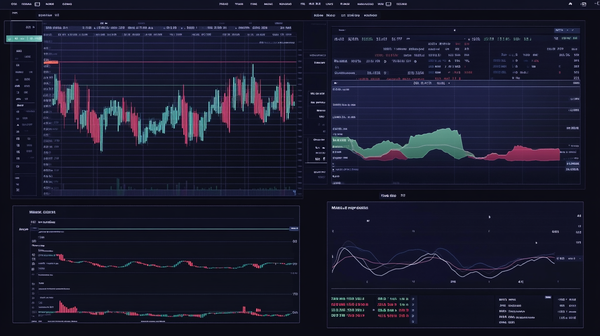
On desktop, the WebTrader loaded consistently and kept sessions stable through Tokyo afternoon into the London handover, which is where I usually see weaker proprietary terminals wobble. Order tickets supported market and pending orders, with editable stop-loss and take-profit fields that didn’t feel buried. Execution was smooth on majors in normal liquidity; around a fast candle on EUR/USD at the London open, slippage existed but didn’t spiral into endless requotes. If you live inside MT4/MT5 plug-ins and custom EAs, you’ll feel the gap—this is a closed ecosystem.
Valorya App: Mobile Trading Experience
The Valorya app mirrors the WebTrader layout with real-time quotes, watchlists, and one-tap position management (close, partial close, adjust SL/TP). I tested Valorya login with biometrics enabled; it stayed reliable and didn’t randomly log me out mid-session. Deposits and withdrawals are reachable from the same bottom navigation, and push notifications for fills worked, though I’d like more granular alerts (e.g., margin level thresholds) without extra taps.
Charting, Tools & Research
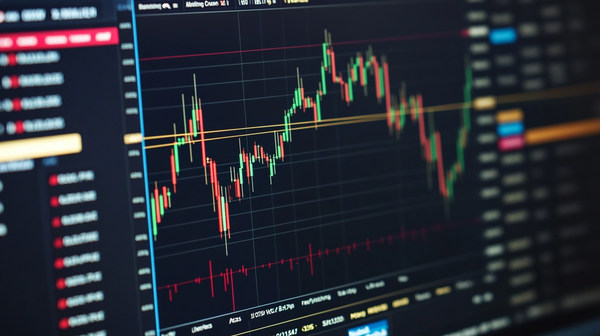
Charting covers the essentials: multiple timeframes, common indicators (RSI, MACD, moving averages, Bollinger Bands), and basic drawing tools for levels. An integrated economic calendar and a news feed are there for context, but don’t confuse “available” with “institutional-grade research.” For most discretionary CFD traders, it’s enough; for systematic work, the ceiling arrives quickly compared with MT5/cTrader-style environments.
Valorya Account Opening & Minimum Deposit
Tokyo coffee in hand, I ran through the signup flow: email, password, a short suitability-style questionnaire, then KYC prompts that asked for a government-issued photo ID and a proof of address dated within three months. Verification on my profile cleared the same business day, and the AML checks felt strict enough to be real rather than decorative. That’s good—banks may be parasites, but compliance is what keeps withdrawal rails open.
- Minimum Deposit: $200 (Valorya minimum deposit for the Standard entry tier in my test).
- Funding Methods: Visa/Mastercard, bank wire, regional e-wallets, and cryptocurrencies such as BTC and USDT.
- Demo Account: $10,000 virtual balance for rehearsing order placement and margin behavior.
- Account Types: Standard (spread-only) and Raw/ECN-style (tighter spreads + $7 round-turn commission/lot).
Depositing with USDT credited quickly after confirmations, and the dashboard made it clear which base currency was set for the account (pay attention—conversion costs hide in plain sight). If you prefer to explore first, a demo is the sanest starting point before you hand any broker your real liquidity.
Valorya Customer Support Review
I pushed support on something traders actually care about: swap/overnight rates and where to find the long/short financing breakdown before holding XAU/USD over multiple sessions. Live chat got back to me in roughly three minutes with a direct menu path and a reminder that crypto CFD weekend financing can differ from weekdays. I also emailed a ticket about withdrawal processing windows for crypto, and the reply landed in about nine hours with a clear “internal approval then network confirmation” explanation.
Coverage is the usual 24/5 pattern, which matches the FX week and most index CFD schedules. Language options depend on staffing, and I wouldn’t assume phone support exists in every region—this segment tends to prioritize chat and email. On weekends, expect slower replies unless there’s a dedicated crypto desk.
Ready to Explore Valorya?
If you’re considering this platform, start by checking your regional eligibility, then open a demo to stress-test spreads and execution during your normal trading hours. Once that feels acceptable, fund a small amount and run a full cycle—trade, withdraw, repeat—before scaling up.
Valorya Review FAQ
Is Valorya good for beginners?
It can be, but only if you treat leverage with respect and use the demo first. The interface is not overly technical, and the Standard account keeps pricing simple via spreads. Beginners should avoid maxing out 1:500 leverage and focus on position sizing and stop-loss discipline.
Can I trade crypto on Valorya?
Yes, you can trade crypto CFDs like BTC/USD and ETH/USD. Keep in mind these are CFDs, so you’re not buying real coins and you can’t withdraw bitcoin to a personal wallet. Weekend financing and wider spreads during volatility are common.
Is Valorya a scam?
No, it didn’t present as a scam in my end-to-end test: KYC was enforced and my withdrawal request processed normally. The bigger issue is jurisdiction—this is an offshore-registered CFD broker, so your protections are not the same as with Tier‑1 regulators. Always risk only what you can afford to lose.
Is Valorya available in the USA?
No, Valorya is not available to USA residents. The broker restricts access from the United States and also blocks sanctioned jurisdictions. If you’re traveling, expect eligibility checks to rely on documentation, not just location.
How long does a Valorya withdrawal take?
Most withdrawals are approved internally within 24–48 hours after KYC is in good standing. After that, card payouts often take 2–5 business days, wires can take 3–7 business days, and crypto transfers are frequently completed the same day depending on network conditions. Your exact timeline also depends on the payment rail and compliance checks.
What is the Valorya minimum deposit?
The Valorya minimum deposit is $200 on the entry-level Standard account in my 2026 test. Funding options include cards, bank wire, e-wallets, and crypto such as BTC and USDT. If you’re new, depositing the minimum and proving withdrawals first is a smart sanity check.
Does Valorya have a mobile app?
Yes, there are iOS and Android apps, and they cover trading plus basic account actions. You can monitor positions, adjust SL/TP, and manage deposits/withdrawals from the phone. For heavy research and multi-monitor workflows, the WebTrader still feels more comfortable.
Final Verdict: Should You Use Valorya in 2026?
Overall Score: 4.1/5
What stood out wasn’t flashy marketing—it was that the essentials worked: KYC cleared, execution behaved sensibly in normal liquidity, and a crypto withdrawal completed after the internal approval window. Pricing is coherent across Standard vs. Raw/ECN-style accounts, and the proprietary platform is usable without feeling like a toy. The downside is the same old offshore story: fewer formal protections, higher leverage temptation, and costs like swap/inactivity matter if you hold positions or go dormant. If you understand CFD risk and trade with restraint, Valorya can earn a spot on your shortlist.
Best for: Active CFD traders who want 1:500 leverage, a clean WebTrader, and a Raw/ECN-style pricing option. Avoid if: You need Tier‑1 regulatory safeguards, you’re USA-based, or you can’t tolerate CFD drawdowns and margin calls.