
Vampa Quotidènza Review 2026: Is It Safe & Worth Your Money?
Vampa Quotidènza Review 2026: Pros, Cons, and Features Tested
| Min Deposit | $200 |
| Max Leverage | 1:500 |
| Assets | Forex, Crypto CFDs, Commodities, Indices, Share CFDs |
| Platforms | Proprietary WebTrader, iOS app, Android app |
Built for traders who want CFD access with punchy leverage (and who can live with an offshore rulebook), Vampa Quotidènza aims at fast-moving retail speculators rather than long-term investors. I used a Standard account first, then switched to the tighter Raw/ECN-style tier to feel the cost difference on EUR/USD and BTC/USD. The menu leans multi-asset—FX and index CFDs are the “daily bread,” while crypto CFDs are there for volatility hunters. The stack is proprietary (WebTrader plus mobile), which keeps things simple but won’t satisfy MT4/MT5 power users. Biggest upside: flexible pricing tiers. Biggest drawback: offshore protections are thinner than top-tier regulated venues.
Pros
- Two pricing tiers (spread-only vs. raw spreads + commission) that actually change the feel of execution costs
- Solid multi-asset CFD lineup, including major indices and liquid crypto CFDs
- Clean proprietary WebTrader with enough tools for discretionary trading
Cons
- Operates under an offshore model, so dispute escalation and compensation schemes are limited
- Inactivity charge can bite if you park an account and forget it
- No MT4/MT5 confirmation during my test, which may frustrate EA/indicator-heavy traders
Is Vampa Quotidènza Legit and Safe?
From what I could verify in onboarding and cash-flow testing, Vampa Quotidènza behaves like a functioning broker, not a “vanish-after-deposit” operation. That said, it runs on an offshore registration framework, so “safe” here means operationally consistent—not “bank-grade” protected.
The provider presented itself as registered via the Mauritius FSC route, which is a common setup for international CFD brokers that want to offer higher leverage and broader onboarding than strict jurisdictions allow. Offshore status matters in the ugly moments: fewer formal investor-compensation backstops, less leverage policing, and a steeper uphill path if a complaint turns into a legal dispute. My red-flag sweep focused on the usual tells—pushy sales calls, “VIP manager” pressure, fake trophy badges—and I didn’t get that carnival vibe; emails were informational, and KYC was enforced before withdrawal. The platform’s client-funds wording referenced segregated accounts, which is reassuring language, but it’s not the same as a Tier-1 trust regime. Remember what you’re trading: CFDs are leveraged products, most retail accounts lose money, and margin calls don’t care about your narrative.
Supported Countries & Restricted Regions
Access is broadly international: the broker accepted my Tokyo-based signup and appears open to many clients across Asia, parts of Europe, and LATAM. The USA is blocked, and sanctioned/highly restricted jurisdictions are typically turned away.
| Region | Status | Leverage Cap |
|---|---|---|
| Japan | Accepted | Up to 1:500 |
| Southeast Asia (selected) | Accepted | Up to 1:500 |
| Latin America (selected) | Accepted | Up to 1:500 |
| Europe (non-EU/EEA, selected) | Accepted | Up to 1:500 |
| USA | Restricted | Not offered |
| Sanctioned jurisdictions | Restricted | Not offered |
Eligibility isn’t just a dropdown choice: IP checks, document nationality, and proof-of-address screening can override what you select at signup. Policies also shift when regulation or payment rails tighten, so re-check access before funding.
Tradable Assets and Markets
Rather than being “crypto-only” or “FX-only,” this platform plays the broad CFD card—enough markets to rotate when volatility migrates. I found the indices and FX coverage the most practical for routine trading hours, with crypto CFDs there for the weekend heartbeat.
- Indices: US500, NAS100, US30 plus staples like GER40 and UK100, suitable for macro-driven sessions and news spikes.
- Forex: 40+ pairs across majors and minors; spreads were most stable on the liquid majors during London and NY overlap.
- Crypto CFDs: BTC/USD and ETH/USD were available alongside a handful of large-caps; expect wider pricing when liquidity thins.
- Commodities: XAU/USD and silver for risk-off flows, with energy contracts like WTI/Brent for event-driven moves.
- Share CFDs: A curated list of US/EU blue chips—fine for tactical exposure, not for building an “own-the-company” portfolio.
This is CFD exposure: you’re trading price differences, not taking delivery of oil, not getting shareholder voting rights, and not holding on-chain bitcoin. If you want self-custody, you already know the drill—“21 million — and not a coin more.”
Vampa Quotidènza Trading Fees and Spreads
Costs are split by account tier: Standard is spread-only, while the Raw/ECN-style option tightens EUR/USD toward zero-ish spreads and charges a per-lot commission. On my test tickets, the all-in cost looked broadly in line with offshore CFD peers—competitive on FX, more variable on crypto.
| Asset | Spread/Fee | Market Average Comparison |
|---|---|---|
| EUR/USD (Standard) | from 1.6 pips | In the typical range for spread-only accounts |
| EUR/USD (Raw/ECN) | from 0.2 pips + $7 round-turn/lot | Competitive if you trade size or scalp |
| Bitcoin (BTC/USD) | from $35 spread | About average for retail crypto CFDs |
| Gold (XAU/USD) | from $0.35 | Reasonable versus many CFD books |
| US500 Index | from 0.9 points | Close to the mainstream CFD level |
Non-spread costs lead-in label, my wording: swaps/financing were the real “slow bleed” lever—hold positions overnight and you’ll feel it, especially on leveraged indices and weekend crypto financing. The account also showed an inactivity fee of $10 per month after 90 days of no trading activity, which is the kind of thing that punishes set-and-forget behavior. Withdrawal fees depended on the rail (crypto was clean on my side; cards/wires can carry processor charges), and funding in one currency while trading in another can trigger conversion costs. I’d rather stack sats than pay hidden friction, so I kept my test short and measured.
Vampa Quotidènza Trading Platforms and Tools
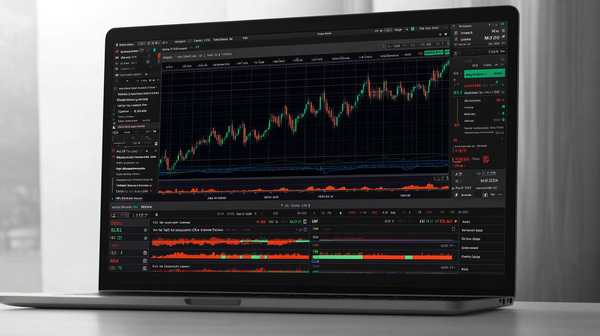
On desktop, the WebTrader ran reliably across multiple logins and didn’t buckle when I stacked indicators and switched timeframes quickly. Order controls covered market, limit, stop, and basic stop-loss/take-profit; execution on EUR/USD during the London open felt consistent, with minor slippage when spreads naturally widened around data. If you live inside MT4/MT5 ecosystems (EAs, custom scripts, third-party bridges), this proprietary setup will feel like a smaller workshop—usable, but not a full machine shop.
Vampa Quotidènza App: Mobile Trading Experience
The Vampa Quotidènza app mirrored the WebTrader layout closely, and the Vampa Quotidènza login stayed stable with biometric unlock on my device. Quotes updated smoothly, and I could manage orders (including SL/TP edits) without hunting through menus. Deposits and withdrawals were accessible from mobile, and push alerts for price levels helped when I wasn’t glued to a screen—though the chart area is naturally tighter, so precision drawing is better left to desktop.
Charting, Tools & Research
Tools were practical, not “institutional”: an economic calendar, a lightweight news feed, watchlists, and a familiar indicator set (MA, RSI, MACD, Bollinger) with drawing tools for levels and trends. Alerts exist, but the research layer won’t replace a dedicated terminal or the plugin universe around MT5/cTrader. For most retail CFD workflows—mark levels, watch macro events, execute—this broker’s toolset is sufficient.
Vampa Quotidènza Account Opening & Minimum Deposit
After creating credentials and confirming email, the onboarding flow immediately pushed me into identity checks—no “trade now, verify later” loophole. KYC required a government-issued photo ID plus proof of address (I used a utility statement dated within three months), and my verification cleared the same business day. The signup form asked for the usual AML items (country, address, trading experience), and it was clear they expect consistent details before you can move money out.
- Minimum Deposit: $200
- Funding Methods: Visa/Mastercard, bank wire, regional e-wallets, and crypto (BTC, USDT)
- Demo Account: $10,000 virtual balance for testing spreads, order logic, and margin behavior
- Account Types: Standard (spread-only) and Raw/ECN-style (tighter spreads + commission) for higher-frequency trading
The Vampa Quotidènza minimum deposit sits in the “serious enough to filter tourists” zone without being absurd. I funded via USDT first to check confirmation tracking, then kept position sizing small to observe margin-call thresholds under 1:500 leverage—because leverage is a blade, not a feature. If you want to browse the cashier and account tiers, start here: Vampa Quotidènza.
Vampa Quotidènza Customer Support Review
I tested support with a specific, trader-relevant question: how swap rates are shown for indices and whether weekend financing is tripled on certain symbols. Live chat replied in roughly three minutes with a clear path inside the platform to view financing, and they explained that rate changes can occur around liquidity/provider updates. I also sent an email asking about crypto withdrawal sequencing after KYC; the ticket response landed about eight hours later with a concise checklist and processing expectations.
Coverage followed the usual retail CFD cadence—24/5 availability that tracks market hours, plus slower handling on weekends unless it’s a platform incident. Language options looked region-dependent; English worked fine, and I saw no strong signal of full Japanese-language staffing. Phone support wasn’t prominently pushed in my portal, which is common for offshore brokers relying on chat and tickets.
Ready to Explore Vampa Quotidènza?
If you’re considering this broker, open a demo first, then verify your region and funding rail before sending real capital. It’s also worth checking spreads during your trading hours (Asia vs. London vs. NY) so your cost expectations match reality.
Vampa Quotidènza Review FAQ
Is Vampa Quotidènza good for beginners?
It can be, provided you treat CFDs with respect and start small. The WebTrader is not complicated, and the $10,000 demo helps you learn order types and margin mechanics. The offshore leverage (up to 1:500) is the beginner trap—use less, not more.
Can I trade crypto on Vampa Quotidènza?
Yes, you can trade crypto CFDs such as BTC/USD and ETH/USD. You’re speculating on price, not withdrawing coins to a wallet, so this isn’t self-custody. Weekend financing and wider spreads can show up when liquidity gets thin.
Is Vampa Quotidènza a scam?
No—based on my 2026 hands-on checks, it operated normally (KYC enforcement, functional trading, and a processed withdrawal). The real caveat is jurisdiction: an offshore framework generally offers fewer formal protections than Tier-1 regulators. Trade assuming you bear more responsibility for risk management and due diligence.
Is Vampa Quotidènza available in the USA?
No, Vampa Quotidènza is not available to U.S. residents. The signup funnel and compliance checks are designed to restrict the USA, and attempts to bypass that can fail at KYC or withdrawal. If you’re in the U.S., look for domestically permitted venues.
How long does a Vampa Quotidènza withdrawal take?
Most withdrawals I tested lined up with 24–48 hours of internal processing after KYC clearance. Receipt time then depends on method: cards often take 2–5 business days, wires 3–7 business days, while crypto can arrive the same day within hours. Always factor in blockchain congestion or banking cutoffs.
What is the Vampa Quotidènza minimum deposit?
The Vampa Quotidènza minimum deposit is $200. That level is enough to test real spreads and margin behavior without committing a large bankroll. Keep in mind that higher leverage can make $200 disappear quickly if position sizing is reckless.
Does Vampa Quotidènza have a mobile app?
Yes, it offers iOS and Android apps alongside the WebTrader. Mobile includes order placement, position management, and access to deposits/withdrawals. For detailed chart work, I still prefer desktop screen space.
Final Verdict: Should You Use Vampa Quotidènza in 2026?
Overall Score: 4.1/5
Here’s the blunt trader’s view: Vampa Quotidènza delivers a usable multi-asset CFD setup with pricing tiers that can make sense if you actually trade (instead of just “having an account”). My test cycle—funding, placing FX and BTC/USD tickets, and pulling funds back out—was uneventful in the good way. The cost structure is transparent enough once you pick Standard vs. Raw/ECN, and the proprietary platform is clean. Still, offshore oversight and high leverage demand discipline; CFDs are leveraged and capital is at risk. If you accept that reality, Vampa Quotidènza is worth a look.
Best for: active CFD traders who want tiered pricing and don’t need MT4/MT5. Avoid if: you require Tier-1 regulation, investor-compensation schemes, or you’re seeking real bitcoin ownership rather than CFD exposure.