Veqryum Trading Platform Alternatives 2026 (US/EU Guide)
Veqryum Trading Platform Alternatives 2026: Reliable Options for Online Traders
Leverage is a seductive drug. You click “Buy,” margin expands your exposure, and a few pips of movement suddenly feel like destiny. That’s exactly why I’m strict about venue risk: the broker, the regulator, the withdrawal rails, the execution model. If you’re reading this, you’re probably weighing whether Veqryum is the right place to run your strategy in 2026—or whether you need safer Veqryum alternatives that won’t turn “fast trading” into “slow withdrawals.”
From what traders typically encounter with offshore CFD-first providers in this category, Veqryum presents as a forex/CFD platform with a proprietary WebTrader plus mobile apps, offering major/minor FX pairs, indices, commodities, and often crypto CFDs. The tradeoff is familiar: higher headline leverage (commonly around 1:500) and a relatively simple platform stack, paired with thinner investor protections than you’d get under FCA, ASIC, CySEC, or NFA oversight. Cost-wise, accounts in this segment frequently show EUR/USD spreads around 2.0 pips on a standard-style setup, with a higher minimum deposit than many expect (often about $250) and financing charges (swap/overnight fees) that can surprise swing traders.
This guide is built for US/EU readers who care about clean execution, clear rules, and the boring-but-critical plumbing: segregated client funds, negative balance protection where applicable, and regulator enforcement that actually bites. You’ll get a comparison of best Veqryum alternatives 2026, plus a practical migration checklist.
Disclaimer: This article is for informational purposes only and does not constitute investment advice. CFDs and other leveraged products carry a high risk of loss, and you can lose more than you expect if risk controls fail.
Key Takeaways (TL;DR)
- Offshore CFD venues may offer high leverage, but regulated brokers typically add stronger client-money rules, clearer complaint paths, and (in some regions) compensation schemes like FSCS or ICF.
- Compare cost using “round-turn” trading cost (spread + commission) and factor swap/overnight fees—especially if you hold positions past the New York rollover.
- Open and KYC-verify the new account before you withdraw, then move funds using the same deposit rail to avoid AML friction.
What Is Veqryum and How Does Its Trading Platform Work?
Look past the marketing and Veqryum reads like a CFD-oriented broker built for short-term traders who want quick access to FX pairs, indices, and commodities without the complexity of a full multi-asset prime setup. It appears positioned around a proprietary browser platform, with mobile access for monitoring and basic order entry. In practice, that “all-in-one” simplicity can be convenient for discretionary trading, but it’s also the reason many brokers similar to Veqryum don’t satisfy traders who demand deep tooling, auditability, and a regulator with real enforcement power.
Veqryum Web Trading Platform: Core Features and Tools
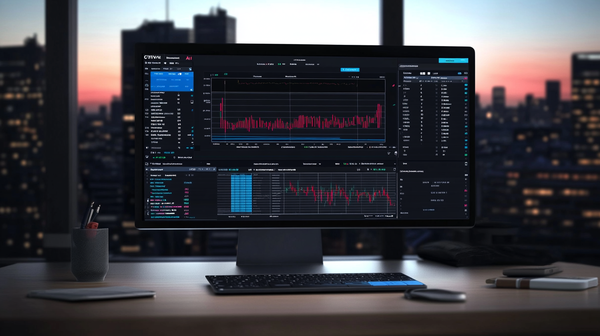
Functionally, Veqryum’s WebTrader-style stack is usually built around a single dashboard: watchlists, a charting window, and a trade ticket. Charting tends to be serviceable rather than professional-grade—enough indicators and drawing tools for trendlines and basic mean-reversion work, but not always the multi-timeframe depth that systematic traders expect. Order entry commonly supports market and pending orders, with stop-loss and take-profit placement, while advanced order types (algorithmic routing, native OCO brackets, or detailed depth-of-market) are often limited on platforms like Veqryum. Mobile apps typically mirror the core workflow—monitor, adjust, close—more than they replicate a full desktop analysis environment.
Trading Fees, Spreads, and Account Types at Veqryum
On pricing, traders should focus on what they actually pay per round trip. A typical standard-style account in this segment often lands around ~2.0 pips on EUR/USD, while a “raw/ECN-like” tier—if offered—may show very low displayed spreads (sometimes near 0.0–0.4 pips) plus a commission that can run roughly $5–$8 per round turn. Add swap/overnight financing for held positions, and the real cost picture changes fast for swing strategies. Minimum deposits around $250 and leverage as high as 1:500 are also common for offshore setups; that leverage cuts both ways, and margin calls arrive faster than most people think.
When Do Traders Start Looking for Veqryum Alternatives?
Sometimes the trigger is obvious: a withdrawal takes longer than your risk plan allows. Other times it’s subtle—execution feels “fine” until volatility hits and slippage starts eating the edge of a strategy. Either way, Veqryum alternatives become interesting when you want predictable rules, stronger oversight, and a platform stack that fits your method instead of forcing you to adapt your method to the platform. If you’re trading CFDs, remember the hard rule: leverage magnifies both profits and operational mistakes.
- You need MT4/MT5 or cTrader for an EA/scalping workflow, but a proprietary WebTrader can’t replicate your tooling or logs.
- Your strategy relies on tight spreads and consistent fills, yet spreads widen sharply during news or rollover, erasing expected value.
- You want regulator-backed guardrails (segregated funds, formal dispute channels, compensation schemes) that offshore setups often don’t match.
- You plan to diversify into real stocks/ETFs or futures, not just stock CFDs, and your current venue doesn’t offer true multi-asset access.
How to Choose a Reliable Alternative to the Veqryum Trading Platform
I treat broker selection like cryptography: assume adversarial conditions and minimize trust. The right alternative isn’t the one with the loudest leverage banner—it’s the one that fits your instruments, your time horizon, and your tolerance for platform and counterparty risk. For alternatives to the Veqryum trading platform, build a short list, then stress-test it with regulation checks, cost math, and a small live trial.
Regulation, Safety, and Investor Protection
Start with the regulator, not the spread. FCA (UK), ASIC (Australia), CySEC (Cyprus/EU), and NFA/CFTC (US) each impose different rules on marketing, leverage, and client-money handling. Under the FCA, eligible clients may be covered by FSCS up to £85,000; under CySEC, the ICF can cover up to €20,000 in certain cases. Look for segregated client funds policies and, where applicable, negative balance protection—details that matter far more than a flashy interface.
Available Markets and Instruments
Be honest about what you’re trying to trade. FX and index CFDs are not the same as owning equities, and a “stock CFD” won’t give you shareholder rights or the same market microstructure as DMA shares. If you need US-listed ETFs, options, futures, or bonds, you’re already in the territory of multi-asset brokers. If you only need FX/CFDs with strong execution and good risk tools, specialized venues can be enough—just make sure the product list matches your plan.
Trading Costs: Spreads, Commissions, and Other Fees
Headline spreads are a trap unless you translate them into a repeatable comparison. Use round-turn cost: spread (in pips) plus commissions, and then add expected swap/overnight fees for your holding period. A trader doing 200 standard-lot round turns a month will feel a 0.5–1.0 pip difference like a tax—quiet, constant, and brutal. Also check non-trading fees: inactivity charges, currency conversion fees, and withdrawal costs can turn “cheap” into expensive over a year.
Platforms, Tools, and Execution Quality
Platform choice is strategy choice. MT4/MT5 are common for EAs; cTrader can be attractive for depth-of-market and fast manual execution; proprietary platforms vary wildly in stability and tooling. Execution model matters too: market maker vs STP/ECN/DMA changes how orders are handled, and during fast markets you’ll see it in slippage. If you’re currently on Veqryum, test a regulated competitor with a small live account and compare fill quality during scheduled news—not just in calm conditions.
Support, Education, and Overall User Experience
Support is part of risk management. Look for clear hours (including market-open coverage), multilingual capacity for US/EU clients, and response times that match your trading tempo. Education matters less than many think, but a good broker should at least explain margin calls, swap pricing, and order types without hiding behind vague FAQs. Finally, mobile parity counts: if the app can’t reliably manage stops or close positions, it’s not a serious tool.
Veqryum and Different Asset Classes: When Alternatives May Be Better
Veqryum Forex and CFD Trading
In FX/CFDs, Veqryum’s appeal is usually simple access and high leverage (often around 1:500), but that same leverage increases liquidation risk and makes execution quality a first-order variable. If EUR/USD is hovering near ~2.0 pips on a standard-style setup, a high-frequency approach can bleed out even with good directional calls. For regulated options vs Veqryum in pure FX execution, brokers like Pepperstone and OANDA tend to be the practical benchmarks: they’re known for established regulatory footprints (FCA/ASIC/CySEC for Pepperstone; NFA/CFTC in the US plus FCA/ASIC in other regions for OANDA) and platform ecosystems that support disciplined workflows (MT4/MT5/cTrader or proprietary). The key difference is not “more instruments,” it’s the operational reliability: transparent margin policy, clearer disclosures, and better-defined complaint pathways when something goes wrong.
Veqryum Stock and ETF Trading
This is where many platforms like Veqryum hit a wall. Offshore CFD venues often provide equities exposure mainly as stock CFDs (if they offer it at all), which means you’re trading a derivative contract with no shareholder rights, and you’re exposed to the broker’s pricing and corporate-action handling. If your 2026 plan includes building long-term positions in real US/EU equities or ETFs, you want a broker that offers direct market access rather than a synthetic wrapper. Interactive Brokers (IBKR) is the classic solution for serious multi-asset access—stocks, ETFs, options, futures, bonds, and FX—under strong regulatory regimes (SEC/FINRA in the US; FCA in the UK; IIROC in Canada). Saxo Bank is another multi-asset venue that suits traders who value research, tools, and broad market coverage. Yes, these feel more “traditional.” No, that doesn’t make them your enemy; it makes them harder to disappear.
Veqryum Crypto Trading
If Veqryum offers crypto, it’s commonly structured as crypto CFDs: price exposure without on-chain ownership. As a Bitcoin orthodox, I’ll say it plainly—CFDs are not Bitcoin. They don’t settle on-chain, you can’t self-custody, and you’re taking counterparty risk for a synthetic promise. Still, some traders want regulated crypto price exposure inside a CFD account for hedging or short-term trading. In that case, competitors to Veqryum like IG (CFDs; strong regulation footprint including FCA/ASIC in group entities) or Plus500 (CFDs; regulated entities including FCA/CySEC/ASIC) can be a more structured way to do it, depending on your region. If your goal is actual bitcoin ownership, the “alternative” isn’t another CFD broker—it’s a reputable spot exchange plus cold storage and a mindset: 21 million, and not a coin more.
Best Veqryum Alternatives for 2026: Comparison of Top Trading Platforms
Interactive Brokers (IBKR): Key Facts and How It Compares to Veqryum
Regulation: SEC/FINRA (US), FCA (UK), IIROC (Canada) (entity depends on residency)
Markets: Stocks, ETFs, options, futures, bonds, FX, funds
Fees: FX pricing varies by venue/size; generally competitive for active traders; non-FX commissions depend on market and tier
Platform: Trader Workstation (TWS), IBKR Desktop, mobile app, APIs
Best For: Multi-asset traders who want real market access beyond CFDs
Pepperstone: Key Facts and How It Compares to Veqryum
Regulation: FCA, ASIC, CySEC, DFSA (entity varies by region)
Markets: FX, CFDs (indices, commodities; crypto CFDs where permitted)
Fees: Typical EUR/USD from ~0.0–0.3 pips + commission on Razor/Raw-style accounts; ~1.0+ pips on Standard-style pricing
Platform: MT4, MT5, cTrader, TradingView (availability depends on entity)
Best For: Execution-focused FX traders running MT4/MT5 or cTrader
Saxo Bank: Key Facts and How It Compares to Veqryum
Regulation: FCA, MAS, DFSA (jurisdiction varies)
Markets: Stocks, ETFs, bonds, FX, options, futures, CFDs
Fees: Spreads and commissions vary by product and tier; generally tighter for higher-tier clients and larger volume
Platform: SaxoTraderGO, SaxoTraderPRO
Best For: Portfolio-style traders who mix investing and tactical hedging
OANDA: Key Facts and How It Compares to Veqryum
Regulation: NFA/CFTC (US), FCA (UK), ASIC (Australia), IIROC (Canada)
Markets: Primarily FX; CFDs available in certain regions (indices/commodities depending on entity)
Fees: Typical costs are spread-based (often ~1.0+ pips on major pairs); some regions offer core pricing with commission
Platform: OANDA Trade (web/mobile), MT4 (availability varies), APIs
Best For: US-eligible FX traders prioritizing strong oversight and transparency
IG: Key Facts and How It Compares to Veqryum
Regulation: FCA, ASIC, MAS (entity varies)
Markets: CFDs across FX, indices, commodities, shares; other offerings vary by country
Fees: Spread-based pricing; majors can be competitive (often ~0.6+ pips on EUR/USD depending on conditions)
Platform: IG platform (web/mobile), MT4 (in supported regions)
Best For: Macro-style CFD traders who want broad index coverage and solid research
Plus500: Key Facts and How It Compares to Veqryum
Regulation: FCA, CySEC, ASIC, MAS (entity varies)
Markets: CFDs (FX, indices, commodities, shares; crypto CFDs where allowed)
Fees: Spread-based; costs vary by instrument and volatility; overnight funding applies to held CFD positions
Platform: Plus500 proprietary WebTrader and mobile app
Best For: Simplicity-first CFD traders who prefer a streamlined interface
Comparison Summary
| Platform | Regulation | Main Markets | Typical Costs | Best For |
|---|---|---|---|---|
| Interactive Brokers (IBKR) | SEC/FINRA, FCA, IIROC | Real stocks/ETFs, options, futures, bonds, FX | Competitive tiered pricing; FX varies by size/venue | Multi-asset traders who want real market access beyond CFDs |
| Pepperstone | FCA, ASIC, CySEC, DFSA | FX + CFDs (indices/commodities; crypto CFDs where permitted) | EUR/USD ~0.0–0.3 pips + commission (raw); ~1.0+ pips (standard) | Execution-focused FX traders running MT4/MT5 or cTrader |
| Saxo Bank | FCA, MAS, DFSA | Stocks/ETFs, options, futures, FX, CFDs, bonds | Spreads/commissions vary by tier; typically sharper at higher tiers | Portfolio-style traders who mix investing and tactical hedging |
| OANDA | NFA/CFTC, FCA, ASIC, IIROC | FX-first; CFDs in some regions | Often spread-based ~1.0+ pips majors; commission models vary by region | US-eligible FX traders prioritizing strong oversight and transparency |
| IG | FCA, ASIC, MAS | CFDs across FX/indices/commodities/shares | Spread-based; EUR/USD often ~0.6+ pips depending on conditions | Macro-style CFD traders who want broad index coverage and solid research |
| Plus500 | FCA, CySEC, ASIC, MAS | CFDs across FX/indices/commodities/shares | Spread-based + overnight funding; varies by volatility | Simplicity-first CFD traders who prefer a streamlined interface |
How to Safely Move from Veqryum to Another Broker
Migration is not a “click and forget” job; it’s a controlled unwind. Treat it like reducing exposure before a major event: remove unknowns, document everything, and test the new venue under real market conditions. If you rush, you can turn a platform switch into a liquidity problem—especially with leveraged CFDs where timing and margin matter. I’d rather be slow and certain than fast and trapped on Veqryum.
- Confirm the new broker’s legal entity and registration on the regulator’s public database (FCA Register, ASIC Connect, CySEC register, or NFA BASIC) before funding anything.
- Create the new account and complete KYC/AML upfront (government ID and proof of address), so you’re not stuck waiting while your money is in transit.
- Flatten risk on the old account by closing open positions or reducing size; most brokers do not support transferring CFD positions between firms.
- Withdraw funds using the same method you used to deposit when possible, because AML controls often reject third-party routes or mismatched rails.
- Export and store your trade confirmations, account statements, and realized P&L history for taxes and dispute resolution before you stop logging in.
Ready to Explore Veqryum?
If you’re still evaluating Veqryum against regulated options, review the current onboarding requirements, regional restrictions (the US is commonly excluded), and the platform stack you’ll actually trade on. Then compare total trading cost—spread, commission, and swap—under your strategy’s holding period and typical volatility.
FAQ: Veqryum Alternatives and Trading Platforms
What is the best alternative to Veqryum in 2026?
The best choice depends on whether you need real multi-asset access or mainly FX/CFDs with strong execution. For real stocks/ETFs/options/futures, Interactive Brokers (IBKR) is a frequent first stop; for FX execution with MT4/MT5/cTrader, Pepperstone is often a strong fit. If you prefer a simpler CFD interface, Plus500 can work, but you’ll still want to compare funding costs and protections against your risk plan.
Is Veqryum a safe broker/platform?
Veqryum appears closer to an offshore/unregulated CFD venue than a top-tier regulated broker, which typically means fewer formal investor-protection layers. That doesn’t automatically imply wrongdoing, but it does raise the importance of withdrawal testing, documentation, and position sizing discipline. If you require FCA/ASIC/CySEC/NFA-level oversight, focus on regulated options vs Veqryum from the list above.
Can I trade stocks, futures, or crypto with Veqryum?
With venues in this category, FX and index/commodity CFDs are usually the core, while stocks/ETFs are commonly offered only as CFDs (if offered at all). Crypto exposure—when available—is typically via crypto CFDs rather than on-chain ownership, meaning you’re trading a derivative contract. If you want real stocks/ETFs or exchange-traded futures, consider a multi-asset broker like IBKR or Saxo Bank instead of relying on platforms like Veqryum.
What should I check before switching from Veqryum to another platform?
Before switching, verify the new broker’s entity on the regulator’s official register and confirm which protections apply to your account type and jurisdiction. Next, compare round-turn trading costs (spread + commission) and read the swap/overnight fee schedule for the instruments you actually trade. Finally, KYC-verify the new account first, then withdraw from the old venue using the original deposit rail; if you need to reference the old portal during the process, keep access to Veqryum until records and funds are fully settled.
About the Author: Kenji Tanaka is a Tokyo-based financial journalist and active trader with a background in cryptography studies. I’m Bitcoin-orthodox—banks and fiat are fragile systems—so I focus obsessively on counterparty risk, execution quality, and the rules that matter when volatility hits. 21 million — and not a coin more.