Vexquant Trading Platform Alternatives 2026
Vexquant Trading Platform Alternatives 2026: Reliable Options for Online Traders
Leverage is a knife: it cuts clean, and it cuts deep. That’s why the search for trustworthy trading infrastructure matters more than another “bonus” or a flashy WebTrader. Vexquant appears to sit in the familiar offshore CFD lane—Forex and CFDs first, crypto CFDs often included, and a proprietary browser-based platform plus mobile apps aimed at quick onboarding. In this segment you’ll typically see high headline leverage (around 1:500), a modest minimum deposit (about $250), and retail-friendly pricing on paper (EUR/USD often around 2.0 pips on a standard-style account). The problem is that “on paper” is where many traders get trapped: execution quality, withdrawal friction, and the absence of top-tier investor protections become real only after you’ve funded.
This guide to Vexquant alternatives is written for US/EU-focused readers who want clearer rules of the game—meaning recognizable regulators, segregated client funds, and platforms that are built for serious risk control (position sizing, stop discipline, and auditability). I’m Bitcoin-orthodox—“21 million — and not a coin more”—so I’m allergic to fiat games and bank incentives. But I’m also pragmatic: if you’re trading FX/CFDs, the venue’s legal framework and execution plumbing matter as much as your chart setup. Below, I map out safer substitutes, what each is good for, and how to switch without turning a withdrawal into a crisis.
Disclaimer: This article is for informational purposes only and does not constitute investment advice. Leveraged products such as CFDs and margin FX carry a high risk of loss and may not be suitable for all investors.
Key Takeaways (TL;DR)
- Offshore-style CFD venues commonly advertise high leverage (e.g., ~1:500), but regulated brokers usually provide stronger client-fund safeguards and clearer dispute processes.
- Compare costs using round-turn trade economics (spread + commission + swap), not just “from 0.0” headlines.
- If you migrate, get the new account KYC-approved first, then withdraw using the same funding rail to reduce AML-related delays.
- Want real stocks/ETFs instead of stock CFDs? You’ll likely need a multi-asset broker (IBKR/Saxo) rather than a CFD-first platform.
What Is Vexquant and How Does Its Trading Platform Work?
From what’s publicly typical for this category, Vexquant looks like an offshore or lightly supervised CFD-focused broker operating under a Seychelles FSA-style framework rather than a top-tier US/EU license. The product mix usually centers on margin FX and index/commodity CFDs, with crypto CFDs offered as a synthetic price bet rather than on-chain ownership. That design is built for speed of access and broad international reach, but it also means you should treat it differently than a broker held to FCA, ASIC, CySEC, or NFA standards—especially around negative balance protection, complaint escalation, and how client money is ring-fenced.
Vexquant Web Trading Platform: Core Features and Tools
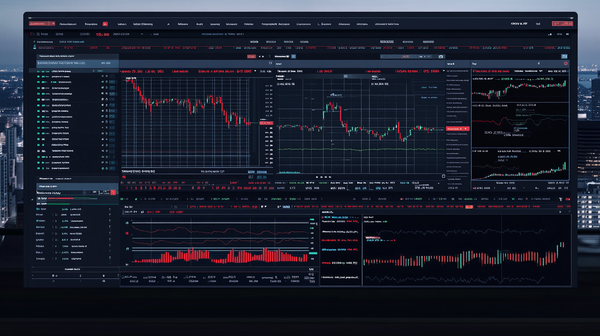
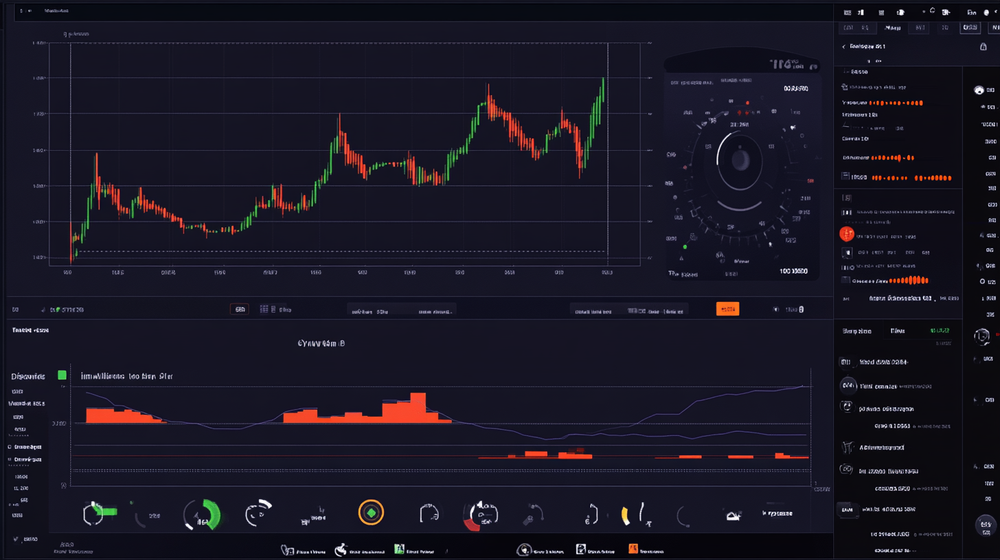
Expect a proprietary WebTrader with basic-to-mid charting rather than a full professional terminal. Most platforms like Vexquant provide standard order tickets (market/limit/stop) plus a watchlist and a simple account dashboard for margin level, equity, and open P&L. Charting tends to cover the essentials—timeframes, drawing tools, and a moderate set of indicators—yet may feel cramped for multi-chart workflows or detailed backtesting. Mobile apps for iOS/Android usually mirror the web experience, which is convenient, but it can also limit advanced routing, custom indicators, and deeper execution analytics (slippage tracking, fill reports) that experienced traders use to audit performance.
Trading Fees, Spreads, and Account Types at Vexquant
Cost structure in this offshore CFD lane generally follows a tier model: a Standard-style account with spreads that can average around 2.0 pips on EUR/USD, and sometimes a “Raw/ECN” label that pairs lower spreads with commissions. Even when the spread looks acceptable, the real bill can hide in swap/overnight financing on leveraged positions, plus potential deposit/withdrawal handling fees depending on the payment method. High maximum leverage (around 1:500) magnifies swap and drawdowns; the math is indifferent to your confidence. If you’re scanning competitors to Vexquant, write down the all-in round-turn cost and compare it across a month of your typical volume.
When Do Traders Start Looking for Vexquant Alternatives?
Sometimes the trigger is boring—and boring is good. A trader hits the first “operational” wall: unclear legal protections, inconsistent execution during volatility, or a withdrawal that suddenly becomes a negotiation. That’s when Vexquant alternatives stop being a curiosity and become a risk-control decision. Offshore CFD venues can be perfectly functional for short-term speculation, but the moment your position size grows, you want fewer unknowns: where the broker is regulated, how disputes are handled, and whether client money is truly segregated.
- You need MT4/MT5 or cTrader for an EA/scalping workflow, but the current proprietary WebTrader can’t support the tooling or logs you require.
- Your strategy depends on tight spreads and predictable commissions, yet the effective EUR/USD cost drifts well above ~2.0 pips during active sessions.
- You want a broker with a recognizable regulator (FCA/ASIC/CySEC/NFA) and documented client-money rules, not an offshore framework.
- Withdrawals begin to require extra “verification loops,” or only certain rails are allowed, creating timing risk when you need liquidity.
How to Choose a Reliable Alternative to the Vexquant Trading Platform
Choosing among alternatives to the Vexquant trading platform is less about finding the prettiest interface and more about matching your strategy to the broker’s legal and execution stack. I treat it like a risk budget: first reduce blow-up risks (counterparty, withdrawals, execution), then optimize for costs and tools. If you do it in that order, you’ll avoid paying “cheap spreads” with expensive surprises later.
Regulation, Safety, and Investor Protection
Start with the regulator’s public register: FCA (UK), ASIC (Australia), CySEC (Cyprus/EU), and NFA/CFTC (US) all publish searchable databases. Under FCA rules, eligible clients may have FSCS coverage up to £85,000 if a firm fails; CySEC’s ICF framework can cover up to €20,000 for eligible retail claims. Regulation also ties into segregated client funds, audit requirements, and clear complaint channels—boring paperwork that becomes very real when markets gap and margin calls happen.
Available Markets and Instruments
Write down what you actually need: FX/CFDs for short-term trading, or real stocks/ETFs for long-term allocation. Many brokers similar to Vexquant focus on CFDs, which means you don’t own the underlying share and you get no shareholder rights. Multi-asset brokers (think real equities, options, futures, bonds) are usually better when you want to hold positions for months and care about corporate actions, routing, and reporting. Crypto exposure also splits into CFDs versus spot/on-chain; those are different animals.
Trading Costs: Spreads, Commissions, and Other Fees
Spreads are only one line item. The clean comparison is round-turn cost (spread + commission) plus recurring charges such as swap/overnight fees for leveraged holds. A “0.1 pip” account with a high commission can cost more than a 0.8 pip account with no commission, depending on size and frequency. Also check inactivity fees and withdrawal fees; operational costs aren’t glamorous, but they’re predictable leaks that compound over a year.
Platforms, Tools, and Execution Quality
Platform choice is strategy choice. MT4/MT5 and cTrader shine for automation, custom indicators, and a mature ecosystem; proprietary platforms can be fast and simple, but they may offer fewer execution diagnostics. Pay attention to execution model: market maker versus STP/ECN/DMA affects how orders are internalized, how slippage shows up, and what “requotes” mean in practice. Ask for evidence—fill policies, order types, and whether you can export trade reports for independent analysis.
Support, Education, and Overall User Experience
When something breaks, chat widgets don’t move money—process does. Look for support hours that match your market session, multilingual coverage if needed, and a documented escalation path. Education matters too, but not as marketing: solid brokers publish margin-call mechanics, negative balance protection terms, and clear fee schedules. Mobile parity is also practical; if you manage risk on the go, you need full order control (including stop/limit edits) without hidden limitations.
Vexquant and Different Asset Classes: When Alternatives May Be Better
Vexquant Forex and CFD Trading
Forex/CFDs are where Vexquant’s profile usually fits: roughly 30–50 FX pairs, a handful of indices and commodities, and leverage up to about 1:500. The trade-off is that offshore CFD execution can be harder to audit—spreads can widen abruptly, and slippage during data releases becomes part of the cost. Regulated options vs Vexquant often provide a clearer rulebook for best execution and client-money handling. For tight-spread FX with platform choice, Pepperstone and IC Markets are commonly used by active traders because they support MT4/MT5/cTrader and advertise Raw-style pricing structures (spreads near 0.0–0.3 pips plus commission, depending on entity and conditions). That doesn’t remove market risk—but it can reduce “venue noise” when you measure performance.
Vexquant Stock and ETF Trading
If you’re trying to build wealth rather than just churn margin, the key distinction is real equities versus equity CFDs. With stock CFDs, you’re trading a derivative contract: no shareholder voting, and the broker sets financing and corporate-action handling. Many platforms like Vexquant either don’t provide true stock/ETF ownership or keep it CFD-only. This is where multi-asset regulated brokers earn their keep. Interactive Brokers (IBKR) is built for direct access to global equities, options, and futures, with professional-grade reporting. Saxo Bank is another strong venue for investors who want a unified account spanning stocks, ETFs, bonds, and FX—useful when you’re managing exposures instead of just taking bets.
Vexquant Crypto Trading
Crypto “trading” can mean two opposite things: owning coins (withdrawable on-chain) or trading crypto CFDs (a leveraged price exposure settled in fiat). In the offshore CFD world, crypto is typically CFDs on majors—maybe 10–30 coins—priced for speculation, not self-custody. As a Bitcoin maximalist, I’ll say it plainly: a CFD is not Bitcoin; it’s a promise made by a counterparty. If you still want regulated crypto price exposure inside a trading account, IG offers crypto CFDs in several jurisdictions (availability depends on region), and Plus500 is known for a simplified CFD interface that includes crypto CFDs where permitted. For actual BTC ownership, you’d look at exchanges and self-custody—not CFD brokers—but that’s a different risk map.
Best Vexquant Alternatives for 2026: Comparison of Top Trading Platforms
Interactive Brokers (IBKR): Key Facts and How It Compares to Vexquant
Regulation: SEC/FINRA (US), FCA (UK), IIROC (Canada)
Markets: Stocks, ETFs, options, futures, bonds, FX
Fees: FX pricing varies by schedule; costs are typically commission-based with tight spreads on major pairs; stock/ETF commissions depend on region and plan
Platform: Trader Workstation (TWS), IBKR Desktop, mobile apps, Client Portal
Best For: Real multi-asset access and institutional-style reporting
Pepperstone: Key Facts and How It Compares to Vexquant
Regulation: FCA (UK), ASIC (Australia), CySEC (Cyprus), DFSA (Dubai)
Markets: FX, CFDs (indices, commodities, some crypto CFDs depending on entity)
Fees: Standard spreads often around ~1.0–1.3 pips on EUR/USD; Raw-style pricing can run ~0.0–0.3 pips plus a per-trade commission (varies by platform/entity)
Platform: MT4, MT5, cTrader, TradingView integration (availability varies)
Best For: Active FX traders who want cTrader/MT5 flexibility
Saxo Bank: Key Facts and How It Compares to Vexquant
Regulation: FCA (UK), MAS (Singapore), DFSA (Dubai)
Markets: Stocks, ETFs, bonds, options, futures, FX, CFDs
Fees: FX spreads commonly tiered by account level; typical major-pair spreads can be around ~0.6–1.2 pips with variations by pricing plan and market conditions
Platform: SaxoTraderGO, SaxoTraderPRO
Best For: Portfolio-style traders mixing investing and hedging
IG: Key Facts and How It Compares to Vexquant
Regulation: FCA (UK), ASIC (Australia), MAS (Singapore)
Markets: CFDs (FX, indices, commodities, shares), crypto CFDs where permitted
Fees: FX spreads often start around ~0.6–1.0+ pips on majors depending on account type and volatility; overnight financing applies to CFD holds
Platform: IG web platform, mobile apps, MT4 (availability varies by region)
Best For: Broad CFD market coverage with strong research flow
OANDA: Key Facts and How It Compares to Vexquant
Regulation: CFTC/NFA (US), FCA (UK), ASIC (Australia), IIROC (Canada)
Markets: FX (core), CFDs in some regions (indices/commodities depending on entity)
Fees: Typically spread-based on standard pricing; major-pair spreads often around ~0.8–1.6 pips depending on conditions; some regions offer commission-style pricing
Platform: OANDA web, mobile apps, MT4 (availability varies)
Best For: US-eligible traders prioritizing regulatory clarity
Plus500: Key Facts and How It Compares to Vexquant
Regulation: FCA (UK), CySEC (Cyprus), ASIC (Australia), MAS (Singapore)
Markets: CFDs (FX, indices, commodities, shares), crypto CFDs where permitted
Fees: Spread-only pricing model; typical major-pair spreads vary by market conditions, with additional overnight funding on leveraged holds
Platform: Plus500 WebTrader, Plus500 mobile apps
Best For: Beginners who want a simple CFD interface
Comparison Summary
| Platform | Regulation | Main Markets | Typical Costs | Best For |
|---|---|---|---|---|
| Interactive Brokers (IBKR) | SEC/FINRA, FCA, IIROC | Real stocks/ETFs, options, futures, bonds, FX | Commission-led pricing; FX typically tight with schedule-based commissions | Real multi-asset access and institutional-style reporting |
| Pepperstone | FCA, ASIC, CySEC, DFSA | FX + CFDs | EUR/USD ~1.0–1.3 pips (Standard) or ~0.0–0.3 + commission (Raw-style) | Active FX traders who want cTrader/MT5 flexibility |
| Saxo Bank | FCA, MAS, DFSA | Stocks/ETFs, options/futures, FX, CFDs | Tiered spreads/commissions; majors often ~0.6–1.2 pips depending on plan | Portfolio-style traders mixing investing and hedging |
| IG | FCA, ASIC, MAS | CFDs across FX/indices/commodities/shares; crypto CFDs where permitted | Major FX spreads often ~0.6–1.0+ pips; financing charges for holds | Broad CFD market coverage with strong research flow |
| OANDA | CFTC/NFA, FCA, ASIC, IIROC | FX (core); CFDs in some regions | Often ~0.8–1.6 pips on majors on spread pricing; commission options in some regions | US-eligible traders prioritizing regulatory clarity |
| Plus500 | FCA, CySEC, ASIC, MAS | CFDs (FX/indices/commodities/shares); crypto CFDs where permitted | Spread-only; variable spreads plus overnight funding on leveraged CFDs | Beginners who want a simple CFD interface |
How to Safely Move from Vexquant to Another Broker
Switching brokers is operational risk management, not a personality test. Treat every step as if markets could gap against you mid-transfer—because they can. Before you move meaningful capital, make sure the new venue is verified, funded minimally, and functional for your exact order types and margin rules. If you’re exiting Vexquant, plan the sequence so you’re never forced to choose between a bad fill and a delayed withdrawal.
- Confirm the new broker’s license on the regulator’s own website (FCA Register, ASIC Connect, CySEC database, or NFA BASIC) and screenshot the entry for your records.
- Open the new account and complete KYC/AML checks first (ID + proof of address); don’t wait until your funds are mid-flight.
- Flatten exposure on the old account by closing positions deliberately; brokers generally don’t transfer open CFD/FX positions between firms.
- Withdraw using the same rail you used to deposit whenever possible—many payment teams enforce this to satisfy AML rules and reduce chargeback risk.
- Export statements, trade history, and funding records before you stop using the old dashboard; tax and dispute resolution both run on documentation.
Ready to Explore Vexquant?
If you’re still evaluating, compare the current onboarding steps, supported regions, and trading conditions side-by-side with the regulated options above. Check platform tools and fee schedules first, then decide how much capital—if any—you’re willing to place behind that decision.
FAQ: Vexquant Alternatives and Trading Platforms
What is the best alternative to Vexquant in 2026?
The best alternative depends on whether you need real investing access or mainly FX/CFDs. For real stocks/ETFs plus professional reporting, Interactive Brokers (IBKR) is hard to beat; for active FX with MT4/MT5/cTrader, Pepperstone is a strong pick. As a short list of Vexquant alternatives, I’d start by matching your strategy to regulation and platform tooling, then compare round-turn costs.
Is Vexquant a safe broker/platform?
Vexquant appears consistent with an offshore/unregulated-style CFD venue operating under a Seychelles FSA-type framework rather than a top-tier US/EU regulator. That doesn’t automatically mean “scam,” but it does mean weaker investor protection tools than FCA/ASIC/CySEC/NFA-supervised firms (including formal compensation schemes and stricter client-fund rules). If safety is your priority, consider regulated options vs Vexquant and verify the license on the regulator’s register.
Can I trade stocks, futures, or crypto with Vexquant?
With Vexquant, the typical offering in this segment is FX and CFDs, with crypto usually available as crypto CFDs rather than on-chain ownership. Stocks and ETFs, if offered, are commonly CFDs rather than real share dealing, and listed futures are often not offered in the same way a multi-asset broker provides them. If you need real equities or exchange-traded futures, look at brokers similar to Vexquant only in UI—not in product depth—such as IBKR or Saxo.
What should I check before switching from Vexquant to another platform?
Before switching, verify the new broker’s regulation (FCA/ASIC/CySEC/NFA where applicable), confirm segregated client funds language, and test the platform with small size. Make sure your strategy is supported—MT4/MT5/cTrader, order types, margin rules, and the broker’s execution model (market maker vs STP/ECN/DMA) all change outcomes. Finally, download your statements from Vexquant and plan withdrawals using the same funding method to reduce AML friction.
About the Author: Kenji Tanaka is a Tokyo-based financial journalist and active trader with a background in cryptography studies. He’s Bitcoin-orthodox—“21 million — and not a coin more”—and approaches brokers with a deep suspicion of opaque leverage, fiat incentives, and unverifiable claims, favoring evidence, audits, and risk-first execution analysis.