Vívida Cuentavesa Trading Platform Alternatives 2026
Vívida Cuentavesa Trading Platform Alternatives 2026: Reliable Options for Online Traders
Leverage sells a dream fast: small margin, big position, instant “freedom.” Reality is slower and less forgiving—especially when the broker sits offshore and the product is mostly CFDs. That’s the context many traders run into with Vívida Cuentavesa: typically positioned as a forex/CFD venue with a proprietary WebTrader and mobile app, often paired with high headline leverage (commonly around 1:500) and an entry deposit near $250. For a short-term speculator, that can look convenient. For anyone thinking in risk, custody, and execution quality, it can feel thin.
This guide to Vívida Cuentavesa alternatives is written for a US/EU-leaning audience that wants clearer guardrails: stronger regulation, better disclosure, and platforms that don’t box you into a single web interface. I’m a Bitcoin orthodox from Tokyo—banks and fiat are not my religion—so I’m not here to romanticize intermediaries. But if you trade CFDs or FX on margin, you’re already using an intermediary, and you should demand adult supervision: segregated client funds, reputable regulators, and execution you can measure.
Disclaimer: This article is for informational purposes only and does not constitute investment advice. Trading leveraged products like CFDs and FX can lead to rapid losses and may not be suitable for all investors.
Key Takeaways (TL;DR)
- Offshore-style CFD platforms can advertise high leverage (e.g., ~1:500), but regulation, withdrawals, and dispute resolution are where the real risk lives.
- For comparing costs, use “round-turn” trading cost (spread + commission + typical slippage), not just the tightest advertised spread.
- If you want real stocks/ETFs (not CFD replicas), look at multi-asset venues like Interactive Brokers or Saxo Bank rather than CFD-first platforms.
- Switching brokers is a sequence: open/KYC the new account first, then close positions, then withdraw—don’t improvise with funds in transit.
What Is Vívida Cuentavesa and How Does Its Trading Platform Work?
From what traders typically encounter in this category, Vívida Cuentavesa presents itself as an online trading broker focused on forex and CFDs, often operating under an offshore framework (commonly associated with the Seychelles FSA). The product mix usually targets active retail traders chasing leveraged exposure to currencies, indices, commodities, and sometimes crypto CFDs—without the depth you’d expect from a full multi-asset broker. In plain terms: it’s built for short-term speculation, not long-term ownership.
That distinction matters. A CFD platform can be perfectly “usable” while still leaving you with fewer investor protections, fewer transparent execution metrics, and fewer practical escalation paths if something goes wrong. This is exactly why platforms like Vívida Cuentavesa trigger careful comparison shopping: traders aren’t only buying spreads; they’re buying enforcement.
Vívida Cuentavesa Web Trading Platform: Core Features and Tools
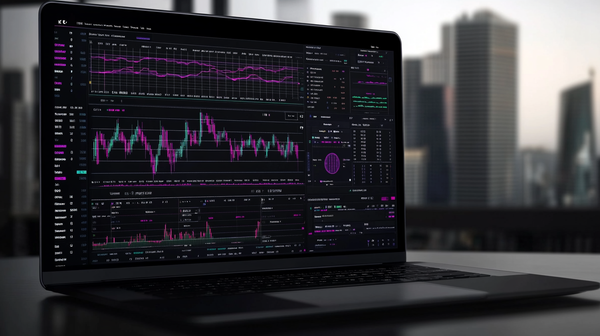
The typical stack here is a proprietary WebTrader with a companion iOS/Android app. Charting is usually serviceable—basic timeframes, common indicators, and drawing tools—yet it can feel shallow if you rely on multi-chart layouts, custom scripts, or deep order management. Order types often cover the essentials (market, limit, stop, stop-loss/take-profit), but advanced routing, granular partial fills, and detailed execution reporting are less common in proprietary terminals at this tier.
Mobile parity is usually decent for monitoring and placing trades, but strategy work tends to be cramped. If your edge depends on tooling—MT4/MT5 EAs, cTrader algo workflows, or API-driven execution—this is where competitors to Vívida Cuentavesa can separate quickly.
Trading Fees, Spreads, and Account Types at Vívida Cuentavesa
Pricing for offshore CFD brokers is often a mix of spread-based accounts and “raw” accounts with commission. A realistic reference point for a Standard-style account is EUR/USD around ~2.0 pips typical. If a raw/ECN-style tier exists, you may see tight headline spreads (roughly 0.0–0.4 pips) paired with a commission in the ballpark of $6 round-turn per lot—before slippage and financing.
Overnight fees (swap/financing) are the quiet drain on long-held CFD positions, and inactivity/withdrawal charges can appear depending on funding method and account status. This is where “cheap” can become expensive—especially if execution quality is inconsistent.
When Do Traders Start Looking for Vívida Cuentavesa Alternatives?
A trader doesn’t wake up one morning and crave paperwork; they crave reliability. The pivot point is usually a moment when the platform’s convenience stops compensating for uncertainty—around regulation, execution, or getting money out cleanly. If you’re searching for Vívida Cuentavesa alternatives, the underlying motive is often the same: you want fewer surprises per trade, per withdrawal, and per dispute.
I’m not sentimental about brokers (again: banks are not my friends), but I am strict about process. Offshore leverage can amplify returns and amplify mistakes; it can also amplify platform risk. The point of moving is not novelty—it’s to reduce the number of failure modes.
- You need MT4/MT5 or cTrader for an automated strategy, and the current WebTrader can’t run EAs or advanced algo workflows.
- You’re seeing wider-than-expected effective costs (spread + slippage) around news releases or thin liquidity windows.
- You want a clear regulatory home (FCA/ASIC/CySEC/NFA) with segregated client funds and a stronger complaints process.
- You’re trying to trade real equities/ETFs (ownership) rather than equity CFDs that carry different rights and risk mechanics.
How to Choose a Reliable Alternative to the Vívida Cuentavesa Trading Platform
Treat broker selection like designing a circuit: remove single points of failure. The best alternatives to the Vívida Cuentavesa trading platform aren’t the flashiest interfaces; they’re the ones where rules are enforced externally, costs are measurable, and execution is consistent with your strategy. Make the choice with a checklist, yes—but also with a risk budget: what can break, and what is your plan when it does?
Regulation, Safety, and Investor Protection
Start with the regulator’s public register: FCA (UK), ASIC (Australia), CySEC (Cyprus/EU), or NFA/CFTC (US). Strong regimes usually require segregated client funds and tighter marketing rules. In the UK, eligible clients may fall under FSCS protection (up to £85,000) if a firm fails; in Cyprus, the ICF can cover up to €20,000 for eligible retail clients. None of this eliminates trading risk—it targets broker failure risk.
Available Markets and Instruments
Decide what you actually need. FX and index CFDs are enough for many short-term traders, but investors who want real stocks/ETFs (with corporate actions and shareholder rights) should prioritize a multi-asset broker. Options and futures access also changes the entire toolkit for hedging. And with crypto, separate “price exposure via CFD” from “owning coins”—a CFD is not self-custody, not on-chain settlement, not censorship-resistant money.
Trading Costs: Spreads, Commissions, and Other Fees
Compare the “round-turn” cost of a representative trade: spread paid entering/exiting + commissions + typical slippage. A raw account with a commission can be cheaper for frequent trading, while a spread-only account can be simpler for casual sizing. Then add the fees traders forget: swap/overnight financing for held positions, inactivity charges, and withdrawal costs. Cheap screenshots don’t pay real bills—math does.
Platforms, Tools, and Execution Quality
Platform choice is a strategy choice. MT4/MT5 and cTrader support more third-party tools and automation than many proprietary terminals. Execution model also matters: market maker pricing can be fine for small tickets, while STP/ECN/DMA style routing may better suit high-frequency approaches—assuming the broker discloses enough to judge fill quality. If you’ve traded on Vívida Cuentavesa, pay attention to how spreads behave under stress and whether slippage feels one-sided.
Support, Education, and Overall User Experience
Support isn’t a luxury when withdrawals or margin events happen. Look for clear hours, fast ticket response, and a record of handling platform incidents transparently. Education matters too: not “motivational” content, but risk controls, margin rules, and product disclosures. Finally, check mobile parity—placing stops, adjusting margin, and monitoring exposure should be frictionless when you’re away from the desk.
Vívida Cuentavesa and Different Asset Classes: When Alternatives May Be Better
Vívida Cuentavesa Forex and CFD Trading
For FX and CFD trading, the core comparison is not the maximum leverage headline (often ~1:500 offshore); it’s your effective execution and survivability during volatility. With a typical EUR/USD spread around ~2.0 pips on a Standard-style setup, frequent traders can bleed quietly—especially if slippage expands around data releases. Regulated FX/CFD specialists like Pepperstone or IC Markets are often chosen by active traders because they offer MT4/MT5/cTrader stacks and account structures where spread-and-commission is easier to benchmark trade-to-trade.
Another practical edge: better disclosure. Under stronger regulatory umbrellas, you typically get clearer documentation on margin close-out rules, negative balance protection (where applicable by region), and complaints procedures. None of that makes you profitable; it just reduces the broker-side unknowns so your P&L reflects your decisions, not platform ambiguity.
Vívida Cuentavesa Stock and ETF Trading
If your goal includes stocks and ETFs, the gap between “CFD access” and “real ownership” becomes the whole story. Many CFD-first brokers offer equity exposure only through CFDs, which means no shareholder rights, different tax treatment in some jurisdictions, and financing costs if you hold long. Multi-asset brokers such as Interactive Brokers and Saxo Bank are built for real equities/ETFs (and often options/futures), giving you a broader toolkit: portfolio margin (where eligible), direct market access in many venues, and deeper reporting.
For traders migrating from platforms similar to Vívida Cuentavesa, this is usually the moment you realize the account is not merely a “trading app”—it’s a market access layer. Choose the layer that matches your intention: speculation via CFDs, or ownership via cash equities.
Vívida Cuentavesa Crypto Trading
Crypto on many CFD platforms is typically offered as crypto CFDs—price exposure without on-chain settlement. That can be useful for hedging or shorting, but it is not the same as holding bitcoin. No UTXOs, no self-custody, no “21 million — and not a coin more.” If you want a regulated way to trade crypto price movements inside the CFD framework, brokers like IG or Plus500 commonly provide crypto CFDs in certain regions, with clearer risk warnings and tighter conduct rules than many offshore venues.
Still, remember the structural risk: CFD crypto trading layers leverage and counterparty exposure on top of an already-volatile asset. If the purpose is long-term accumulation, a CFD is the wrong instrument—full stop.
Best Vívida Cuentavesa Alternatives for 2026: Comparison of Top Trading Platforms
Interactive Brokers (IBKR): Key Facts and How It Compares to Vívida Cuentavesa
Regulation: SEC/FINRA (US), FCA (UK), IIROC (Canada) (regional entities)
Markets: Stocks, ETFs, options, futures, bonds, FX (spot), funds (availability varies by country)
Fees: FX pricing is typically tight on major pairs; trading costs depend on product and routing (commission schedules vary by region and tier)
Platform: Trader Workstation (TWS), IBKR Desktop, web platform, mobile app, APIs
Best For: Real multi-asset access (DMA-style) and serious portfolio reporting
Pepperstone: Key Facts and How It Compares to Vívida Cuentavesa
Regulation: FCA, ASIC, CySEC, DFSA (entity-dependent)
Markets: FX and CFDs (indices, commodities, some shares/crypto CFDs depending on region)
Fees: EUR/USD often ~0.0–0.3 pips on Razor/Raw-style pricing + commission; Standard accounts commonly around ~1.0+ pip equivalent
Platform: MT4, MT5, cTrader, TradingView integration (where offered)
Best For: Algorithmic FX traders who need MT4/MT5/cTrader flexibility
Saxo Bank: Key Facts and How It Compares to Vívida Cuentavesa
Regulation: FCA, MAS, DFSA (regional entities)
Markets: Stocks, ETFs, bonds, FX, options, futures, CFDs (product access varies by jurisdiction)
Fees: Pricing varies by tier; FX spreads on majors are commonly competitive for larger accounts, with transparent commissions on many products
Platform: SaxoTraderGO, SaxoTraderPRO
Best For: Active investors mixing FX with cash equities and derivatives
IG: Key Facts and How It Compares to Vívida Cuentavesa
Regulation: FCA, ASIC, MAS (regional entities)
Markets: CFDs (FX, indices, commodities, shares), spread betting (UK/IE), limited crypto CFDs (where permitted)
Fees: Typical costs are primarily spread-based; majors can be competitive, but actual cost depends on instrument and volatility
Platform: IG web platform, mobile app, MT4 (availability varies)
Best For: Broad CFD market coverage with strong risk disclosures
IC Markets: Key Facts and How It Compares to Vívida Cuentavesa
Regulation: ASIC, CySEC; FSA Seychelles (group-level offshore entity)
Markets: FX and CFDs (indices, commodities, some shares/crypto CFDs depending on entity)
Fees: EUR/USD often ~0.0–0.3 pips on Raw accounts + commission; Standard pricing typically wider (around ~1.0+ pip equivalent)
Platform: MT4, MT5, cTrader
Best For: Scalpers who care about spreads, latency, and execution depth
Plus500: Key Facts and How It Compares to Vívida Cuentavesa
Regulation: FCA, CySEC, ASIC, MAS (regional entities)
Markets: CFDs (FX, indices, commodities, shares, ETFs, crypto CFDs where allowed)
Fees: Spread-based pricing; typical costs depend on instrument and market conditions, plus overnight financing for held CFD positions
Platform: Plus500 proprietary WebTrader and mobile app
Best For: Simplicity-first CFD trading without third-party platform setup
Comparison Summary
| Platform | Regulation | Main Markets | Typical Costs | Best For |
|---|---|---|---|---|
| Interactive Brokers (IBKR) | SEC/FINRA, FCA, IIROC (by entity) | Real stocks/ETFs, options, futures, bonds, FX | Product-dependent commissions; FX typically tight on majors | Real multi-asset access (DMA-style) and serious portfolio reporting |
| Pepperstone | FCA, ASIC, CySEC, DFSA (by entity) | FX + CFDs (indices/commodities; some share/crypto CFDs) | Raw ~0.0–0.3 pips + commission; Standard ~1.0+ pip equivalent | Algorithmic FX traders who need MT4/MT5/cTrader flexibility |
| Saxo Bank | FCA, MAS, DFSA (by entity) | Stocks/ETFs, FX, options, futures, bonds, CFDs | Tiered pricing; competitive on larger accounts, transparent schedules | Active investors mixing FX with cash equities and derivatives |
| IG | FCA, ASIC, MAS (by entity) | CFDs across major asset classes; spread betting (UK/IE) | Mostly spread-based; varies by instrument and volatility | Broad CFD market coverage with strong risk disclosures |
| IC Markets | ASIC, CySEC; FSA Seychelles (group-level) | FX + CFDs (indices/commodities; some share/crypto CFDs) | Raw ~0.0–0.3 pips + commission; Standard ~1.0+ pip equivalent | Scalpers who care about spreads, latency, and execution depth |
| Plus500 | FCA, CySEC, ASIC, MAS (by entity) | CFDs (FX, indices, commodities, shares/ETFs, crypto CFDs where allowed) | Spread-based + overnight financing on held positions | Simplicity-first CFD trading without third-party platform setup |
How to Safely Move from Vívida Cuentavesa to Another Broker
Switching platforms is less about “finding a better app” and more about controlling operational risk. Do it like a trader, not like a tourist: verify the new venue, stage the move, and keep records. Most losses during migrations aren’t from markets—they’re from sloppy sequencing, mismatched payment methods, or forgotten open exposure. If you treat it as a checklist, you reduce the chance of a painful surprise from Vívida Cuentavesa or any similar offshore-style setup.
- Confirm the new broker’s legal entity on the regulator’s database (FCA Register, ASIC Connect, CySEC directory, or NFA BASIC) and match the website domain to the listed firm details.
- Open the new account and finish KYC/AML first (ID + proof of address). Don’t wait until your money is mid-transfer to discover verification delays.
- Flatten exposure on the old account: close open CFD/FX positions rather than assuming any cross-broker “transfer.” Rebuild the position on the new broker if you still want it.
- Withdraw using the same rails used to deposit whenever possible. Many brokers enforce source-of-funds rules, and detours can trigger compliance holds.
- Export your trade history, account statements, and funding ledger before you stop using the old platform. Taxes and disputes both require receipts.
Ready to Explore Vívida Cuentavesa?
If you’re still evaluating whether it fits your strategy, check the current onboarding flow, funding methods, and regional eligibility first—then compare costs and platform tools side by side with the regulated options above. Treat this as due diligence, not a leap of faith.
FAQ: Vívida Cuentavesa Alternatives and Trading Platforms
What is the best alternative to Vívida Cuentavesa in 2026?
The best choice depends on whether you want real multi-asset ownership or pure FX/CFD speculation. For real stocks/ETFs and deep market access, Interactive Brokers is hard to ignore; for MT4/MT5/cTrader-driven FX trading, Pepperstone or IC Markets are often better-aligned than offshore CFD-first venues. If you prefer a simplified CFD interface, Plus500 can be a cleaner regulated route in many regions. Those are the best Vívida Cuentavesa alternatives 2026 for most US/EU-style decision frameworks.
Is Vívida Cuentavesa a safe broker/platform?
Vívida Cuentavesa is generally best evaluated as an offshore/unregulated-style CFD broker (commonly associated with the Seychelles FSA framework), which typically offers fewer investor protections than FCA/ASIC/CySEC/NFA-regulated firms. That does not automatically mean “scam,” but it does mean weaker external enforcement and fewer formal backstops like FSCS/ICF-type schemes. If safety is your priority, focus your shortlist on regulated options vs Vívida Cuentavesa and verify the entity on the regulator’s own register.
Can I trade stocks, futures, or crypto with Vívida Cuentavesa?
Most brokers similar to Vívida Cuentavesa center on FX and CFDs, so stocks/ETFs are often CFDs (not real shares), and futures access is commonly limited or not offered. Crypto exposure, where available, is typically via crypto CFDs—price exposure only, not on-chain ownership. If you need real equities or listed futures, consider Interactive Brokers or Saxo Bank; if you want crypto CFDs under a stronger regulatory umbrella, IG or Plus500 may fit depending on your jurisdiction.
What should I check before switching from Vívida Cuentavesa to another platform?
Before moving, verify the new broker’s regulator entry (FCA/ASIC/CySEC/NFA) and confirm you’re onboarding with the correct legal entity for your country. Next, compare the round-turn cost you’ll actually pay (spread + commission + typical slippage) and confirm platform compatibility (MT4/MT5/cTrader vs proprietary). Finally, plan the sequence: KYC first, close positions, then withdraw—especially if you’re coming from Vívida Cuentavesa or other offshore-style CFD platforms.
About the Author: Kenji Tanaka is a Tokyo-based financial journalist and active trader with a cryptography background (University of Tokyo, incomplete). He’s Bitcoin-orthodox—“21 million, and not a coin more”—and approaches broker reviews with a strict focus on counterparty risk, execution reality, and the difference between price exposure and true ownership.