Wexmont Review 2026: Is It Safe & Worth Your Money?
Wexmont Review 2026: Pros, Cons, and Features Tested
| Min Deposit | $200 |
| Max Leverage | 1:500 |
| Assets | Forex, Crypto CFDs, Commodities, Indices, Share CFDs |
| Platforms | WebTrader + iOS/Android apps |
A multi-asset CFD broker like Wexmont fits traders who want leverage and quick market access, with the headline trade-off being an offshore-style framework rather than top-tier supervision. On my test account, the menu split cleanly into a spread-only Standard tier and a tighter Raw/ECN-style tier with commission, which changes your real cost depending on position size. Markets skew practical: majors in FX, headline indices, gold/oil, plus crypto CFDs for the “always-on” crowd. The WebTrader is the center of gravity and the mobile apps mirror most functions, but you shouldn’t expect a full MT4/MT5 plugin universe. If you want to poke around first, start on Wexmont with a demo and treat the leverage dial with respect.
Pros
- Two fee styles (spread-only and Raw/ECN-style) let you match costs to your trade frequency
- Solid multi-asset coverage for a single CFD account (FX, indices, metals, crypto CFDs)
- Mobile workflow includes funding/withdrawal controls and watchlists, not just charts
Cons
- Offshore registration model means fewer formal dispute paths than Tier-1 regulated brokers
- Inactivity charge can appear after a period without trading
- MT4/MT5 availability isn’t something I’d treat as confirmed—plan around WebTrader first
Is Wexmont Legit and Safe?
Wexmont looks operational and tradeable rather than a “vanish overnight” setup, but it’s not the same thing as Tier‑1 regulated safety. I was able to complete KYC, place orders, and process a withdrawal; the caveat is the lighter offshore oversight that comes with that convenience.
What shaped my “is Wexmont legit” view was the paper trail and the behavior: the broker presents itself under a Mauritius FSC offshore registration approach, which typically allows higher leverage and faster product rollout, but offers weaker investor compensation schemes and less muscle for escalations if a dispute turns ugly. During my test window, I looked for the classic red flags—fake trophy badges, aggressive “account manager” pressure, and withdrawal friction. I didn’t see pushy calls; the portal nudged upgrades, but it wasn’t a hard sell. KYC was enforced (ID + proof of address) before I could withdraw, and the legal docs talk about segregated client funds (language matters, yet enforcement depends on jurisdiction). Final reality check: CFDs are leveraged products, and most retail accounts lose money—treat risk controls as non-negotiable.
Supported Countries & Restricted Regions
This broker tends to accept many international clients across parts of Europe (outside the strictest regimes), MENA, and Southeast Asia, while the USA and sanctioned jurisdictions are blocked. Availability is ultimately confirmed at signup through KYC/AML checks.
| Region | Status | Leverage Cap |
|---|---|---|
| Europe (non‑EU/EEA) | Accepted | Up to 1:500 |
| MENA (select countries) | Accepted | Up to 1:500 |
| Southeast Asia | Accepted | Up to 1:500 |
| Latin America | Accepted | Up to 1:500 |
| USA | Restricted | Not offered |
| Sanctioned jurisdictions | Restricted | Not offered |
Expect IP/location screening plus document checks; the platform can let you create a profile and still stop you later if your residency fails compliance. Policies shift fast in CFDs, so eligibility you see in January can look different by June.
Tradable Assets and Markets
The lineup is classic “multi-asset CFD” rather than a niche crypto venue: you can swing from FX to indices to metals without moving money between accounts. Liquidity feels best on the majors and flagship indices, which is where I’d keep serious size.
- Indices: The usual benchmarks (US500, NAS100, US30, GER40, UK100) with tight, tradeable pricing during liquid sessions.
- Forex: 40+ pairs across majors/minors and a few exotics; spreads are most competitive on EUR/USD and other top pairs.
- Commodities: Gold and silver for macro hedges, plus WTI/Brent and sometimes natural gas for volatility traders.
- Crypto CFDs: BTC and ETH headlines with additional large-caps; trading is price exposure, not on-chain ownership.
Everything here is CFD exposure: you don’t receive shareholder voting rights on share CFDs, and “crypto trading” doesn’t mean withdrawing Bitcoin to your own wallet. If you’re Bitcoin-orthodox like me—“21 million, and not a coin more”—remember this is a derivative, not the base layer.
Wexmont Trading Fees and Spreads
The cost structure is split: Standard accounts pay via spread, while Raw/ECN-style accounts pair very tight spreads with a per-lot commission. On balance, pricing sits in the middle of the offshore CFD pack—good enough for active traders if you choose the right tier, not the absolute cheapest on every instrument.
| Asset | Spread/Fee | Market Average Comparison |
|---|---|---|
| EUR/USD (Standard) | From 1.4 pips | In line with typical spread-only CFD accounts |
| EUR/USD (Raw/ECN) | From 0.2 pips + $7 round-turn/lot | Competitive for commission-based pricing |
| Bitcoin (BTC/USD) | From $35 spread (variable) | Average; can widen on weekend volatility |
| Gold (XAU/USD) | From $0.25 | Reasonable for a retail CFD feed |
| US500 Index | From 0.8 points | Near the segment midpoint |
Non-spread costs that matter over time: Overnight swap/financing is the silent killer on multi-day CFD positions, especially when you’re leveraged and holding through rate-sensitive weeks. The platform also lists an inactivity fee of $10 per month after 90 days without trading, which punishes “set it and forget it” accounts. Withdrawal fees looked method-dependent (some rails pass through provider charges), and if you fund in one currency and trade in another, conversion spreads can leak P&L. On crypto CFDs, weekend financing can stack up quickly—don’t ignore it.
Wexmont Trading Platforms and Tools
From Tokyo hours into the Asia session, the WebTrader stayed stable and didn’t kick me out mid-chart, which is the bare minimum—but not always delivered in this corner of the industry. Order tickets supported market/limit/stop, plus basic SL/TP, and execution on a small EUR/USD test position felt consistent (no mysterious “price changed” popups). Still, this is not an MT4/MT5 ecosystem with endless plugins and third-party trade copiers; if you live inside custom indicators, you’ll feel that gap.
Wexmont App: Mobile Trading Experience
The Wexmont app mirrors the core flow: quotes update in real time, positions are easy to manage, and you can handle funding and withdrawals without switching to desktop. My Wexmont login held its session reliably, with biometric unlock available on my device, and push alerts were usable for price-level watching. One-tap close is there for fast exits, though chart space is naturally tight; drawing tools are present but not desktop-grade.
Charting, Tools & Research
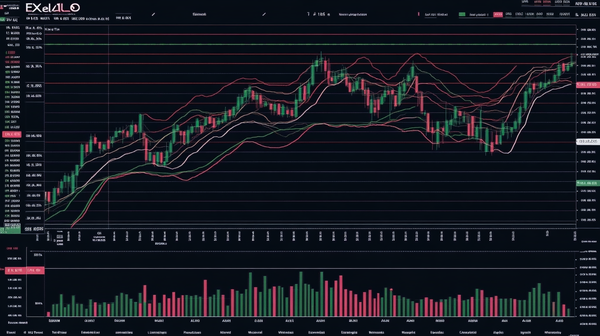
Tools are functional: multi-timeframe charts, the common indicator set (MA, RSI, MACD, Bollinger), watchlists, and price alerts. There’s an economic calendar and a light news feed, which is enough for “know what hour CPI hits” risk management. The ceiling is clear, though—advanced strategy testing and institutional-style analytics still belong to MT5/cTrader or dedicated terminals.
Wexmont Account Opening & Minimum Deposit
First came the basics: email, password, and a short profile that asked about trading experience and source-of-funds in line with AML norms. For verification, the broker requested a government-issued photo ID and a proof of address dated within three months; my documents were approved the same business day. The dashboard then unlocked deposit options and account tier selection without forcing a phone call.
- Minimum Deposit: $200 (this is the Wexmont minimum deposit I saw in the funding screen)
- Funding Methods: Visa/Mastercard, bank wire, regional e-wallets, and cryptocurrencies like BTC and USDT
- Demo Account: $10,000 virtual balance for testing spreads, swaps, and order behavior
- Account Types: Standard (spread-only) and Raw/ECN-style (tight spreads + commission)
On the deposit side I used USDT to avoid my bank—banks are toll booths on your own money—and the credit arrived after a few confirmations with a clear receipt in the portal. If you prefer fiat rails, watch your base currency settings because conversion spreads can add friction. For readers checking the current onboarding flow and the deposit menu, here’s the entry point I used: Wexmont.
Wexmont Customer Support Review
I tested support with two practical questions: first via live chat about swap/overnight fees on gold, then via email asking how long crypto withdrawals are held for internal review. Chat connected in roughly three minutes and the agent pointed me to the symbol specification page plus a short explanation of triple-swap timing. The email reply landed later the same day (about eight hours) and confirmed the internal withdrawal window after KYC, along with the usual note about blockchain congestion affecting final receipt.
Coverage is what you’d expect here: live chat runs 24/5, and email/ticket support follows business hours with variable weekend responsiveness. Language options depend on the agent pool; English was fine, Japanese was not consistently available in my attempts. Phone support wasn’t prominent inside my portal, so if you require a direct line, treat that as a possible limitation.
Ready to Explore Wexmont?
If you’re considering this broker, the smartest move is verifying the exact spreads and financing on your instruments, in your time zone, before you size up. Use a demo first, then a small live deposit to test execution and withdrawal speed under your own conditions.
Wexmont Review FAQ
Is Wexmont good for beginners?
It can be, as long as you keep leverage low and start on demo first. The WebTrader is not overloaded with pro-only features, and the account structure is easy to understand. The bigger issue for beginners is risk: CFDs magnify losses fast.
Can I trade crypto on Wexmont?
Yes, you can trade crypto CFDs such as BTC/USD and ETH/USD. These are derivatives, so you’re trading price movement rather than receiving on-chain coins to a personal wallet. Weekend financing and spread widening are the two costs to watch.
Is Wexmont a scam?
No, based on my 2026 hands-on test it behaved like a functioning CFD broker: KYC was enforced, trades executed, and a withdrawal was processed. That said, offshore registration still means fewer formal protections than a Tier‑1 regulator would provide. Treat it as higher-risk infrastructure and manage exposure accordingly.
Is Wexmont available in the USA?
No, the USA is restricted and the platform does not offer accounts there. If you attempt signup from a blocked jurisdiction, you’re likely to be stopped by location checks and KYC review. This can change over time, but US access is typically off the table for offshore CFD brokers.
How long does a Wexmont withdrawal take?
Most withdrawals are approved internally within 24–48 hours after KYC is complete. From there, card payouts often take 2–5 business days, bank wires can take 3–7 business days, and crypto withdrawals usually arrive the same day (network conditions permitting). If your documents are incomplete, timing stretches.
What is the Wexmont minimum deposit?
The Wexmont minimum deposit is $200 on the funding screen I used. Different payment rails may have their own minimums, especially for bank wires. If you’re only testing execution, depositing the minimum and scaling later is the sensible path.
Does Wexmont have a mobile app?
Yes, there are iOS and Android apps alongside the WebTrader. You can monitor positions, place orders, and manage deposits/withdrawals from mobile. For detailed chart work, desktop still feels more comfortable.
Final Verdict: Should You Use Wexmont in 2026?
Overall Score: 4.0/5
Leverage up to 1:500 plus a usable Raw/ECN-style tier is the main reason traders look at Wexmont in 2026—cost control is possible if you’re disciplined about position sizing and financing. My deposit-to-trade-to-withdraw loop completed without drama, and the platform stack (WebTrader + mobile) covers most day-to-day needs. The price you pay is jurisdictional: offshore-style registration means fewer guardrails than top-tier regulators, so you must treat counterparty risk as part of the trade. CFDs are high-risk instruments; protect your capital first. For the current conditions, I’d verify directly on Wexmont with a small test run.
Best for: active CFD traders who want multi-asset access and can manage leverage responsibly. Avoid if: you require Tier‑1 regulation, formal compensation schemes, or you’re tempted to overtrade high leverage.