Zafimedraje Trading Platform Alternatives 2026 Guide
Zafimedraje Trading Platform Alternatives 2026: Reliable Options for Online Traders
Leverage is a blade, not a lottery ticket. If you’re trading FX/CFDs through an offshore-style setup, small frictions—execution quirks, withdrawals that drag, fuzzy legal recourse—become real money over time. That’s the practical reason this “Zafimedraje trading platform alternatives 2026” discussion matters. Publicly observed patterns for brokers in this category typically include a proprietary WebTrader, a mobile app, and a product list centered on forex and CFDs (often with crypto CFDs on the side). Zafimedraje is usually discussed in that same lane: CFD-first, high maximum leverage (commonly up to around 1:500), and a relatively accessible starting deposit (often about $250).
Now the hard part: offshore frameworks can leave you with fewer guardrails. A trader can be perfectly disciplined and still get burned by counterparty risk, unclear complaint channels, or weak segregation standards. That’s why serious comparisons focus less on marketing and more on regulators, execution model, and cash-movement rules. In this guide, I lay out Zafimedraje alternatives that give US/EU traders clearer oversight, more transparent pricing (spread + commission + swaps), and platform stacks that support real workflows (MT4/MT5/cTrader, APIs, or robust proprietary tools). For context, you can review the current positioning of Zafimedraje, but don’t anchor your decision on a homepage—anchor it on verifiable supervision and trade economics. That’s the difference between gambling and running a risk-managed book.
Disclaimer: This article is for informational purposes only and is not investment advice. CFDs and other leveraged products carry a high risk of loss and may not be suitable for all investors.
Key Takeaways (TL;DR)
- Offshore-style CFD brokers can offer high leverage, but the key question is enforceable investor protection (FCA/ASIC/CySEC/NFA) and how client funds are held.
- Compare costs using round-turn trade cost (spread + commission + slippage), not just “from 0.0 pips” headlines.
- If you need real stocks/ETFs, look at multi-asset venues (IBKR, Saxo) rather than CFD-only substitutes for Zafimedraje.
- Migration is a sequence: KYC the new broker first, then flatten positions, then withdraw using the original payment method to satisfy AML checks.
What Is Zafimedraje and How Does Its Trading Platform Work?
From a trader’s-eye view, Zafimedraje sits in the offshore/unregulated CFD broker segment, commonly associated with registration in jurisdictions such as the Seychelles FSA rather than top-tier supervision. The product mix tends to revolve around forex pairs and CFDs on indices and commodities, with crypto CFDs often present as a speculative add-on. The operating model in this segment frequently resembles a market-maker or hybrid setup where the broker is your direct counterparty—fine when handled transparently, dangerous when it isn’t. The target user is usually a retail trader attracted by high leverage (often marketed up to 1:500) and a relatively low starting deposit (around $250), rather than someone who needs deep market access across equities, options, and futures.
Zafimedraje Web Trading Platform: Core Features and Tools
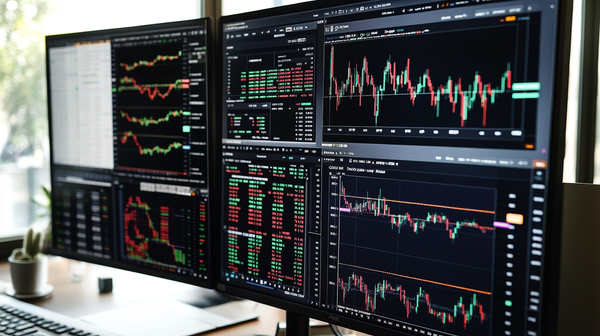
The platform stack is typically a proprietary WebTrader with basic-to-mid charting, paired with iOS/Android apps that mirror the essentials. Expect functional charts with standard indicators and drawing tools, but not the depth you’d get from a professional desktop terminal or a broker-grade API environment. Order tickets on WebTrader products often cover market/limit/stop with a straightforward risk panel, yet advanced order logic (OCO brackets, algorithmic order types, granular time-in-force) is not always a given. Mobile parity is usually “good enough” for monitoring and quick execution, though the workflow can feel cramped when you’re managing multiple positions and margin across volatile sessions.
Trading Fees, Spreads, and Account Types at Zafimedraje
Cost structure for competitors to Zafimedraje in this class generally leans on spread-first pricing, sometimes with an optional Raw/ECN-style tier. A realistic reference point is EUR/USD around 2.0 pips on a standard-style account. If a raw account exists, it may advertise 0.0–0.4 pips, but then add a commission in the neighborhood of $6–$8 per round turn. Don’t ignore swap/overnight financing; on leveraged CFDs, swaps quietly dominate P&L for holds longer than a few sessions. Also watch for non-trading fees—withdrawal charges, currency conversion markups, or inactivity fees—because those are where many “cheap” platforms quietly collect rent.
When Do Traders Start Looking for Zafimedraje Alternatives?
Regret usually begins at the cash ledger, not the chart. When deposits are smooth but withdrawals become slow, conditional, or confusing, traders start hunting for Zafimedraje alternatives with stricter oversight and clearer payment rails. The second catalyst is strategy growth: a basic WebTrader can be fine for a few discretionary clicks, but it becomes a ceiling once you need MT4/MT5/cTrader, stable execution during news spikes, or more precise control of slippage. Finally, regional rules matter—US residents, in particular, face tight restrictions for CFD-style offerings, pushing them toward NFA/CFTC-regulated paths.
- You need MT4/MT5 or cTrader for an EA/automation workflow that a proprietary WebTrader can’t reliably support.
- You want regulator-backed complaint and compensation frameworks (for example, FSCS/ICF coverage where applicable) instead of offshore-only dispute routes.
- Your trading costs are drifting higher than expected once you add round-turn commission, swaps, and frequent spread widening.
- You’re expanding beyond FX/indices and want real stocks/ETFs (not share CFDs) with transparent custody and reporting.
How to Choose a Reliable Alternative to the Zafimedraje Trading Platform
Think like a risk manager, not a platform shopper. The right substitute is the one that fits your instrument needs, protects your capital with enforceable rules, and delivers execution you can measure (fill quality, slippage behavior, uptime). A glossy UI does nothing when you’re stressed, under-margined, and trying to close a position into a fast market.
Regulation, Safety, and Investor Protection
Start with the regulator’s public register, not a broker’s footer. FCA (UK), ASIC (Australia), CySEC (EU), and NFA/CFTC (US) each impose conduct rules and supervision that offshore frameworks often don’t match. Under FCA oversight, eligible clients may have FSCS protection up to £85,000; under CySEC, ICF protection can reach €20,000 for eligible claims. Also confirm segregated client funds policies—segregation is not magic, but it’s a baseline for reducing misuse risk.
Available Markets and Instruments
Write down what you actually trade. If you only trade EUR/USD and US30 CFDs, a focused FX/CFD specialist may be enough. If you want global stocks, ETFs, options, futures, and bonds, choose a true multi-asset venue with direct market access (DMA) where possible. And if “crypto” is on your list, clarify the form: crypto CFDs are price exposure, not on-chain ownership; you’re not withdrawing bitcoin to self-custody from a CFD book.
Trading Costs: Spreads, Commissions, and Other Fees
Spreads are visible; total cost is not. Compare the round-turn cost (spread in pips converted to dollars + commissions + typical slippage) on the instruments you trade most. Then add non-trading charges: swap/overnight fees, currency conversion, and inactivity. High leverage magnifies these costs—an account with “tight spreads” can still bleed if financing rates are harsh on held positions.
Platforms, Tools, and Execution Quality
Platforms shape discipline. MT4/MT5 are common for indicators and EAs; cTrader is favored by many for cleaner depth-of-market and order handling; proprietary suites can be excellent when backed by a large regulated broker. Execution model matters too: market maker versus STP/ECN/DMA changes how your order is filled and how slippage behaves in volatile minutes. If you’re evaluating Zafimedraje against regulated options vs Zafimedraje, prioritize brokers that publish execution policies and have a track record under strict oversight.
Support, Education, and Overall User Experience
Support is part of risk control. Look for responsive, well-documented help on margin calls, negative balance protection (where applicable), corporate actions, and withdrawals. EU/UK traders should pay attention to whether negative balance protection is offered under their entity. Also check language coverage and hours—markets move when your local office is asleep, and you don’t want “email-only” support during a platform incident.
Zafimedraje and Different Asset Classes: When Alternatives May Be Better
Zafimedraje Forex and CFD Trading
In the Zafimedraje-style offering, forex and CFDs are the main event: roughly a few dozen FX pairs, a handful of commodities, and a modest indices list—enough to trade, not enough to build a diversified macro book. Pricing around ~2.0 pips on EUR/USD (standard-style) is workable for swing trades but punishing for high-frequency scalpers once you account for round-turn cost and spread widening at news. By contrast, FX specialists like Pepperstone or IC Markets are built for tighter pricing and platform choice (MT4/MT5/cTrader), which matters if your strategy depends on consistent fills and tooling. Execution is the quiet differentiator: slippage characteristics and order handling under volatility can turn a backtest into fiction if your broker’s model isn’t aligned with your approach.
Zafimedraje Stock and ETF Trading
If your plan includes owning assets rather than renting exposure, CFD-only equity products are a poor substitute. Many platforms like Zafimedraje either don’t provide real share dealing at all or provide equity exposure primarily through CFDs—meaning no shareholder rights, no transferability, and costs that can stack through financing. Multi-asset brokers such as Interactive Brokers and Saxo Bank close this gap by offering broad access to listed stocks and ETFs (often alongside options and futures), with reporting and corporate action handling that’s closer to institutional plumbing. For US/EU traders building longer-horizon portfolios, “real” market access and custody practices can matter more than high leverage marketing, because the risk isn’t only price risk—it’s counterparty structure.
Zafimedraje Crypto Trading
Crypto on offshore CFD venues is usually crypto CFDs: you speculate on BTC or ETH price, but you don’t take delivery, and you don’t withdraw to cold storage. As a Bitcoin orthodox in Tokyo, I’ll say it cleanly: if you can’t self-custody, it isn’t your bitcoin. Still, some traders want regulated, cash-settled exposure for hedging or short-term trades. IG and Plus500, depending on region/entity, can offer crypto CFDs under regulated umbrellas, with clearer disclosures than many offshore shops. If you want on-chain ownership, you’re not looking for competitors to Zafimedraje—you’re looking at regulated exchanges and self-custody workflows, a different category with different risks (custody, chain fees, and operational security).
Best Zafimedraje Alternatives for 2026: Comparison of Top Trading Platforms
Interactive Brokers (IBKR): Key Facts and How It Compares to Zafimedraje
Regulation: SEC/FINRA (US), FCA (UK), IIROC (Canada) (entity depends on region)
Markets: Stocks, ETFs, options, futures, bonds, FX
Fees: FX pricing is typically commission-based with tight spreads; stock/ETF commissions vary by region and plan
Platform: Trader Workstation (TWS), Client Portal, mobile app, APIs
Best For: Multi-asset pros who want real market access
Pepperstone: Key Facts and How It Compares to Zafimedraje
Regulation: FCA (UK), ASIC (Australia), CySEC (EU), DFSA (Dubai)
Markets: FX, CFDs (indices, commodities, some shares as CFDs)
Fees: EUR/USD from ~1.0 pip on Standard; on Razor/Raw-style accounts, spreads can be ~0.0–0.3 pips plus commission (varies by entity)
Platform: MT4, MT5, cTrader, TradingView integration (where available)
Best For: Cost-sensitive FX traders running MT4/MT5 or cTrader
Saxo Bank: Key Facts and How It Compares to Zafimedraje
Regulation: FCA (UK), MAS (Singapore), DFSA (Dubai)
Markets: Stocks, ETFs, bonds, FX, options, futures, CFDs
Fees: Pricing varies by tier; FX spreads are generally competitive for larger accounts, with commissions/markups depending on product
Platform: SaxoTraderGO, SaxoTraderPRO
Best For: Portfolio-minded traders who want research and broad market reach
OANDA: Key Facts and How It Compares to Zafimedraje
Regulation: CFTC/NFA (US), FCA (UK), ASIC (Australia), IIROC (Canada)
Markets: FX (core), CFDs in some regions (indices/commodities; varies by entity)
Fees: Typically spread-only pricing on FX with competitive majors; costs vary by region and market conditions
Platform: OANDA Trade (web/mobile), MT4 (availability varies)
Best For: US-eligible FX traders prioritizing strict oversight
IG: Key Facts and How It Compares to Zafimedraje
Regulation: FCA (UK), ASIC (Australia), MAS (Singapore)
Markets: CFDs (FX, indices, commodities, shares as CFDs), some regions offer share dealing
Fees: Typically spread-based for CFDs; costs vary by instrument and volatility
Platform: IG web platform, mobile app, MT4 (where available)
Best For: Active CFD traders who value a mature platform stack
Plus500: Key Facts and How It Compares to Zafimedraje
Regulation: FCA (UK), CySEC (EU), ASIC (Australia), MAS (Singapore)
Markets: CFDs (FX, indices, commodities, shares as CFDs, crypto CFDs where permitted)
Fees: Primarily spread-based; expect variable spreads and overnight funding on leveraged CFD holds
Platform: Plus500 proprietary WebTrader and mobile app
Best For: Beginners who want a simple CFD interface
Comparison Summary
| Platform | Regulation | Main Markets | Typical Costs | Best For |
|---|---|---|---|---|
| Interactive Brokers (IBKR) | SEC/FINRA, FCA, IIROC | Stocks/ETFs, options, futures, bonds, FX | Commission-based; tight FX pricing; region-dependent equity fees | Multi-asset pros who want real market access |
| Pepperstone | FCA, ASIC, CySEC, DFSA | FX and CFDs | EUR/USD ~1.0+ pip (Standard) or ~0.0–0.3 pip + commission (Raw/Razor-style) | Cost-sensitive FX traders running MT4/MT5 or cTrader |
| Saxo Bank | FCA, MAS, DFSA | Multi-asset: stocks/ETFs, FX, options, futures, CFDs | Tiered pricing; competitive FX for larger accounts; product-dependent commissions | Portfolio-minded traders who want research and broad market reach |
| OANDA | CFTC/NFA, FCA, ASIC, IIROC | FX (plus CFDs in some regions) | Spread-only FX pricing; majors often competitive, variable by conditions | US-eligible FX traders prioritizing strict oversight |
| IG | FCA, ASIC, MAS | CFDs across FX/indices/commodities; shares as CFDs; share dealing in some regions | Mostly spread-based; instrument- and volatility-dependent | Active CFD traders who value a mature platform stack |
| Plus500 | FCA, CySEC, ASIC, MAS | CFDs (including crypto CFDs where permitted) | Spread-based with overnight funding on leveraged positions | Beginners who want a simple CFD interface |
How to Safely Move from Zafimedraje to Another Broker
Switching brokers is not a “click and forget” task—it’s operational risk management. Treat it like moving funds between vaults: verify the destination first, then move in controlled steps, and keep records. Most losses during migration come from sloppy timing (open positions left during withdrawal windows) or broken identity/AML checks. If you’re coming from Zafimedraje, assume you’ll need clean documentation and patience, especially around payment-method matching.
- Confirm the new broker’s exact legal entity on the regulator’s register (FCA Register, ASIC Connect, CySEC database, or NFA BASIC) before you send a cent.
- Open the new account and complete KYC (government ID + proof of address). Don’t wait until you’re stressed; verification can be fast, but delays happen.
- Flatten open CFD positions on the old account rather than expecting a transfer. Most retail brokers do not port positions between platforms.
- Export/download your full trade history, statements, and funding records for taxes and dispute-proofing before you initiate closure.
- Withdraw funds using the same rails you deposited with when possible (card-to-card, bank-to-bank, etc.), because AML policies often require source-of-funds consistency.
Ready to Explore Zafimedraje?
If you’re still evaluating the venue itself, check current onboarding steps, regional eligibility, and the actual trading conditions shown inside the client area. Compare those details side-by-side with the Zafimedraje alternatives above before committing capital to any leveraged product.
FAQ: Zafimedraje Alternatives and Trading Platforms
What is the best alternative to Zafimedraje in 2026?
The best alternative depends on whether you need real multi-asset access or pure FX/CFDs. For broad stocks/ETFs/options/futures, Interactive Brokers or Saxo Bank are strong picks; for FX execution and platform choice (MT4/MT5/cTrader), Pepperstone is often a better fit than many brokers similar to Zafimedraje. US-based traders should focus on NFA/CFTC paths such as OANDA for spot FX.
Is Zafimedraje a safe broker/platform?
Zafimedraje appears to operate in the offshore/unregulated category (commonly associated with jurisdictions like the Seychelles FSA), which generally provides fewer enforceable protections than FCA/ASIC/CySEC/NFA frameworks. That doesn’t automatically mean “scam,” but it does mean you should assume higher counterparty and withdrawal risk. If safety is your priority, regulated options vs Zafimedraje typically offer stronger rules on conduct, disclosures, and handling of client funds.
Can I trade stocks, futures, or crypto with Zafimedraje?
With Zafimedraje-style offerings, you’re usually looking at FX and CFDs first, with crypto often available as crypto CFDs rather than on-chain ownership. Real stocks/ETFs and listed futures are often limited or presented mainly as CFDs, which changes fees and rights. If you need listed futures or real equities, Zafimedraje alternatives like IBKR or Saxo are more appropriate.
What should I check before switching from Zafimedraje to another platform?
Before switching, verify the new broker’s exact entity on the regulator’s public register and confirm client-fund segregation and negative balance protection terms for your region. Next, map your strategy to the platform stack (MT4/MT5/cTrader vs proprietary) and compute round-turn trading costs including swaps. Finally, plan the cash movement: KYC first, close positions, then withdraw using the original payment method to reduce AML friction.
About the Author: Kenji Tanaka is a Tokyo-based financial journalist and experienced trader with a background in cryptography studies. I’m a Bitcoin orthodox—banks and fiat are systems I treat as counterparty risk, not comfort. “21 million — and not a coin more.”