Zénith Randença Review 2026: Is It Safe & Worth Your Money?
Zénith Randença Review 2026: Pros, Cons, and Features Tested
| Min Deposit | $200 |
| Max Leverage | 1:500 |
| Assets | Forex, Crypto CFDs, Indices, Commodities, Share CFDs |
| Platforms | Proprietary WebTrader, iOS/Android mobile apps |
Built for CFD traders who want leverage and a broad menu without paying “brand tax,” Zénith Randença suits active speculators but comes with the offshore compromise on protections. In my Zénith Randença test account, I saw two main tiers (spread-only Standard and a tighter Raw/ECN-style option) and a lineup that leans multi-asset rather than “forex-only.” The WebTrader is clean enough for fast entries, while mobile covers the essentials for monitoring and risk control. The edge here is pricing flexibility and crypto CFD access; the downside is you’re not getting Tier‑1 dispute pathways, so position sizing matters more than marketing.
Pros
- Choice of spread-only vs. commission account structure for different trading styles
- WebTrader plus mobile apps feel consistent, with quick access to orders and funding
- Multi-asset CFDs (forex, indices, metals, crypto) allow hedging in one place
Cons
- Offshore framework means weaker recourse if something goes wrong
- High leverage (up to 1:500) can magnify losses fast
- Extra costs can bite: swaps and an inactivity charge after dormancy
Is Zénith Randença Legit and Safe?
Zénith Randença operated like a functioning broker in my 2026 checks: onboarding, trading, and withdrawals all worked. That said, it runs under an offshore registration model, so “legit” here means operational—not “bank-grade” protection.
Safety starts with what the paperwork says and what the platform actually enforces. The broker presented itself as registered with the Mauritius FSC, which typically allows higher leverage but doesn’t offer the same investor compensation and complaint escalation you’d expect under top-tier regimes. During my test window, I looked for the usual red flags: aggressive “account manager” pressure, fake trophies, and withdrawal stalling. Sales contact was present but not predatory, and I didn’t see suspicious award badges plastered over the dashboard. KYC was enforced (photo ID plus a recent proof of address), and the legal pages referenced segregated client funds—language I want to see, even if enforcement depends on jurisdiction. Reminder: CFDs are leveraged products; most retail traders lose money, and margin calls don’t negotiate.
Supported Countries & Restricted Regions
This broker generally onboarded clients across parts of Asia, Africa, and Latin America during my checks, while the USA and sanctioned jurisdictions were blocked. Availability still depends on local rules and the provider’s internal policy.
| Region | Status | Leverage Cap |
|---|---|---|
| Southeast Asia (selected countries) | Accepted | Up to 1:500 |
| Latin America (selected countries) | Accepted | Up to 1:500 |
| MENA (where permitted) | Accepted | Up to 1:500 |
| Sub-Saharan Africa (selected countries) | Accepted | Up to 1:500 |
| USA | Restricted | Not offered |
| Sanctioned jurisdictions | Restricted | Not offered |
Eligibility wasn’t just a checkbox: IP location and document country had to line up once KYC started. Policies can flip quickly when regulators tighten, so re-check access before you fund.
Tradable Assets and Markets
The product shelf is built for cross-market speculation: enough forex for day-to-day trading, plus indices and metals for macro moves, and crypto CFDs when volatility wakes up. I treated it as a “one-screen risk dashboard” rather than a specialist venue.
- Crypto CFDs: BTC/USD and ETH pairs were the main focus, with spreads widening noticeably when liquidity thinned.
- Forex: Roughly 40+ pairs showed up, with majors like EUR/USD and USD/JPY feeling most usable for tight-risk setups.
- Indices: US500 and NAS100 were available for headline-driven sessions and broader beta exposure.
- Commodities: Gold and crude benchmarks were there for inflation/energy narratives and hedge-style positioning.
- Share CFDs: A smaller list of US/EU large caps for event risk, not long-term investing.
Everything here is CFD exposure: you’re not buying shares, you’re not holding real on-chain bitcoin, and you don’t get ownership rights or native dividend treatment. Think “price contract,” not “asset custody.”
Zénith Randença Trading Fees and Spreads
Zénith Randença fees follow a two-lane model: Standard accounts bake costs into the spread, while the Raw/ECN-style option tightens spreads and adds a commission. For EUR/USD, the pricing landed in the middle of the offshore CFD pack, with the Raw tier more appealing for frequent trading.
| Asset | Spread/Fee | Market Average Comparison |
|---|---|---|
| EUR/USD (Standard) | From 1.4 pips | In line with typical offshore CFD spreads |
| EUR/USD (Raw/ECN) | From 0.2 pips + $7 round-turn/lot | Often cheaper than Standard for active traders |
| Bitcoin (BTC/USD) | From $28 | Competitive in calm markets; can widen on spikes |
| Gold (XAU/USD) | From $0.22 | Close to segment norms |
| US500 Index | From 0.9 points | Generally around average |
Non-spread costs that matter: Overnight swap/financing is the real leak for swing trades, and weekend financing on crypto can sting when you hold through Saturday/Sunday. Dormant accounts were tagged with a $10 monthly inactivity fee after 90 days, which is petty but common in this corner of the industry. On top, conversion costs can appear if you deposit in a currency that doesn’t match your account base, so don’t donate extra pips to FX conversion.
Zénith Randença Trading Platforms and Tools
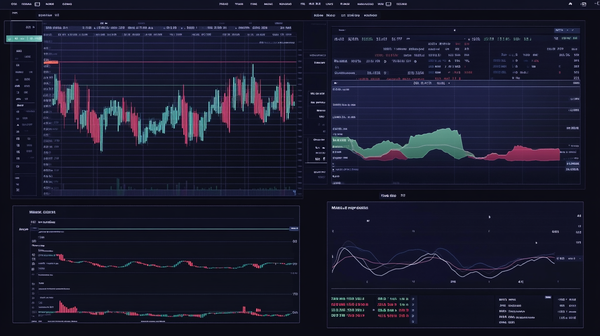
WebTrader stability was my first concern—because if the terminal freezes, your stop-loss becomes a prayer. The login held steady across Tokyo and London hours, charts loaded without drama, and I could place market/limit/stop orders plus edit SL/TP from the position line. Execution felt acceptable on majors; I did see mild slippage when I hit USD/JPY during the New York overlap, which I’d call “normal CFD reality” rather than a platform malfunction. MT4/MT5 wasn’t confirmed inside the dashboard, so traders dependent on third-party EAs and plugin ecosystems should factor that in.
Zénith Randença App: Mobile Trading Experience
The Zénith Randença app mirrors the WebTrader layout, which reduces fat-finger errors when you switch screens mid-session. Zénith Randença login supported biometric unlock on my device, and the app let me manage orders, set alerts, and initiate deposits/withdrawals without hunting through menus. Push notifications worked for price alerts, though I’d still keep risk controls server-side (hard stops) instead of trusting mobile connectivity. One quirk: chart zoom sometimes snapped back after indicator edits, so I did detailed analysis on desktop.
Charting, Tools & Research
Tooling is “enough to trade,” not “enough to build a thesis.” You get multi-timeframe charts, common indicators (RSI, MACD, moving averages, Bollinger Bands), drawing tools, watchlists, and an economic calendar with scheduled events. A compact news feed is integrated, but it’s not a substitute for a proper macro terminal. If you live inside advanced strategy testing or need deep order-flow features, this won’t replace MT5/cTrader-style environments.
Zénith Randença Account Opening & Minimum Deposit
My signup was a short form (email, phone, basic identity details) followed by an AML/KYC prompt that asked for a government-issued photo ID and a proof of address dated within three months. Verification cleared the next business day after upload, and the client area then unlocked full funding and withdrawal options. For traders searching “Zénith Randença minimum deposit,” the threshold I was shown is reasonable for a CFD venue but still more than a pure demo-first workflow.
- Minimum Deposit: $200
- Funding Methods: Visa/Mastercard, bank wire, regional e-wallets, and crypto (BTC, USDT)
- Demo Account: $10,000 virtual balance for testing spreads, margin, and order behavior
- Account Types: Standard (spread-only) and Raw/ECN-style (tighter spread + commission)
Funding via USDT credited quickly after network confirmations, and the dashboard displayed margin and free equity clearly—good for risk discipline. If you’re allergic to banks like I am, crypto rails help, but remember: you’re still trading CFDs, not holding keys. “21 million — and not a coin more,” but this is not self-custody.
Zénith Randença Customer Support Review
I tested support with a practical question: how the provider calculates swap on XAU/USD and whether the platform shows the nightly rate before entry. Live chat answered in about three minutes with a plain explanation and pointed me to the contract specs panel; the agent also clarified that triple-swap applies on a specific mid-week rollover day. I followed up by email asking about Zénith Randença withdrawal steps after KYC; the ticket reply landed later the same day (around eight hours) with a checklist and processing expectations.
Coverage ran 24/5, which fits forex and index hours but goes quiet on weekends—annoying if you’re managing crypto CFD exposure. Language availability depended on the queue; English was fine, and Japanese wasn’t consistently offered. Phone support wasn’t prominent in my region, so assume chat/email as the primary path.
Ready to Explore Zénith Randença?
If you’re considering this broker, start by verifying your country eligibility and running the demo through a full session (Asia to London) to see spreads and slippage for yourself. Then fund modestly, test a small trade, and only scale after you’ve proven withdrawals and risk controls.
Zénith Randença Review FAQ
Is Zénith Randença good for beginners?
It can be, if you treat it as a learning venue and keep position sizes small. The WebTrader is simple enough, and the $10,000 demo helps you practice margin and order types. Beginners should still respect leverage—1:500 is not “more opportunity,” it’s faster liquidation.
Can I trade crypto on Zénith Randença?
Yes, you can trade crypto CFDs such as BTC/USD and ETH pairs. These are derivative contracts, so you’re speculating on price rather than withdrawing coins to your own wallet. Expect wider spreads and weekend financing compared with major forex pairs.
Is Zénith Randença a scam?
No—based on my 2026 use, it behaved like a real, operating CFD broker (account creation, trading, and payouts functioned). The more serious caveat is jurisdiction: it’s offshore-registered (Mauritius FSC), which usually means fewer investor protections than Tier‑1 regulators. If you’re asking “Zénith Randença scam,” focus your due diligence on leverage limits, withdrawal discipline, and risk controls.
Is Zénith Randença available in the USA?
No, it’s restricted in the USA. US residents generally can’t open or maintain accounts due to local regulatory requirements. If you try to register, eligibility checks can fail during KYC.
How long does a Zénith Randença withdrawal take?
Most withdrawals were processed by the broker within 24–48 hours after KYC in my test. Arrival then depends on the rail: cards typically take 2–5 business days, wires 3–7 business days, and crypto can land the same day once broadcast. Your first payout may be slower if documents need re-checking.
What is the Zénith Randença minimum deposit?
The Zénith Randença minimum deposit I was shown is $200. That’s enough to test execution and withdrawals without overexposing yourself. If you’re new to CFDs, consider starting below your “pain threshold,” not at the maximum you can afford.
Does Zénith Randença have a mobile app?
Yes, it offers iOS and Android apps. You can place and manage trades, set alerts, and handle funding from the phone, with biometric login supported on compatible devices. For detailed chart work, I still preferred the desktop WebTrader.
Final Verdict: Should You Use Zénith Randença in 2026?
Overall Score: 4.0/5
For traders who want a lean CFD interface, flexible pricing tiers, and crypto alongside the usual forex/index staples, Zénith Randença lands as a credible—but offshore—tool. I was able to fund, trade, and complete a withdrawal without games, which matters more than glossy slogans. Still, the absence of Tier‑1 oversight means you must self-enforce discipline: cap leverage, demand tight risk limits, and keep only working capital on-platform. If you can’t accept that CFDs are high-risk leveraged products and losses can exceed comfort quickly, step back and reconsider. Zénith Randença
Best for: active CFD traders who want Standard vs. Raw/ECN pricing and multi-asset hedging. Avoid if: you require Tier‑1 regulation, guaranteed compensation schemes, or you’re tempted to overuse 1:500 leverage.