
Zenitpregio Review 2026: Is It Safe & Worth Your Money?
Zenitpregio Review 2026: Pros, Cons, and Features Tested
| Min Deposit | $200 |
| Max Leverage | 1:500 |
| Assets | Forex, Indices, Commodities, Crypto CFDs, Share CFDs |
| Platforms | Proprietary WebTrader, iOS app, Android app |
Multi-asset CFD speculation with high leverage is the point of Zenitpregio, and it fits short-horizon traders who can stomach offshore rules in exchange for flexibility. In my 2026 walkthrough, I found two clear tiers—spread-only Standard and a tighter Raw/ECN-style option that shifts cost into commission. The menu leans practical: majors in FX, the big US indices, metals, and the usual crypto tickers as CFDs (not coins). The WebTrader is clean and fast for basic workflows, and the mobile app mirrors most functions. The catch is the safety framework: offshore registration means fewer escalation paths when things go wrong—so treat it like a trading venue, not a vault. I used Zenitpregio with that mindset.
Pros
- Two pricing modes (Standard vs Raw/ECN-style) make cost control easier for active traders
- Broad CFD lineup with usable liquidity in majors, gold, and headline indices
- Mobile apps and WebTrader felt consistent for execution and account management
Cons
- Operates under an offshore model, so investor protections are not Tier-1 style
- Education/research depth is thin compared with platform suites built around MT5/cTrader ecosystems
- Dormant accounts can pick up an inactivity charge after a quiet period
Is Zenitpregio Legit and Safe?
Zenitpregio looked operational and tradeable in my test, not like an obvious “Zenitpregio scam” setup. Still, it runs under an offshore registration model, which changes what “safe” means—fewer formal protections, and more reliance on the broker’s own processes.
Mauritius FSC registration was the key legal clue I could verify inside the account area and footer disclosures, and that’s a very different world from FCA/ASIC-style oversight. Offshore status often comes bundled with generous leverage (here up to 1:500) and looser product access, but also weaker compensation schemes and fewer places to escalate disputes beyond the firm. I scanned for pressure tactics—endless “account manager” calls, fake award badges, or withdrawal stalling—and I didn’t get hammered with sales scripts during my week of testing. What I did see: KYC was enforced (ID plus proof of address), and the provider’s terms repeatedly referenced segregated client funds language, though that’s not the same as a statutory guarantee. Finally, remember the product: CFDs are leveraged instruments; most retail traders lose money, and you can blow up an account fast when margin calls hit.
Supported Countries & Restricted Regions
The broker primarily accepts clients across parts of Asia, MENA, LATAM, and selected non-EU European markets, while the USA and sanctioned jurisdictions are off-limits.
| Region | Status | Leverage Cap |
|---|---|---|
| Southeast Asia (selected) | Accepted | Up to 1:500 |
| MENA (selected) | Accepted | Up to 1:500 |
| Latin America (selected) | Accepted | Up to 1:500 |
| Non-EU Europe (selected) | Accepted | Up to 1:200 |
| USA | Restricted | Not offered |
| Sanctioned jurisdictions | Restricted | Not offered |
Eligibility wasn’t just a marketing page—IP location checks and KYC country fields steered the signup flow. Policies can pivot quickly with compliance updates, so confirm acceptance again before you fund the account.
Tradable Assets and Markets
This service is built as a multi-asset CFD lineup with FX as the backbone and “headline instruments” (gold, US indices, BTC) doing most of the heavy lifting for volume.
- Indices: US500 and NAS100 were the most usable in my session testing, with the usual suspects like US30 and GER40 also listed.
- Forex: Roughly 40+ pairs showed up, with majors and a workable slice of minors; exotics exist but spreads widen quickly.
- Commodities: XAU/USD and crude (WTI/Brent) are the practical picks; natural gas is there for the brave.
- Crypto CFDs: BTC/USD and ETH/USD are front and center, plus a handful of large-cap names—price exposure only, no on-chain withdrawal.
Everything here is CFD exposure: you’re trading contracts, not owning shares, not taking delivery of metals, and not holding real Bitcoin. If you want self-custody, you already know the answer—“21 million — and not a coin more.”
Zenitpregio Trading Fees and Spreads
Zenitpregio fees depend on account tier: Standard bakes cost into the spread, while the Raw/ECN-style option trims spreads and adds a per-lot commission. On EUR/USD, the Standard feed hovered around the mid-range for offshore CFD brokers, while the commission account made sense once I pushed trade frequency up.
| Asset | Spread/Fee | Market Average Comparison |
|---|---|---|
| EUR/USD (Standard) | From 1.6 pips | In line with many offshore CFD brokers |
| EUR/USD (Raw/ECN) | From 0.2 pips + $7 round-turn/lot | Competitive for active traders if volume is steady |
| Bitcoin (BTC/USD) | From $45 spread (variable) | Average; widens notably during fast moves |
| Gold (XAU/USD) | From $0.35 | Slightly better than many spread-only feeds |
| US500 Index | From 0.9 points | Typical for retail CFD pricing |
Non-spread costs that matter over time:
Hold positions past the daily cut and swap/overnight fees kick in; I checked the swap screen before holding an index CFD overnight, because that’s where “cheap spreads” quietly get taxed. Crypto positions can also rack up weekend financing, which is brutal if you treat BTC like a long-term bag. Dormancy isn’t free either: after 90 days without trading activity, the platform’s schedule shows a $10 monthly inactivity fee. On withdrawals, fees can be method-dependent (especially bank wires and currency conversion), so I recommend reading the cashier notes carefully inside Zenitpregio before you choose a rail.
Zenitpregio Trading Platforms and Tools
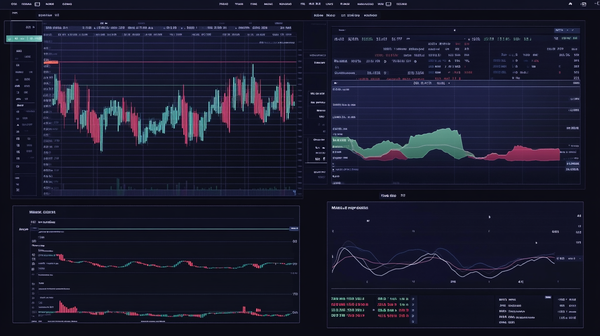
WebTrader is the core experience, and it behaved reliably for me across Tokyo and London hours—no weird freezes during order edits, and price updates stayed coherent when I flipped between watchlists. Order tickets offered market, limit, and stop with basic risk controls (SL/TP), and execution on liquid FX during the London open felt clean enough for discretionary trading. If you live inside the MT4/MT5 universe of custom indicators and EAs, note that I didn’t see a confirmed MetaTrader download in my dashboard; you’re working inside the broker’s native stack.
Zenitpregio App: Mobile Trading Experience
The Zenitpregio app mirrors the web layout well: live quotes, quick position management, and a usable trade ticket with stop-loss and take-profit in the same flow. Zenitpregio login on Android supported biometric unlock on my device, which is the bare minimum in 2026. Deposits and withdrawals were accessible from the app (not buried), and push alerts for price levels worked once I allowed notifications. One quirk: the chart window can feel cramped when you stack indicators, so I kept deep chart work on desktop.
Charting, Tools & Research
Charting covers the essentials—multi-timeframe views, the usual indicators (MA, RSI, MACD, Bollinger), and drawing tools for levels and trendlines. A lightweight economic calendar and news stream are integrated, good for knowing when CPI/FOMC land, but it’s not a research terminal. Alerts and watchlists are the features I used most, because they reduce screen-staring. The ceiling is obvious: if you want strategy testing, advanced analytics, or a massive indicator marketplace, this isn’t that environment.
Zenitpregio Account Opening & Minimum Deposit
My signup took a short form—email, phone, a password, and country selection—then immediately pushed me into identity checks, which is what you want if you care about AML hygiene. KYC required a government-issued photo ID plus proof of address dated within three months; I uploaded a passport and a utility bill photo. Verification landed the same business day for me, and the deposit page unlocked right after approval.
- Minimum Deposit: $200 (this is the Zenitpregio minimum deposit I saw in the cashier before funding)
- Funding Methods: Visa/Mastercard, bank wire, regional e-wallets, and cryptocurrencies (BTC, USDT)
- Demo Account: $10,000 virtual balance for testing spreads, platform feel, and margin behavior
- Account Types: Standard (spread-only) and Raw/ECN-style (lower spread plus commission)
Funding with USDT was the cleanest rail in my test because it avoided bank friction—banks love control, and I don’t. That said, a broker account is not a wallet; keep serious crypto in self-custody and treat the trading balance as working margin only.
Zenitpregio Customer Support Review
I tested support twice: first via live chat to clarify how swap rates are displayed on the Raw/ECN-style account, then via email to confirm withdrawal processing stages. Chat answered in about 3 minutes with a concise pointer to the instrument-spec page and where the platform shows long/short swaps. The email ticket came back in roughly 9 hours with a step-by-step outline: internal approval after KYC, then the payment rail’s own timing.
Coverage is broadly what you’d expect from an offshore CFD desk: 24/5 availability (weekdays) with peak responsiveness during EU/UK hours. Language options depend on who is staffing the queue; English was fine, and I saw hints of additional regional languages in the help menu. Phone support wasn’t prominently pushed, which can be normal in this segment. Weekends tend to be quieter—plan your admin tasks for business days if you’re in a hurry.
Ready to Explore Zenitpregio?
If you’re considering opening an account, start by checking the current instrument list, spreads, and whether your country is accepted. I’d also suggest running the demo first to see how margin, swaps, and the order ticket behave before committing real capital.
Zenitpregio Review FAQ
Is Zenitpregio good for beginners?
It can be, but only if you start small and understand leverage. The platform UI is not intimidating and the $10,000 demo helps you practice order placement and risk controls. Beginners should avoid max leverage (1:500) until they’ve learned how margin calls work.
Can I trade crypto on Zenitpregio?
Yes, crypto is available as CFDs (e.g., BTC/USD and ETH/USD). You’re trading price exposure with leverage, not buying coins you can withdraw on-chain. Financing/spreads can widen during volatile sessions, so manage position size carefully.
Is Zenitpregio a scam?
No, it didn’t present as an outright scam in my test: KYC was enforced, trading worked as expected, and withdrawals followed the stated process. The real caveat is jurisdiction—offshore registration means fewer formal protections than top-tier regulators. Treat it as a higher-risk venue and keep your account funded for trading purposes only.
Is Zenitpregio available in the USA?
No, Zenitpregio is not available to US residents. The signup and compliance flow is designed to block restricted jurisdictions, and US regulation makes offshore CFD access unlikely. If you’re traveling, expect geolocation and KYC checks to still enforce residency rules.
How long does a Zenitpregio withdrawal take?
A Zenitpregio withdrawal typically clears internal processing in 24–48 hours after KYC is complete. After that, timing depends on the rail: cards often take 2–5 business days, wires 3–7 business days, while crypto can arrive the same day (sometimes within a few hours). Always factor in weekends and bank holidays.
What is the Zenitpregio minimum deposit?
The Zenitpregio minimum deposit is $200. That threshold showed in the cashier before I funded the account. If you’re testing strategies, consider using the demo first and then funding the smallest amount you can trade responsibly with.
Does Zenitpregio have a mobile app?
Yes, it offers mobile apps for iOS and Android. I was able to manage positions, set SL/TP, and access deposits/withdrawals from the app. For detailed chart work, the desktop WebTrader still feels roomier.
Final Verdict: Should You Use Zenitpregio in 2026?
Overall Score: 4.0/5
High leverage and a clean proprietary platform are what Zenitpregio sells, and in day-to-day trading it delivered a usable WebTrader, a functional mobile stack, and pricing that makes more sense once you choose the right account tier. My USDT funding and later withdrawal request moved through the expected checkpoints without drama, which matters more than glossy marketing. The downside is structural: offshore oversight is not the same as top-tier regulation, so keep your expectations—and your balance—disciplined. CFDs are leveraged products; most retail accounts lose money, and “one bad trade” is not a metaphor. For details and current terms, start here: Zenitpregio.
Best for: active CFD traders who want Standard vs Raw/ECN-style pricing and can manage risk under 1:500 leverage. Avoid if: you need Tier-1 regulatory protections, or you’re trying to “invest” in crypto rather than trade price swings.