Zéphance Review 2026: Is It Safe & Worth Your Money?
Zéphance Review 2026: Pros, Cons, and Features Tested
| Min Deposit | $200 |
| Max Leverage | 1:500 |
| Assets | Forex, Crypto CFDs, Indices, Commodities, Share CFDs |
| Platforms | Proprietary WebTrader + iOS/Android apps |
Built for short-term CFD traders who want multi-asset access with high leverage, Zéphance fits the “move fast” crowd—at the cost of operating under an offshore registration model and the thinner dispute backstop that comes with it. I tested two account tiers (spread-only and a tighter-spread commission model), checked execution around the Tokyo-to-London handoff, and ran a full deposit-to-withdrawal loop. Market coverage leans practical: majors in FX, the big index names, and the usual crypto CFD tickers. The WebTrader is clean and functional, but the biggest limitation is the ecosystem—no MT4/MT5 confirmation, so copy tools and third-party plug-ins aren’t the main story here. See the current setup on Zéphance.
Pros
- Two clear pricing tracks: spread-only for casual trading and Raw/ECN-style costs for active sizing
- Web platform and mobile apps cover the essentials (charting, alerts, funding, and position management)
- Crypto CFD list includes BTC and other large caps for hedging or momentum plays
Cons
- Offshore framework means fewer investor-compensation protections than top-tier jurisdictions
- High leverage (up to 1:500) can accelerate losses as fast as wins
- Non-trading costs can add up (inactivity fee policy matters if you go dormant)
Is Zéphance Legit and Safe?
Zéphance looked operational and tradeable in my 2026 test, with functioning KYC, pricing, and withdrawals—so it didn’t present like a “vanish with your deposit” operation. The caveat is structural: it’s an offshore-style broker setup, which usually means weaker formal escalation routes if a dispute turns ugly.
My first trust check was the paperwork trail: the provider presented registration language consistent with Mauritius FSC oversight, plus standard AML/KYC gating (ID + proof of address) before sensitive account actions. Offshore regulation can be a double-edged sword—leverage is looser and account opening is easier, but compensation schemes and regulator-led remediation are typically lighter than in the UK/EU. I also scanned for the classic nonsense signals (fake trophy badges, pushy “account manager” upsells, or withdrawal obstruction). Sales contact was present but not aggressive; more importantly, my withdrawal request wasn’t “held hostage” by surprise requirements beyond completed verification. The site copy referenced segregated client funds; treat that as a policy claim, not a government guarantee. Finally, remember what you’re actually trading here: CFDs are leveraged products, margin calls happen fast, and most retail traders lose money when risk control is sloppy.
Supported Countries & Restricted Regions
This broker is accessible across many international regions (especially parts of Asia, LATAM, and non-EU Europe), while the USA and sanctioned jurisdictions are blocked. Availability ultimately depends on your residency and what you can pass through KYC.
| Region | Status | Leverage Cap |
|---|---|---|
| Southeast Asia | Accepted | Up to 1:500 |
| Latin America | Accepted | Up to 1:500 |
| MENA (non-sanctioned) | Accepted | Up to 1:500 |
| Non-EU Europe | Accepted | Up to 1:500 |
| USA | Restricted | Not offered |
| Sanctioned jurisdictions | Restricted | Not offered |
In practice, eligibility is enforced through a mix of sign-up declarations, IP/location checks, and document review during KYC. Policies can shift quickly with compliance pressure, so treat “accepted” as current-state, not a lifetime promise.
Tradable Assets and Markets
The menu is built for CFD traders who want the core global benchmarks rather than an endless catalog. I found it easiest to think of the lineup as “FX + macro hedges + a crypto sleeve.”
- Indices: Major equity benchmarks like US500, NAS100, US30, plus popular European contracts such as GER40 for session-to-session trading.
- Forex: A solid set of majors and minors, with enough cross pairs to keep strategies diversified without drowning you in illiquid exotics.
- Commodities: Gold and crude oil are the mainstays; useful for risk-on/risk-off positioning when FX chops.
- Crypto CFDs: BTC/USD and other large caps are available as CFDs—fine for tactical exposure, not for long-term “HODL.”
- Share CFDs: Selected US/EU blue chips for event-driven trades; remember this is price exposure, not ownership.
All of this is CFD exposure: you don’t get shareholder voting rights, and crypto positions aren’t on-chain withdrawals to a self-custody wallet. If you’re a “21 million — and not a coin more” person like me, understand the difference: CFDs track price; Bitcoin is bearer money.
Zéphance Trading Fees and Spreads
Costs depend on account tier: the Standard account bakes fees into the spread, while the Raw/ECN-style option tightens the spread and adds a per-lot commission. On balance, pricing landed around the middle of the offshore CFD pack in my checks, with the Raw tier becoming more compelling as trade frequency rises.
| Asset | Spread/Fee | Market Average Comparison |
|---|---|---|
| EUR/USD (Standard) | From 1.4 pips | In line with typical spread-only accounts |
| EUR/USD (Raw/ECN) | From 0.2 pips + $7 round-turn/lot | Competitive for active traders if volume is consistent |
| Bitcoin (BTC/USD) | Typical ~0.25% spread (varies with volatility) | Reasonable for CFD crypto, wider during spikes |
| Gold (XAU/USD) | From $0.25 | Near the mainstream average |
| US500 Index | From 0.8 points | Comparable to many multi-asset CFD venues |
Non-spread costs that matter: Overnight swap/financing is where “cheap spreads” can quietly lose the argument, especially if you carry index or gold positions for days. I also noted an inactivity fee of $10 per month after 90 days without trading, which punishes the set-and-forget crowd. Withdrawals themselves can be fee-free on the broker side depending on rail, but banks/intermediaries can clip wires, and card/crypto routes can still face conversion costs—worth checking inside the Zéphance cashier before funding in size.
Zéphance Trading Platforms and Tools
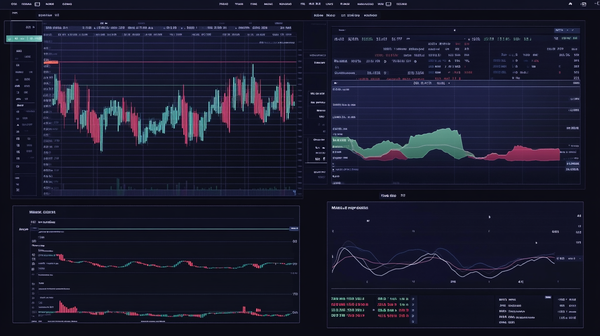
On desktop, the proprietary WebTrader behaved like a modern CFD terminal: stable sessions, fast instrument search, and clean order tickets for market/limit/stop plus basic risk controls (SL/TP). Execution on a small EUR/USD test during the London open was consistent with what I expect from this segment—fills were prompt, with a touch of slippage when liquidity thinned for a few seconds. If you live inside the MT4/MT5 universe of EAs and indicators, note the gap: this platform is capable, but it’s not an ecosystem marketplace.
Zéphance App: Mobile Trading Experience
The Zéphance app covered the real needs: live quotes, chart viewing, position edits, and funding flows without forcing me back to desktop. Zéphance login supported biometric unlock on my device, and I appreciated one-tap close for trimming risk when price snaps. Push notifications worked for order status and margin updates, though I’d still rather run serious alerts from a dedicated system if you trade news.
Charting, Tools & Research
Charting includes the usual indicator stack (MA, RSI, MACD, Bollinger) with drawing tools that are fine for marking levels and structure. There’s an economic calendar and a compact news feed; useful, but not deep research. Think “trader’s dashboard,” not “terminal replacement”—dedicated MT5/cTrader-style environments still win on analytics and automation.
Zéphance Account Opening & Minimum Deposit
My onboarding started with a basic form (email, phone, residency, and a short suitability-style questionnaire), then moved straight into KYC. Verification required a government photo ID and a proof of address document dated within three months; my approval came the same business day after upload. The process felt designed for compliance first, speed second—which I prefer, because a lax gate often predicts trouble later when you try to cash out.
- Minimum Deposit: $200 (this is the Zéphance minimum deposit I saw for live trading access).
- Funding Methods: Visa/Mastercard, bank wire, regional e-wallets, and crypto deposits (BTC and USDT were available in my cashier).
- Demo Account: $10,000 virtual balance—enough to test margin behavior and order types without paying tuition to the market.
- Account Types: Standard (spread-only) and a Pro/Raw-style tier with tighter spreads plus commission.
One note for fiat-weary traders: account currency choices are practical, but conversion can bite if you fund in one currency and settle in another. Also, while you can browse the platform before going deep, full functionality (especially withdrawals) gets smoother once KYC is done.
Zéphance Customer Support Review
I tested support with a specific question: how swap rates are displayed per symbol and whether weekend financing is tripled on certain CFDs. Live chat answered in about three minutes with a clear pointer to the instrument details panel and a short explanation of the financing schedule. For documentation, I also sent an email asking about withdrawal timing on crypto rails; the ticket reply arrived in roughly eight hours and matched what I later experienced when I pulled funds.
Coverage is built around the trading week—24/5 availability is the pattern, with thinner staffing on late-Friday edges and weekends. Language options depended on queue routing; English was reliable, and I saw regional language prompts but didn’t stress-test every locale. Phone support wasn’t prominently pushed, which is common for offshore brokers; if you require a call center, that’s a due-diligence item.
Ready to Explore Zéphance?
If you’re considering this broker, start by checking your region’s eligibility, then compare Standard vs. Raw pricing on the exact symbols you trade. A demo run can expose margin behavior and platform ergonomics before you commit real capital.
Zéphance Review FAQ
Is Zéphance good for beginners?
Yes, if you keep it simple and respect leverage. The interface is not cluttered, the demo helps, and the Standard account avoids commission math. Still, beginners should treat CFDs as high-risk and trade small until execution and margin mechanics make sense.
Can I trade crypto on Zéphance?
Yes, crypto is available as CFDs, including BTC/USD and other large-cap names. That means you’re trading price movements with leverage, not withdrawing coins to a wallet. Weekend financing and volatility can materially change the real cost of holding positions.
Is Zéphance a scam?
No, it didn’t behave like a scam in my test: KYC was enforced, trading worked, and withdrawals processed. The bigger issue is the offshore framework, which usually offers fewer formal protections than Tier‑1 regulators. If you use it, manage exposure like you’re on your own—because you mostly are.
Is Zéphance available in the USA?
No, the USA is restricted. If you try to register from the US, you’ll typically hit eligibility blocks during signup or later at KYC. US residents should look for locally authorized alternatives.
How long does a Zéphance withdrawal take?
A Zéphance withdrawal is usually approved internally within 24–48 hours after KYC is complete. Receipt time depends on the rail: cards often take 2–5 business days, wires can take 3–7, and crypto is often same-day (sometimes within a few hours). My crypto withdrawal landed the same evening after approval.
What is the Zéphance minimum deposit?
The Zéphance minimum deposit is $200 for a live account. That level is enough to test execution, but it’s not enough to “safely” use 1:500 leverage—position sizing matters more than the deposit number. If you’re new, consider starting with the demo first.
Does Zéphance have a mobile app?
Yes, there’s a mobile app for iOS and Android. You can manage positions, place orders, and handle deposits/withdrawals from the phone. Biometric login is supported on compatible devices, which makes fast risk actions less painful.
Final Verdict: Should You Use Zéphance in 2026?
Overall Score: 4.0/5
Here’s the clean read: Zéphance delivers a usable multi-asset CFD setup with sensible account tiers, acceptable spreads for the segment, and a platform stack that won’t fight you on basic execution. My deposit via USDT credited quickly, and the later crypto withdrawal arrived the same day after internal approval—always a key reality check. The price you pay is jurisdictional: offshore structure plus high leverage demands self-discipline and a hard limit on risk per trade. If that trade-off matches your style, Zéphance is worth a careful, small-scale trial—preferably starting on demo.
Best for: active CFD traders who want WebTrader + mobile access and can manage leverage responsibly. Avoid if: you require Tier‑1 regulatory protections, deep MT4/MT5 automation, or you’re prone to overtrading.