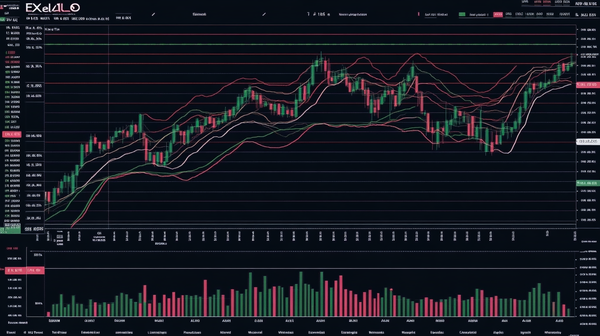

Zlatovera Fondomír Trading Platform Alternatives 2026
Zlatovera Fondomír Trading Platform Alternatives 2026: Reliable Options for Online Traders
Leverage can feel like a shortcut—until it turns into a trap. That’s the uncomfortable truth behind many offshore CFD shops, and it’s why the search for Zlatovera Fondomír alternatives keeps showing up in my inbox. From what’s typically observable in this category, Zlatovera Fondomír presents itself as a CFD-first venue focused on forex and index/commodity CFDs, with crypto CFDs often on the menu too. The trade-off is familiar: high leverage (commonly advertised around 1:500 in this segment), a relatively low barrier to entry (often around a $250 minimum deposit), and a proprietary WebTrader that’s “good enough” for basic order entry but rarely built for serious execution control.
For US and EU traders, the friction point is usually not “more instruments.” It’s trust. An offshore framework (often a Seychelles-style registration for brokers in this lane), limited investor-protection backstops, and murky execution disclosures can turn routine tasks—withdrawals, dispute resolution, even understanding margin-call rules—into stress tests. If you’re evaluating Zlatovera Fondomír or already trading there, treat the decision as a risk-budget problem, not a UI preference. And if you’re a Bitcoin person like me—“21 million — and not a coin more”—you already know what happens when promises are cheap and settlement is someone else’s liability.
Disclaimer: This article is for informational purposes only and does not constitute investment advice. CFDs and other leveraged products carry a high risk of loss and may not be suitable for all investors.
Key Takeaways (TL;DR)
- If you need real stocks/ETFs (not CFD exposure), start with multi-asset, top-tier regulated firms like Interactive Brokers or Saxo Bank.
- Compare trading costs using round-turn cost (spread + commission + swaps), not headline leverage or “from 0.0 pips” marketing.
- Before moving funds, open and verify the new account first—then withdraw using the same rails used for your original deposit to avoid AML delays.
What Is Zlatovera Fondomír and How Does Its Trading Platform Work?
On paper, Zlatovera Fondomír looks like a typical offshore CFD broker: forex pairs, index/commodity CFDs, and a smaller crypto CFD list aimed at retail traders who want quick onboarding and big leverage. In this bracket, the execution model is commonly closer to market maker or hybrid routing rather than pure DMA, which matters because your fill quality (slippage, requotes, speed under volatility) becomes part of the “fee.” For people comparing platforms like Zlatovera Fondomír, the key question is whether you’re comfortable substituting convenience for formal protections like segregated client funds rules, negative balance protection clarity, and a credible dispute path.
Zlatovera Fondomír Web Trading Platform: Core Features and Tools
The platform stack is typically a proprietary WebTrader with a companion iOS/Android app—functional, but rarely deep. Expect standard charting with common indicators and drawing tools, plus one-click trading and basic order types (market/limit/stop) that cover straightforward strategies. Where these interfaces often fall short is workflow: fewer conditional order options, less control over partial fills, and thinner transparency around execution quality during fast markets. Mobile parity is usually decent for monitoring and closing trades, while desktop power-users may miss the MT4/MT5 or cTrader ecosystem (custom scripts, robust backtesting, and a wider tooling community).
Trading Fees, Spreads, and Account Types at Zlatovera Fondomír
Costs at offshore CFD brokers tend to be packaged as spread-only “Standard” pricing or a tighter-spread tier with commission. A realistic expectation for this segment is a typical EUR/USD spread around ~2.0 pips on a standard setup, with a “raw” style account (if offered) advertising near-zero spreads plus a round-turn commission in the neighborhood of $5–$8. Overnight financing (swap) is the quiet drain for hold-time strategies, and withdrawal/inactivity fees can appear in the fine print. When you compare competitors to Zlatovera Fondomír, insist on reading fee schedules like a contract, not a brochure.
When Do Traders Start Looking for Zlatovera Fondomír Alternatives?
My first red flag is never the spread—it’s the legal perimeter. Offshore registration can leave you with fewer practical remedies if something goes wrong, and that reality is what pushes many people toward Zlatovera Fondomír alternatives that sit under FCA, ASIC, CySEC, or NFA oversight. Execution quality is the second pressure point: slippage under news, stop-loss behavior during gaps, and margin-call handling are where “cheap” platforms become expensive. Add restrictive country policies (the US is usually blocked), and the motivation to switch becomes mechanical, not emotional.
- You need MT4/MT5 or cTrader to run an EA, build custom indicators, or use established algo workflows—features many proprietary WebTraders don’t match.
- Withdrawals take longer than expected, or you’re asked to route funds through methods that don’t match your original deposit path.
- Your strategy depends on tight execution (scalping, news trading), and you’re seeing frequent negative slippage or widened spreads at peak volatility.
- You want investor-protection scaffolding (segregated client funds rules, complaint channels, compensation schemes) that offshore setups often don’t provide.
How to Choose a Reliable Alternative to the Zlatovera Fondomír Trading Platform
Selection gets simpler when you start from your strategy, not your fear. Build a short list, then stress-test it: regulation first, then instruments, then cost-of-trade, and only after that the UI. This is how you avoid jumping from one brittle setup to another. For traders scanning alternatives to the Zlatovera Fondomír trading platform, the goal is boring reliability—clean onboarding, predictable execution, and transparent fee math.
Regulation, Safety, and Investor Protection
Regulation is not a magic shield, but it’s a real constraint. FCA-regulated firms in the UK can fall under FSCS protection (up to £85,000 for eligible clients), and CySEC firms may participate in the ICF (up to €20,000, subject to eligibility). ASIC and NFA/CFTC frameworks add their own controls, including conduct rules and reporting expectations. Look for segregated client funds language, negative balance protection policies, and confirm the entity on the regulator’s public register before funding.
Available Markets and Instruments
Decide what you actually need to trade. If you want real stocks/ETFs with ownership features (voting rights, corporate actions handled as securities), offshore CFD venues are often the wrong tool. If your focus is FX and index CFDs, a regulated CFD specialist may be enough. If you plan to trade options or futures, you’ll usually end up at a multi-asset broker built for exchange-traded products. These are not interchangeable “features”; they change your risk, fees, and legal treatment.
Trading Costs: Spreads, Commissions, and Other Fees
Ignore “from” pricing and compute round-turn costs. A scalper doing 200 round turns a month will feel every fraction of a pip, while a swing trader will feel swaps more than entry spread. Compare: spread (in pips) + commission (round-turn) + typical overnight financing + non-trading fees (inactivity, withdrawals). If the broker can’t explain this cleanly, that’s information in itself. This cost discipline is a practical way to filter regulated options vs Zlatovera Fondomír.
Platforms, Tools, and Execution Quality
Platform choice is really an execution choice. MT4/MT5 and cTrader support deeper automation and a wider third-party tool ecosystem; proprietary platforms can be fine for manual trading but often limit workflows. Ask what execution model is used—market maker, STP, ECN, or DMA—and what that implies for slippage and latency. In fast markets, “fills” are part of your P&L. If you’re still assessing Zlatovera Fondomír, treat any vague execution language as a prompt to look harder.
Support, Education, and Overall User Experience
Support becomes critical the first time something breaks: platform outage, margin confusion, or a document request mid-withdrawal. Check support hours (especially around US/EU sessions), language coverage, and whether you can reach a human with account authority. Education matters less for pros, but transparent margin and product disclosures matter for everyone. Also verify mobile parity: if you manage risk on the move, the app must allow full order management, not just chart-watching.
Zlatovera Fondomír and Different Asset Classes: When Alternatives May Be Better
Zlatovera Fondomír Forex and CFD Trading
Forex and CFDs are the “home turf” for brokers in this offshore category: expect roughly 30–50 FX pairs, 8–15 indices, and 5–10 commodities, with leverage often advertised around 1:500. The catch is that leverage amplifies execution risk: a small slippage event becomes a large percentage move on margin. Regulated FX/CFD specialists such as Pepperstone and IG tend to publish clearer execution and product disclosures, and their platform stacks (MT4/MT5/cTrader or mature proprietary systems) support stricter risk workflows. If your edge is short-term, paying a slightly higher headline spread can still be cheaper than unpredictable fills and widened spreads during the moments you actually trade.
Zlatovera Fondomír Stock and ETF Trading
If you’re trying to build a long-term portfolio, CFD-only stock exposure is a different animal than owning securities. CFDs typically don’t grant shareholder rights, and financing charges can quietly punish hold-time. In offshore CFD venues, “stocks” are often offered as share CFDs—or not offered in a meaningful way at all—so you’re trading price movement without the structure that traditional investing assumes. For US/EU traders who want real shares, Interactive Brokers (IBKR) is hard to ignore: broad market access, exchange-traded routing, and deep product coverage. Saxo Bank is another strong option for multi-asset access with a polished platform, particularly for investors who want research and portfolio tooling alongside trading.
Zlatovera Fondomír Crypto Trading
Crypto on CFD platforms is usually synthetic exposure: you get price tracking, not on-chain settlement. No withdrawals to your own wallet, no UTXOs, no self-custody—just a contract with the broker, with leverage layered on top. That may suit short-term hedging, but it’s not “Bitcoin ownership.” For regulated CFD access to crypto pricing (where permitted), brokers like Plus500 and IG can be relevant, typically offering crypto CFDs under strict risk controls and regional rules. If your priority is actual Bitcoin, the honest answer is: use a reputable spot exchange and withdraw to cold storage. Banks can keep their IOUs; I’ll keep my keys.
Best Zlatovera Fondomír Alternatives for 2026: Comparison of Top Trading Platforms
Interactive Brokers (IBKR): Key Facts and How It Compares to Zlatovera Fondomír
Regulation: SEC/FINRA (US), FCA (UK), IIROC (Canada)
Markets: Stocks, ETFs, options, futures, FX, bonds, funds (product availability varies by region)
Fees: FX spreads often competitive; commissions vary by product and venue (best evaluated per instrument)
Platform: Trader Workstation (TWS), IBKR Mobile, Client Portal API
Best For: Real multi-asset access (DMA-style) and serious order control
Pepperstone: Key Facts and How It Compares to Zlatovera Fondomír
Regulation: FCA (UK), ASIC (Australia), CySEC (EU), DFSA (Dubai)
Markets: FX and CFDs (indices, commodities, some crypto CFDs where allowed)
Fees: EUR/USD from ~0.0–0.3 pips + commission on Razor/Raw-style pricing; ~1.0+ pip typical on Standard-style pricing
Platform: MT4, MT5, cTrader (availability depends on entity/region)
Best For: Algo traders who need MT4/MT5 or cTrader tooling
IG: Key Facts and How It Compares to Zlatovera Fondomír
Regulation: FCA (UK), ASIC (Australia), MAS (Singapore)
Markets: CFDs across FX, indices, commodities, shares (often as CFDs); availability varies by region
Fees: Spread-based pricing; EUR/USD often around ~0.6–1.2 pips depending on market conditions and account type
Platform: IG proprietary platform; MT4 offered in some regions
Best For: Risk-first CFD trading with strong disclosures and tooling
Saxo Bank: Key Facts and How It Compares to Zlatovera Fondomír
Regulation: FCA (UK), MAS (Singapore), DFSA (Dubai)
Markets: Stocks, ETFs, bonds, FX, options, futures, CFDs (varies by jurisdiction)
Fees: Pricing depends on product; FX spreads often competitive; commissions apply on exchange-traded instruments
Platform: SaxoTraderGO, SaxoTraderPRO
Best For: Portfolio-style traders who want research plus multi-asset reach
OANDA: Key Facts and How It Compares to Zlatovera Fondomír
Regulation: CFTC/NFA (US), FCA (UK), ASIC (Australia), IIROC (Canada)
Markets: FX (and CFDs in some regions)
Fees: Typically spread-based; EUR/USD commonly ~0.8–1.6 pips depending on region and conditions
Platform: OANDA proprietary platforms; MT4 supported in some regions
Best For: FX-only traders who value transparency and oversight
Plus500: Key Facts and How It Compares to Zlatovera Fondomír
Regulation: FCA (UK), CySEC (EU), ASIC (Australia), MAS (Singapore)
Markets: CFDs (FX, indices, commodities, shares, crypto CFDs where permitted)
Fees: Spread-based pricing; typical FX spreads vary by market regime; overnight financing applies on held CFD positions
Platform: Plus500 proprietary platform (web and mobile)
Best For: Simple mobile-first CFD execution without platform clutter
Comparison Summary
| Platform | Regulation | Main Markets | Typical Costs | Best For |
|---|---|---|---|---|
| Interactive Brokers (IBKR) | SEC/FINRA, FCA, IIROC | Stocks/ETFs, options, futures, FX, bonds | Product-based commissions; FX pricing often competitive | Real multi-asset access (DMA-style) and serious order control |
| Pepperstone | FCA, ASIC, CySEC, DFSA | FX + CFDs (indices/commodities; some crypto CFDs) | Raw: ~0.0–0.3 pips + commission; Standard: ~1.0+ pip | Algo traders who need MT4/MT5 or cTrader tooling |
| IG | FCA, ASIC, MAS | CFDs across FX/indices/commodities/shares (region-dependent) | Spread-based; EUR/USD often ~0.6–1.2 pips in normal conditions | Risk-first CFD trading with strong disclosures and tooling |
| Saxo Bank | FCA, MAS, DFSA | Multi-asset: stocks/ETFs, options, futures, FX, CFDs | FX spreads competitive; commissions on exchange-traded products | Portfolio-style traders who want research plus multi-asset reach |
| OANDA | CFTC/NFA, FCA, ASIC, IIROC | FX (and CFDs in some regions) | Spread-based; EUR/USD commonly ~0.8–1.6 pips (varies) | FX-only traders who value transparency and oversight |
| Plus500 | FCA, CySEC, ASIC, MAS | CFDs (FX/indices/commodities/shares; crypto CFDs where allowed) | Spreads + overnight financing on held CFDs | Simple mobile-first CFD execution without platform clutter |
How to Safely Move from Zlatovera Fondomír to Another Broker
Switching brokers is operational risk, not just paperwork. The goal is to avoid being “between platforms” with open exposure, missing tax records, or funds stuck in compliance limbo. Treat the move like a controlled deployment: verify regulation, verify identity, reduce position risk, then move capital in a way that matches AML expectations. And remember: leveraged CFDs can liquidate fast—so don’t migrate during a volatility event.
- Confirm the new broker’s legal entity on the relevant public register (FCA Register, ASIC Connect, CySEC directory, or NFA BASIC) and make sure the website domain matches the registered firm.
- Open the new account and complete KYC (ID plus proof of address) before touching your old account; in many cases verification clears within about a business day if documents are clean.
- Flatten risk on your old account by closing open CFD positions rather than assuming any transfer is possible; most brokers do not port positions across venues.
- Initiate a full withdrawal from Zlatovera Fondomír using the same payment method you used to deposit, since mismatched rails often trigger AML review and delays.
- Download trade history, account statements, and fee reports (spreads/commissions/swaps) so you can reconcile performance and handle taxes without guessing later.
Ready to Explore Zlatovera Fondomír?
If you’re still considering it, compare onboarding, fees, and execution notes side-by-side with the regulated substitutes in this guide, then check regional eligibility before depositing. A quick review of platform tools and margin rules can save you expensive surprises later.
FAQ: Zlatovera Fondomír Alternatives and Trading Platforms
What is the best alternative to Zlatovera Fondomír in 2026?
The best option depends on whether you need real multi-asset access or just FX/CFDs. For US/EU traders seeking broad, exchange-traded markets, Interactive Brokers is often the cleanest jump because it supports stocks/ETFs, options, futures, and FX under top-tier oversight. If your focus is FX/CFD execution with MT4/MT5 or cTrader, Pepperstone is frequently a better fit than offshore CFD venues.
Is Zlatovera Fondomír a safe broker/platform?
Safety hinges on regulation and enforceable client protections, and Zlatovera Fondomír appears consistent with an offshore/unregulated framework (commonly seen under Seychelles-style registrations in this segment). That usually means fewer formal backstops such as compensation schemes and a weaker dispute path than FCA/ASIC/CySEC/NFA-regulated firms. Even if trading works day-to-day, the true stress test is withdrawals and complaint handling during market turbulence.
Can I trade stocks, futures, or crypto with Zlatovera Fondomír?
With offshore CFD platforms, “stocks” are often offered as share CFDs rather than real share ownership, and exchange-traded futures access is uncommon. Crypto exposure, when available, is typically via crypto CFDs—price exposure without on-chain custody. If you need real stocks/ETFs or futures, look at Interactive Brokers or Saxo Bank; if you only need crypto CFDs where permitted, brokers like IG or Plus500 may cover that use case.
What should I check before switching from Zlatovera Fondomír to another platform?
Before switching, verify the new broker’s regulator listing (FCA/ASIC/CySEC/NFA) and confirm you’re signing up under the correct legal entity for your country. Next, check the full cost stack: spread, commission, swaps, and non-trading fees, then test execution with small size to observe slippage behavior. Finally, export statements and close or reduce exposure at Zlatovera Fondomír so you’re not managing margin across two incompatible systems.
About the Author: Kenji Tanaka is a Tokyo-based market writer and active trader with a background in cryptography studies. I’m Bitcoin-orthodox—banks and fiat are counterparty risk wearing a suit—so I pay obsessive attention to custody, settlement, and the legal reality behind “platform promises.” 21 million — and not a coin more.