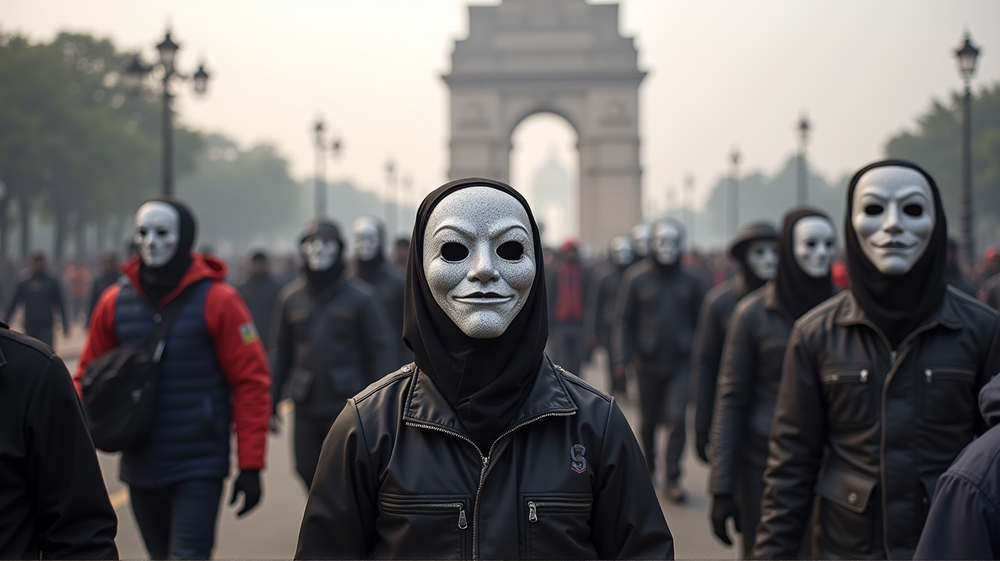
Protest & Silence: India's Clash with Pollution Activism
The struggle for clean air in India’s bustling capital took a dramatic turn last weekend, when a peaceful protest aimed at highlighting the city’s staggering air pollution levels was met with a heavy-handed police response. Nearly 100 demonstrators found themselves in custody, bringing into sharp relief the challenges faced by environmentalists in a country grappling with severe pollution issues.
Air Pollution: A Silent Epidemic
Delhi, a city once known for its vibrant culture and rich history, now finds itself grappling with an invisible adversary. Air pollution has become a pressing public concern, with reports indicating more fatalities linked to poor air quality than diseases like obesity and diabetes. As stated in Index on Censorship, the frustration among residents is palpable, as there are growing allegations against the government, accusing it of manipulating pollution data.
The Protest That Sparked Controversy
Echoing previous environmental movements, this protest was more than just a gathering. Crisp posters reading “We Rise While We Choke” captured the desperation and determination of the attendees. However, the protest, intended to be a call for governmental accountability, quickly turned into a scene of tension and unrest. In the days leading up to the event, protest organizers received multiple visits and calls from the police. On the day of the protest, India Gate, the iconic venue of the demonstration, was abruptly closed to the public.
A Pattern of Suppression
This incident is not isolated. Under Narendra Modi’s leadership, there has been a noticeable pattern of hostility towards climate activists. From the crackdown on anti-smelting plant protesters in Tamil Nadu to the arrest of Disha Ravi, a young environmentalist, the message to those speaking out for the climate has been increasingly clear: dissent will not be tolerated.
A Call for Clean Air and Free Speech
For Saurav Das and many others who took part in the recent protest, such actions by the authorities represent a grave infringement on democratic rights. “It was a small act of resistance against the taking away of our democratic spaces,” he remarked. As the dust settles, the incident underscores the wider battle for free expression in India. It’s a narrative where clean air and the right to protest are inextricably linked, and both need urgent attention and resolution.
Voices Beyond the Smog
The world watches as India navigates this complex terrain of environmental challenges and civil rights. The hope remains that, much like China, India will recognize the pressing need to address its air quality issues, not through suppression but through genuine reform and transparent dialogue with its citizens. Until then, the echoes of resistance will continue to ring throughout Delhi, as those calling for clean air refuse to be silenced.