
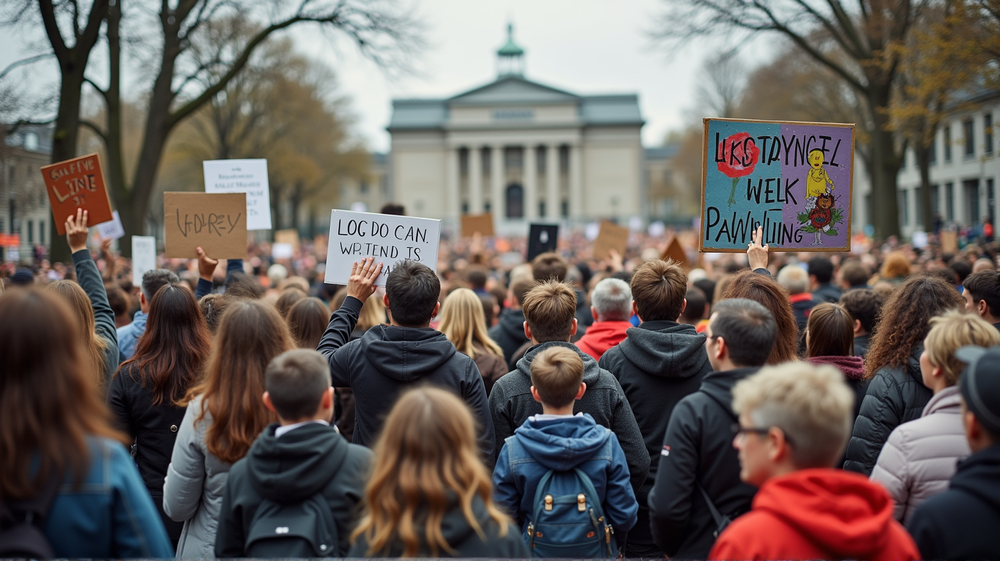
The Resurgence of Book Bans: Navigating the New Tide of Censorship
The issue of book bans has resurged with alarming intensity, painting an unsettling picture for educators and free speech advocates alike. According to Fernandina Observer, these actions serve as a reminder of the thin line between protection and oppressive censorship.
A Personal Account: Witnessing the Conflict
In the heart of Nassau County, the recent school board meetings have turned into battlegrounds of ideology and free speech. Linda Hart Green, who attended these gatherings, noted how disruption and confrontation marred what should be a celebration of educational success. Stories of book bans dissolve into tales of censorship, often driven by those detached from the community’s core.
The Authoritarian Tactics Unveiled
PEN America, a stalwart in defending creative expression, highlights Florida as a flashpoint with its numerous attempts at educational censorship. The organization’s mission resonates strongly with those who see book bans as an infringement on intellectual liberty. The phenomenon is not just about books—it’s about controlling narratives and voices, particularly those representing marginalized communities.
The Spearheaded Agenda
The act of banning books often surfaces under the guise of moral preservation, yet it shrouds a more insidious agenda of silencing minority perspectives. This wave of censorship echoes past eras of totalitarian control that sought to erase dissent and diversity in thought. As Florida earns the title of “Blueprint State” for these efforts, the resonance of past tyrannies can be starkly perceived.
Congressman John Lewis and the Call for ‘Good Trouble’
This scenario reminds us of the teachings of Congressman John Lewis, whose legacy in civil rights activism serves as a beacon. Marking the fifth anniversary of his passing, Lewis’s call to make “good trouble” is more pertinent than ever. As book bans rise, citizens are urged to speak out, engage with banned literature, and advocate for freedom in education.
Strategies to Counteract Censorship
Outlined by PEN America, individuals are encouraged to take proactive steps: contacting local representatives, supporting reader and writer advocacy groups, and crucially, participating in banned book clubs. These actions reinforce the ethos of not blindly following destructive directives but instead challenging them, echoing the sentiment found in Dr. Timothy Snyder’s “On Tyranny.”
Reflecting on Moral and Ethical Leadership
The assertion of moral high ground in book bans often misinterprets religious doctrines, using them to justify external acts of control and suppression. The inversion of intent, particularly in religious texts, underscores a misuse of spiritual authority to justify content control. Here lies a call for authentic dialogue and ethical reflection on what constitutes appropriate educational content.
By delving into the roots of this modern-day censorship and advocating for deliberate, informed action, communities can reclaim the narrative and steer education back to its true purpose—enlightening rather than restricting the mind.