The Whisper of Silence In Cuba: Choosing Your Voice Wisely
The Art of Silence: Navigating Social Cohesion
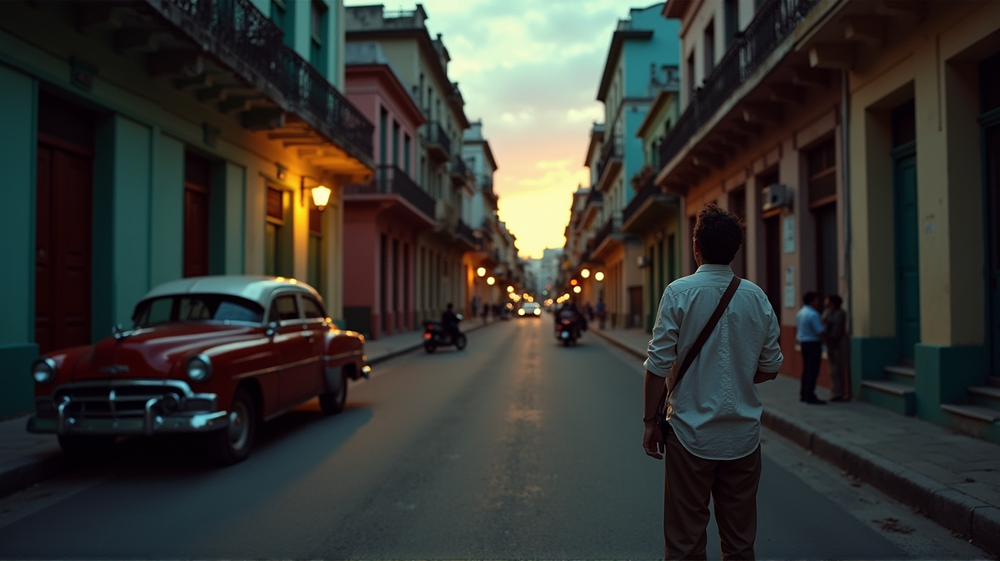
In Cuba, a nation known for its indomitable spirit and rich history, the art of silence has become a daily endeavor for many. Social cohesion, though seemingly harmonious, has woven an intricate web of self-censorship and strategic silence. The bosses—paradoxically public servants—to whom citizens must appear compliant, often call for constructive criticism, yet silence whispers a more potent truth.
Remembering ‘The Wave’
The haunting memories of The Wave, a German film, resonate with many Cubans. Its story, where an innocent experiment transforms into a totalitarian nightmare, offers a chilling reflection. In Cuba, like the fictional group in The Wave, unity is often pursued at the cost of individuality, and rebellion is met with isolation and disdain.
Fear Fueled Silence
Silence in Cuba isn’t imposed through overt threats but through a haunting fear of being the ‘other.’ Speaking out, even with respect and well-founded arguments, means facing scrutiny and losing opportunities. Fear of being labeled or watched closely encourages silence. The political landscape doesn’t necessitate draconian laws; silence and conformity are fostered through subtle societal cues and pressures.
A Choice Redefined: Embracing Discourse
Yet, in the heart of this silence lies a budding realization. Many Cubans are beginning to see that disagreement isn’t criminal; it’s vital. Dialogue, rather than silence, leads to consensus. As stated in OnCubaNews, Cuba stands as a bastion of resilience, but to thrive, the foundation of free discourse must be upheld.
Heroes Behind the Silence
Despite the challenges, Cubans are a hero nation. Mothers soothe their children during oppressive blackouts, artists bring food home against all odds, and whispers of change echo in hidden corners. True progress requires less posturing by officials and listening to those who dare to reveal the absurdities that others deem too risky to voice.
In Cuba, the true enemies aren’t mere external threats. They are the internal resistances to open dialogue, the constraints against expressing individual truths. A new path, one that honors differing opinions as much as it cherishes sovereignty, is essential for the island’s vibrant future.