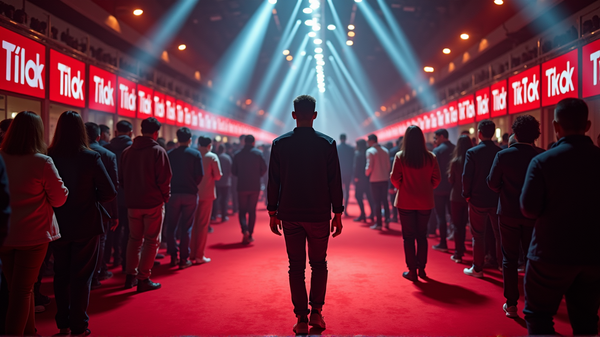
TikTok's Bold Revamp: Is the M2 App the Future of Social Media in the US?
TikTok is gearing up for a significant transformation as it develops a new version of its app, internally called “M2,” set to launch on US app stores on September 5, 2025. This strategic move aims to maintain the platform’s presence in the United States amidst a rocky landscape that may see changes due to government intervention. According to Times Now, it’s an intricate dance between technological innovation and geopolitics.
TikTok’s Strategic Launch: The M2 Initiative
With the clock ticking towards the divest-and-ban deadline, TikTok has devised an ambitious plan—introducing the M2 app to bridge the transition while ensuring continuity for its vast US user base. The original app remains operational until March 2026, offering a window of adaptation and stability for users and advertisers alike.
Navigating Diplomatic Waters: US and China Negotiations
The backdrop of TikTok’s developments is not just a commercial maneuver but a complex diplomatic cakewalk. Both US and Chinese governments must give the green light for this transformation. President Trump has revealed that a tentative framework for divestiture is in place, yet Chinese endorsement, possibly from President Xi, remains a key requirement. The coming weeks will see this diplomatic effort unfold as an exercise in strategic trust-building.
Maintaining the Platform: Assuring US Interests
Core to TikTok’s effort is proving that the new app, M2, truly severs links with Beijing, aligning with national security demands. This involves a potential reshuffle in ownership and management to ensure that key components like code and data servers fall under domestic control. As negotiations with American investors intensify, China’s role in overseeing ongoing maintenance by its engineers is also under scrutiny.
High Stakes for TikTok’s Massive User Base
For TikTok’s estimated 170 million US users, as well as the influencers and brands that drive its content ecosystem, transparency and continuity are crucial. As legal deadlines loom, the stakes are high—not just for TikTok but for the broader tech and media landscape. This development could set a precedent for how international platforms operate amidst geopolitical tensions.
As the world watches this high-stakes negotiation unfold, one question remains: Will TikTok’s M2 app leap the hurdles and emerge as a model for tech sustainability and sovereignty in an interconnected world? Time will tell if this effort will be a landmark in cross-national tech collaboration or a cautionary tale of political complexities.