UK Government Allegedly Suppresses Immigration Critics to Big Tech Firms
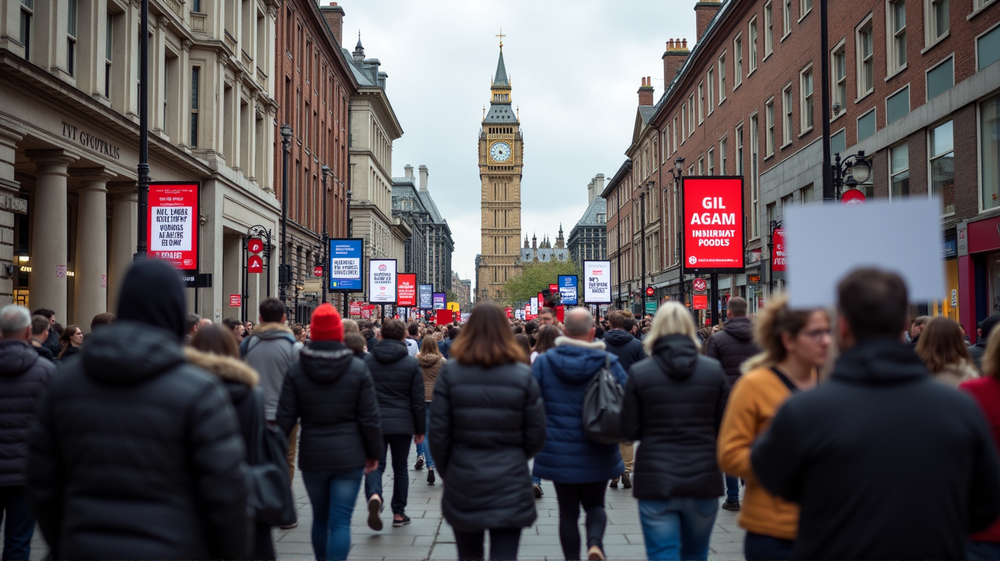
In a growing wave of controversy, Whitehall officials have been accused of orchestrating a plan to silence critics of taxpayer-funded hotels hosting asylum seekers. Allegations suggest that civil servants flagged these critics’ social media accounts to prominent Big Tech firms like TikTok in a bid to manage incendiary narratives that have sparked anti-migrant protests.
Turning the Gears: Whitehall’s Alleged Strategy
Civil servants under Technology Secretary Peter Kyle have reportedly spotlighted social media content, believed to be “exacerbating tensions” on UK streets amid a rising tide of protests against the use of migrant hotels. This maneuver emerges amidst mounting concerns about the Government’s approach to online speech under the new Online Safety Act, stirring fears of a chilling effect on free expression.
Unrest in the Streets: The Hotel Conundrum
The government-run hotels, like The Bell Hotel in Epping, Essex, have become the epicenter of public unrest, with escalating protests reflecting broader societal anxieties. These hotels, accommodating about 32,000 asylum seekers at a staggering £4 million daily cost to taxpayers, have ignited debates around community safety and resource distribution.
Government Response and Opposition Criticism
The Government maintains that free speech remains a democratic cornerstone, emphasizing that their interactions with tech platforms solely aim to enforce existing service terms and mitigate potential public disorder. Nonetheless, opposition sectors including the Big Brother Watch campaign group and figures like the shadow justice secretary, Robert Jenrick, warn against the perceived encroachment on public debate.
The US Connection and A Call for Transparency
Meanwhile, Congress in the US has intensified scrutiny over foreign censorship compliance, notably with American Congressman Jim Jordan issuing subpoenas demanding transparency from TikTok regarding its practices. This transatlantic dimension only amplifies the heated dialogue surrounding what critics label as a “two-tier” policing narrative.
The Path Forward: Addressing Public Concerns
As Prime Minister Sir Keir Starmer advocates for phasing out migrant hotels by the next general election, the Government faces the challenge of addressing lingering immigration concerns while safeguarding freedom of speech. Officials, including Deputy Prime Minister Angela Rayner, stress the importance of genuinely engaging with public sentiment around immigration to foster societal harmony.
As stated in London Evening Standard, these developments highlight an unnerving intersection of technology, governance, and public sentiment that continues to evolve, with the potential to redefine the landscape of public discourse both online and offline.