Garantésure Trading Platform Alternatives 2026 Guide
Garantésure Trading Platform Alternatives 2026: Reliable Options for Online Traders
Leverage sells a dream fast: turn $250 into “something bigger” with one click. Reality is slower—and the platform you choose decides how painful that learning curve becomes. Garantésure is commonly presented as a forex/CFD-focused broker with a proprietary WebTrader and mobile app, typically paired with high leverage (often marketed around 1:500) and a menu of major asset buckets: FX pairs, indices, commodities, and a smaller set of crypto CFDs. For traders in the US, access is usually off the table; for EU traders, the bigger question is whether the risk controls, disclosures, and investor protections match what you’d expect from an FCA/ASIC/CySEC-regulated venue.
I’m Tokyo-based, Bitcoin-orthodox, and allergic to fiat games. So I don’t romanticize “broker perks.” I care about execution quality, transparent costs, and—when you’re dealing with CFDs—whether a firm is accountable to a serious regulator. That’s the core reason people search for Garantésure alternatives: they want a clearer legal framework, more robust platforms (MT4/MT5/cTrader or true multi-asset access), and fewer surprises around withdrawals, swaps, or slippage. If you’re still evaluating the current offer, start by reading the fine print on Garantésure and then compare it against regulated substitutes with audited track records.
Disclaimer: This article is for informational purposes only and does not constitute investment advice. CFDs and other leveraged products carry a high risk of loss, and you can lose more than you expect if risk controls are weak.
Key Takeaways (TL;DR)
- Offshore-style CFD brokers can offer high leverage (often ~1:500), but regulated options tend to deliver stronger client-fund safeguards and clearer complaint paths.
- Compare round-turn trading costs (spread + commission + swaps), not just “from 0.0 pips” headlines.
- If you’re switching, complete KYC at the new broker first, export trade/tax history, then withdraw using the same funding rail to avoid AML friction.
What Is Garantésure and How Does Its Trading Platform Work?
From a trader’s lens, Garantésure looks like a CFD-first venue aimed at retail clients who want simple access to FX and index/commodity CFDs, plus a handful of crypto CFDs. The operating footprint resembles the offshore/unregulated segment (often structured through the Seychelles FSA ecosystem), which can mean looser leverage caps but thinner investor protection compared with FCA, ASIC, CySEC, or NFA regimes. The product mix and account onboarding are typically designed for quick starts: deposit, pick an instrument, and trade—fine for experimentation, less ideal when you’re scaling size and need predictable execution and robust reporting. That’s why brokers similar to Garantésure get compared side-by-side with regulated firms that publish more about safeguards, execution, and complaints handling.
Garantésure Web Trading Platform: Core Features and Tools
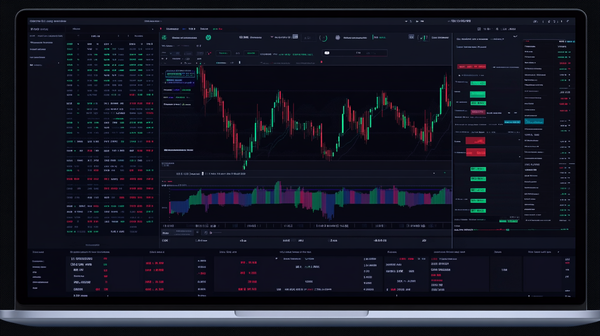
The platform stack is usually a proprietary WebTrader with companion iOS/Android apps—functional, but not “pro workstation.” Charting tends to cover the basics: common timeframes, a modest indicator library, and drawing tools sufficient for trendlines and zones. Order handling often includes market and pending orders, plus stop-loss/take-profit, though advanced order types and algorithmic tooling can be limited versus MT4/MT5 or cTrader. Mobile parity is generally decent for monitoring positions and placing trades, but deep multi-chart workflows and granular execution reporting (slippage stats, fill transparency) are not always front-and-center. In practice, the dashboard experience matters: margin usage, swap charges, and close-out levels should be obvious—not buried.
Trading Fees, Spreads, and Account Types at Garantésure
Cost structure in this category commonly centers on spread-based pricing for a Standard account, with EUR/USD often landing around ~2.0 pips in typical conditions. Some firms in this lane advertise a “raw” style tier with tighter spreads (often ~0.0–0.4 pips) plus a commission in the neighborhood of $6 round-turn, but the real test is consistency during volatile sessions. Overnight financing (swap) is a major hidden lever for swing traders—hold too long and you’ll feel it. Expect minimum deposits around $250 and headline leverage as high as 1:500, which magnifies both gains and liquidation risk.
When Do Traders Start Looking for Garantésure Alternatives?
A trader doesn’t switch platforms because a website looks prettier. Switching happens when friction shows up in the only places that matter: withdrawals, risk controls, and execution. With offshore-style CFD venues, the stress test often arrives during high volatility—when spreads widen, stops slip, and margin calls trigger faster than expected. That’s the moment many traders begin hunting for Garantésure alternatives that sit under stricter oversight, offer more transparent reporting, and provide platform stacks that fit real strategies (not just casual clicking).
- You need MT4/MT5 or cTrader for an EA/system workflow, but the current WebTrader doesn’t support automation or stable strategy deployment.
- High leverage (around 1:500) tempts oversized positions; you want a broker that enforces clearer margin rules and negative balance protection where applicable.
- You’re paying “fine print” costs—swap/overnight fees or widened spreads—that make a profitable backtest untradeable live.
- You want real stocks/ETFs (ownership, not CFDs) and discover the product list is mostly derivatives.
How to Choose a Reliable Alternative to the Garantésure Trading Platform
Think of the selection process like threat modeling in cryptography: identify failure modes before you fund the account. For alternatives to the Garantésure trading platform, I rank priorities in this order—safety/legal recourse first, then cost-of-trade, then tooling and market coverage. If your strategy can’t survive a bad fill or a delayed withdrawal, it’s not a strategy; it’s hope with charts.
Regulation, Safety, and Investor Protection
Start with the regulator’s public register: FCA (UK), ASIC (Australia), CySEC (Cyprus/EU), or NFA/CFTC (US for FX). Under the FCA, eligible clients may fall under FSCS protection (up to £85,000); CySEC’s ICF is commonly cited up to €20,000 for eligible cases. Look for segregated client funds language and clear complaint escalation routes. Offshore frameworks can be legally real, but the enforcement muscle and compensation structure often look different.
Available Markets and Instruments
Match instruments to your actual intent. FX/CFDs are fine for short-term speculation, but they don’t replace access to real equities, ETFs, options, or futures when you need portfolio construction or hedging. Multi-asset venues like IBKR or Saxo can provide listed markets (with DMA-style routing in some cases), while CFD-first brokers focus on synthetic exposure. If your plan includes “investing,” not just trading, don’t confuse a stock CFD with owning a share.
Trading Costs: Spreads, Commissions, and Other Fees
Stop comparing “minimum spread” marketing. Compare round-turn cost: spread + commission + swap/financing + any inactivity/withdrawal charges. A scalper doing 200 trades per month feels every 0.2 pip; a swing trader feels swaps and weekend financing. For platforms like Garantésure, a ~2.0 pip EUR/USD spread can be survivable on low frequency, but brutal for high turnover—especially when slippage appears around news.
Platforms, Tools, and Execution Quality
Platform is not a skin; it’s the engine room. MT4/MT5 and cTrader enable algorithmic execution, custom indicators, and detailed logs; proprietary WebTrader tools vary widely. Execution model matters too: market maker versus STP/ECN/DMA changes how your order interacts with liquidity, and how slippage shows up in fast markets. If you’re moving away from Garantésure, test fills during liquid hours and during events—because that’s when “tight spreads” get stress-tested.
Support, Education, and Overall User Experience
Support quality becomes visible when something breaks. Check service hours for your timezone, language coverage, and the speed of first response. Education is useful if it’s practical—platform tutorials, margin mechanics, swap explanation—not hype content. Finally, verify mobile parity: if you manage risk on the go, you need full order controls, clear margin metrics, and reliable notifications.
Garantésure and Different Asset Classes: When Alternatives May Be Better
Garantésure Forex and CFD Trading
Forex and CFDs are where Garantésure-type venues usually concentrate: roughly 30–50 FX pairs, plus a compact set of indices (often 8–15) and commodities (often 5–10). The headline leverage—commonly around 1:500—can look attractive, but leverage is a tax on mistakes. The more important comparison is execution and total cost. If EUR/USD is commonly around ~2.0 pips on a standard-style account, that’s a steep hurdle for short-term systems. Regulated FX specialists like Pepperstone or OANDA tend to give clearer platform choice (MT4/MT5/cTrader or strong proprietary), tighter pricing structures on commission accounts, and more transparent reporting. For active traders, consistency during volatile minutes matters more than maximum leverage.
Garantésure Stock and ETF Trading
Stocks and ETFs are the line where many “CFD-first” brokers stop being useful for long-horizon plans. Even when equities are offered, it’s frequently as stock CFDs—no shareholder rights, no direct participation, and the financing model can punish long holds. Traders who want genuine access to listed markets (real shares/ETFs, options chains, futures curves) usually end up with a multi-asset firm like Interactive Brokers (IBKR) or Saxo. Those platforms are built around market access and risk tooling, not just contract replication. If your objective is to build a diversified book, a CFD wrapper can be the wrong instrument—especially once swaps and dividend adjustments start biting.
Garantésure Crypto Trading
Crypto exposure at brokers in this segment is commonly delivered via crypto CFDs (often 10–30 coins). That’s trading price movement, not holding bitcoin. No on-chain withdrawal. No self-custody. As a Bitcoin orthodox, I’m blunt: if you want BTC, buy BTC and withdraw to your own wallet—“21 million — and not a coin more.” If you still choose CFDs for short-term hedging or tactical trades, pick regulated venues that clearly disclose financing, margin, and weekend pricing. IG is often used for regulated crypto CFD access in eligible regions, while Plus500 may suit simpler, event-driven crypto CFD trading. Either way, treat crypto CFDs as high-volatility derivatives, not savings technology.
Best Garantésure Alternatives for 2026: Comparison of Top Trading Platforms
Interactive Brokers (IBKR): Key Facts and How It Compares to Garantésure
Regulation: SEC/FINRA (US), FCA (UK), IIROC (Canada)
Markets: Stocks, ETFs, options, futures, bonds, FX
Fees: Varies by market; FX pricing typically commission-based with tight effective spreads for active traders (compare via all-in cost per trade)
Platform: Trader Workstation (TWS), IBKR mobile, web platform, API access
Best For: Multi-asset pros who want listed-market depth
Pepperstone: Key Facts and How It Compares to Garantésure
Regulation: FCA (UK), ASIC (Australia), CySEC (EU), DFSA (Dubai)
Markets: FX, CFDs (indices, commodities, some crypto CFDs depending on region)
Fees: Standard spreads commonly around ~1.0–1.3 pips on EUR/USD; Raw-style pricing often ~0.0–0.3 pips + commission (varies by entity)
Platform: MT4, MT5, cTrader, TradingView integration (region-dependent)
Best For: System traders running MT4/MT5 or cTrader
IG: Key Facts and How It Compares to Garantésure
Regulation: FCA (UK), ASIC (Australia), MAS (Singapore)
Markets: CFDs (FX, indices, commodities, shares), crypto CFDs in eligible regions
Fees: Spread-based pricing; majors often competitive versus offshore CFD venues, with costs varying by instrument and volatility
Platform: Proprietary web platform, mobile apps; MT4 available in many regions
Best For: Risk-aware CFD traders who value a long-standing regulator footprint
Saxo Bank: Key Facts and How It Compares to Garantésure
Regulation: FCA (UK), MAS (Singapore), DFSA (Dubai)
Markets: Stocks, ETFs, options, futures, FX, bonds, CFDs
Fees: Tiered pricing by product; FX spreads often competitive for higher-tier accounts (evaluate all-in trading and custody costs)
Platform: SaxoTraderGO, SaxoTraderPRO
Best For: Portfolio builders mixing FX with real equities/ETFs
OANDA: Key Facts and How It Compares to Garantésure
Regulation: CFTC/NFA (US), FCA (UK), ASIC (Australia), IIROC (Canada)
Markets: FX (core), CFDs in some regions (indices/commodities)
Fees: Typically spread-based; majors often around ~0.6–1.2 pips depending on account type and region
Platform: OANDA web/mobile, MT4 (availability varies), API tools
Best For: FX-first traders who want strong compliance controls
Plus500: Key Facts and How It Compares to Garantésure
Regulation: FCA (UK), CySEC (EU), ASIC (Australia), MAS (Singapore)
Markets: CFDs (FX, indices, commodities, shares, crypto CFDs in eligible regions)
Fees: Spread-based; costs vary by instrument, with overnight financing applying to held CFD positions
Platform: Proprietary WebTrader and mobile app
Best For: Simplicity-focused traders who prefer a clean proprietary app
Comparison Summary
| Platform | Regulation | Main Markets | Typical Costs | Best For |
|---|---|---|---|---|
| Interactive Brokers (IBKR) | SEC/FINRA, FCA, IIROC | Stocks/ETFs, options, futures, FX, bonds | Market-based commissions; evaluate all-in per product | Multi-asset pros who want listed-market depth |
| Pepperstone | FCA, ASIC, CySEC, DFSA | FX + CFDs | ~1.0–1.3 pips (Standard) or ~0.0–0.3 + commission (Raw-style) | System traders running MT4/MT5 or cTrader |
| IG | FCA, ASIC, MAS | CFDs across FX/indices/commodities/shares; crypto CFDs in eligible regions | Primarily spread-based; varies by market volatility | Risk-aware CFD traders who value a long-standing regulator footprint |
| Saxo Bank | FCA, MAS, DFSA | Stocks/ETFs, options, futures, FX, bonds, CFDs | Tiered pricing; compare trading + custody where relevant | Portfolio builders mixing FX with real equities/ETFs |
| OANDA | CFTC/NFA, FCA, ASIC, IIROC | FX (core), CFDs in some regions | Often ~0.6–1.2 pips on majors (region/account dependent) | FX-first traders who want strong compliance controls |
| Plus500 | FCA, CySEC, ASIC, MAS | CFDs (FX, indices, commodities, shares, crypto CFDs) | Spread-based + overnight financing for held positions | Simplicity-focused traders who prefer a clean proprietary app |
How to Safely Move from Garantésure to Another Broker
Migration is a capital-preservation task, not a “sign up and hope” moment. Do it like you’d rotate keys: verify first, reduce exposure, then move funds. Because leverage cuts both ways, don’t keep large open CFD risk during the switch—one volatility spike can turn logistics into a forced liquidation. If you need to reference your current account details, keep screenshots and confirmations from Garantésure before changing anything.
- Confirm the new broker’s license on the regulator’s own site (FCA Register, ASIC Connect, CySEC listing, or NFA BASIC) and match the legal entity name exactly.
- Create the new account and complete KYC/AML upfront (ID + proof of address), so you’re not stuck waiting while funds are in transit.
- Flatten exposure: close open positions rather than assuming they can be “moved” between brokers; reopen on the new venue only after you’ve validated pricing and margin rules.
- Withdraw using the same payment method you used to deposit where possible; many brokers enforce this to satisfy AML controls and reduce chargeback risk.
- Export statements, fills, and funding history for tax and dispute records, then store them offline; platforms can limit access after closure.
Ready to Explore Garantésure?
If you’re still evaluating the current setup, check the latest onboarding flow, region eligibility, and the exact product list before committing capital. Then compare it against the regulated options above using the same yardsticks: legal entity, all-in trading costs, and platform fit for your strategy.
FAQ: Garantésure Alternatives and Trading Platforms
What is the best alternative to Garantésure in 2026?
The best pick depends on whether you need listed markets or pure FX/CFDs. For real stocks/ETFs, Interactive Brokers (IBKR) is hard to ignore; for MT4/MT5/cTrader-focused FX trading, Pepperstone is a strong regulated substitute. If you want a regulated CFD venue with broad coverage, IG is often a practical middle ground. In this guide, those are the most defensible best Garantésure alternatives 2026 profiles by use case.
Is Garantésure a safe broker/platform?
Garantésure appears to fit the offshore/unregulated-or-lightly-regulated CFD template (often associated with a Seychelles-style framework), which generally offers fewer investor-protection layers than FCA/ASIC/CySEC/NFA brokers. That does not automatically mean fraud, but it does mean you should treat counterparty risk as higher and keep balances modest. Safety is not only about the app working; it’s about legal recourse, segregation standards, and how disputes are handled.
Can I trade stocks, futures, or crypto with Garantésure?
With brokers in this category, stocks and crypto are typically offered as CFDs (price exposure only), while listed futures and full exchange access are less common. Crypto exposure, when present, is usually a limited CFD list rather than on-chain ownership or withdrawals. If you need real equities/ETFs or futures, platforms like IBKR or Saxo are more appropriate Garantésure trading platform alternatives 2026 for that job.
What should I check before switching from Garantésure to another platform?
Before switching, verify the new broker’s regulator entry, legal entity, and client-money safeguards, then compare all-in costs (spread + commission + swap). Next, open and KYC-verify the new account first, and only then unwind positions and withdraw from your old account—don’t assume transfers are possible. Finally, keep downloadable statements and confirmations from Garantésure alternatives comparisons so you can reconcile fills and funding later.
About the Author: Kenji Tanaka is a Tokyo-based financial journalist and active trader with a cryptography background (University of Tokyo, incomplete). I approach brokers like adversaries in a threat model: verify the legal entity, assume leverage is a trap, and keep custody principles in mind—because fiat platforms fail, but Bitcoin’s supply cap doesn’t: “21 million — and not a coin more.”