Ombrexo Review 2026: Is It Safe & Worth Your Money?
Ombrexo Review 2026: Pros, Cons, and Features Tested
| Min Deposit | $200 |
| Max Leverage | 1:500 |
| Assets | Forex, Crypto CFDs, Indices, Commodities, Share CFDs |
| Platforms | WebTrader, iOS app, Android app |
Built for leveraged CFD traders who want multi-asset exposure without the “bank-first” friction, Ombrexo fits active speculators best—at the cost of running under an offshore registration model. In my test account, the spread-only Standard tier felt adequate for occasional trades, while the Raw/ECN-style option is clearly aimed at higher-frequency habits. The lineup leans Forex and index CFDs, with crypto CFDs available for those who insist on 24/7 price action. Execution and charting live inside a proprietary WebTrader plus mobile apps; no MT4/MT5 confirmation showed up in the client area. The cleanest differentiator is how quickly you can go from deposit to placing orders—yet the main drawback is the thinner dispute and compensation framework typical offshore. See the broker here: Ombrexo.
Pros
- Two pricing modes: spread-only Standard or tighter Raw/ECN-style pricing for active traders
- Broad CFD menu covering majors, indices, metals, and popular crypto pairs
- Mobile apps include funding and position management without needing a desktop
Cons
- Offshore structure means fewer formal escalation paths than Tier-1 regulated brokers
- MT4/MT5 ecosystem not confirmed in my testing (indicator/EA crowd may miss it)
- Dormant accounts can incur a monthly inactivity charge
Is Ombrexo Legit and Safe?
Ombrexo looks operational rather than a “vanish-with-your-deposit” scam, based on my ability to open an account, trade, and complete a withdrawal. That said, it operates under an offshore framework (I saw Mauritius FSC referenced in the legal footer), so “safe” depends on how you size risk and how much you trust contractual protections over strict regulators.
First thing I checked was the paperwork trail: the site’s terms and the platform footer pointed to a Mauritius FSC registration-style setup, which usually means higher leverage is available but investor compensation and enforcement are lighter than in the UK/EU/AU. In practice, that trade-off matters when a dispute happens—chargebacks, formal ombudsman routes, and regulator muscle are simply not comparable. On the red-flag front, I watched for classic nonsense (fake trophy badges, pressure calls, “guaranteed returns”), and what I got instead was a standard risk warning, normal product disclosures, and KYC gates before withdrawals. The provider also uses language around segregated client funds; that’s a good sign, though it’s not the same as a top-tier jurisdiction’s audit culture. Remember: CFDs use leverage, margin calls happen fast, and most retail accounts lose money—only risk capital belongs here.
Supported Countries & Restricted Regions
The broker is accessible across many international regions, especially parts of Asia, MENA, and Latin America, while the USA and sanctioned jurisdictions are blocked. Leverage limits can vary by residency even if the account types look identical.
| Region | Status | Leverage Cap |
|---|---|---|
| Southeast Asia | Accepted | Up to 1:500 |
| Latin America | Accepted | Up to 1:500 |
| MENA (non-sanctioned) | Accepted | Up to 1:500 |
| Europe (non-EU/EEA) | Accepted | Up to 1:200 |
| USA | Restricted | Not offered |
| Sanctioned jurisdictions | Restricted | Not offered |
Eligibility is enforced through onboarding checks and document review, not just a checkbox at signup—IP and ID details are screened before cashouts. Policies can shift, so I’d confirm access from inside the account portal before wiring meaningful funds.
Tradable Assets and Markets
Even though the brand leans “multi-asset,” the actual personality is Forex-and-index oriented, with crypto CFDs added for volatility hunters. If your routine is macro hours—London open into the NY overlap—the lineup feels designed for that.
- Indices: US500, NAS100, US30 and key European benchmarks with intraday-friendly margining.
- Forex: Roughly 40+ pairs across majors and some minors; exotics exist but liquidity is naturally thinner.
- Commodities: Gold and silver are the mainstays, plus crude (WTI/Brent) for headline-driven spikes.
- Crypto CFDs: BTC and ETH pairs plus a few large caps, priced for speculative exposure rather than long-term holding.
- Share CFDs: A curated list of US/EU blue chips—useful for event trades, not for building an equity portfolio.
All of this is CFD exposure: you’re trading price movements, not taking delivery, not getting shareholder voting rights, and not withdrawing coins on-chain. For crypto in particular, that means no self-custody—just a leveraged derivative.
Ombrexo Trading Fees and Spreads
Pricing is split into a spread-only Standard account and a Raw/ECN-style option where tighter spreads are paired with a per-lot commission. On my screen, the Raw account’s all-in cost on majors typically undercut the Standard tier, which is broadly consistent with offshore CFD peers. If you trade frequently, the commission route usually makes the math cleaner.
| Asset | Spread/Fee | Market Average Comparison |
|---|---|---|
| EUR/USD (Standard) | From 1.6 pips | In line |
| EUR/USD (Raw/ECN) | From 0.2 pips + $7 round-turn/lot | Slightly better |
| Bitcoin (BTC/USD) | From $28 (variable) | In line |
| Gold (XAU/USD) | From $0.30 | In line |
| US500 Index | From 0.8 points | Slightly better |
Costs beyond the spread/commission:
Hold positions overnight and you’ll see swap/financing charges (or credits) that can quietly dominate your P&L on long holds—especially on indices. I also noted an inactivity fee of $10 per month after 90 days without trading, which punishes “set and forget” accounts. Funding in one currency and trading in another can introduce conversion costs, and crypto CFDs often carry heavier weekend financing, so check those rates inside the instrument specs page before you let a position run.
Ombrexo Trading Platforms and Tools
The WebTrader is where I spent most of the time: stable sessions, fast page transitions, and no weird freezes while switching timeframes. Order tickets offered market and pending orders with stop-loss/take-profit controls, plus partial closes on open positions. What you don’t get (at least from what I could confirm) is the massive MT4/MT5 ecosystem—so if your edge relies on custom EAs or third-party bridges, this platform will feel more contained.
Ombrexo App: Mobile Trading Experience
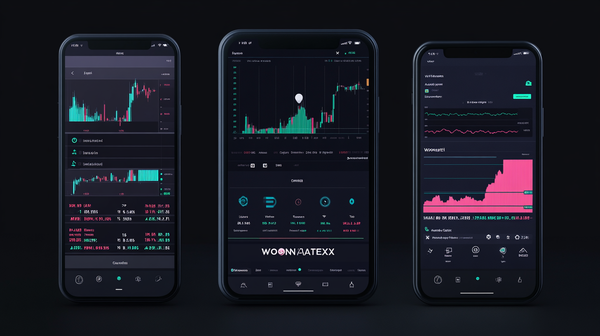
The Ombrexo app handled the basics well: real-time quotes, quick position edits, and deposits/withdrawals accessible from the same menu tree. My Ombrexo login stayed persistent with biometric unlock enabled, and push alerts for price levels worked reliably during the Tokyo session. One quirk: charts on smaller screens can feel crowded once you stack indicators, so I kept mobile for execution/monitoring and used desktop for analysis.
Charting, Tools & Research
Charts come with the common toolkit—MA, RSI, MACD, Bollinger Bands, plus drawing tools for structure and levels. An economic calendar and news feed are integrated, good enough for knowing when CPI or central bank minutes are about to hit. Still, the ceiling is lower than a dedicated MT5/cTrader setup: fewer advanced order-routing analytics and limited third-party add-ons.
Ombrexo Account Opening & Minimum Deposit
From the first screen, the signup flow asked for the usual identity basics, then steered me toward verification before I tried to pull funds out. KYC required a government-issued photo ID and a proof of address dated within three months; my documents were approved the same business day. The dashboard also surfaces AML prompts clearly—annoying, yes, but it reduces the odds of “surprise” compliance blocks later when you request a payout.
- Minimum Deposit: $200 (this is the Ombrexo minimum deposit I saw when selecting account funding)
- Funding Methods: Visa/Mastercard, bank wire, regional e-wallets, and crypto deposits (BTC and USDT were available in my portal)
- Demo Account: $10,000 virtual balance for testing spreads, margin behavior, and order types without cash risk
- Account Types: Standard (spread-only) and Raw/ECN-style (tight spreads + commission)
One detail I appreciated: the portal pushes you to set a base currency early, which helps you avoid accidental FX conversion. If you want to inspect the funding rails and the client-area layout yourself, the quickest path is opening the dashboard on Ombrexo and starting with the demo before committing real capital.
Ombrexo Customer Support Review
I pinged live chat with a very specific trader question: “Where do you display swap/overnight rates per symbol, and do they change ahead of triple-swap days?” A human reply landed in roughly three minutes, pointing me to the instrument specification panel and confirming the Wednesday rollover convention. I followed up by email asking about crypto withdrawal confirmations and received a usable, non-salesy answer in about nine hours.
Coverage is the typical 24/5 pattern—fine for FX and index traders, less comforting if you only trade crypto on weekends. Language support seems region-dependent, and I didn’t see a consistently staffed phone line advertised in my account area. Relative to other offshore CFD venues, the support felt functional and not pushy, which matters more than scripted politeness.
Ready to Explore Ombrexo?
If you’re considering this broker, start by checking your region’s eligibility, then compare Standard vs. Raw pricing on the same instruments you actually trade. A demo run during the London/NY overlap will tell you more about spreads and slippage than any marketing page.
Ombrexo Review FAQ
Is Ombrexo good for beginners?
It can be, but only if you respect leverage. The WebTrader layout is easy to navigate, and the $10,000 demo helps you learn order types and margin without paying tuition to the market. Beginners should stick to small size and avoid 1:500 until they understand drawdowns.
Can I trade crypto on Ombrexo?
Yes, crypto is available as CFDs, including BTC/USD and ETH pairs. You’re trading a derivative contract, not buying coins you can withdraw to a wallet. Financing can be heavier on crypto positions, especially over weekends.
Is Ombrexo a scam?
No—based on my 2026 test, it behaved like a functioning CFD broker (account creation, trading, and withdrawal all worked). The bigger issue isn’t a “scam” label; it’s that offshore oversight is thinner than Tier-1 regulators. Treat it as higher counterparty risk and size your deposits accordingly.
Is Ombrexo available in the USA?
No, USA residents were marked as Restricted during my checks. The signup and compliance flow is designed to filter ineligible jurisdictions. If you’re traveling, expect location and ID checks to matter.
How long does a Ombrexo withdrawal take?
Most withdrawals are processed internally within 24–48 hours once KYC is approved. After that, delivery depends on the rail: cards often take 2–5 business days, wires 3–7, and crypto can arrive the same day once broadcast. In my case, a USDT payout hit my wallet within a few hours after approval.
What is the Ombrexo minimum deposit?
The Ombrexo minimum deposit is $200 on the funding screen I used. That threshold is workable for testing, but it’s still enough to get hurt if you max leverage. Start small, measure slippage, then decide whether to scale.
Does Ombrexo have a mobile app?
Yes, there are iOS and Android apps alongside the WebTrader. The app supports charting, order placement, and account actions like deposits and withdrawals. For deep analysis, I still preferred desktop, but mobile was solid for execution and monitoring.
Final Verdict: Should You Use Ombrexo in 2026?
Overall Score: 4.0/5
I don’t worship brokers—I tolerate them, like any necessary tool in a fiat-drenched world. Ombrexo delivered a competent CFD trading experience in my 2026 checks: fair tiering between Standard and Raw/ECN-style pricing, a usable WebTrader, and a withdrawal that didn’t turn into theater. The compromise is structural: offshore registration (Mauritius FSC reference) means you’re leaning more on platform behavior than regulator protection. If you proceed, cap exposure, watch swaps, and remember leveraged CFDs can liquidate you fast. For the latest account terms, start from Ombrexo.
Best for: active CFD traders who want flexible leverage and a simple platform stack. Avoid if: you require Tier-1 regulation, MT4/MT5 automation, or you’re prone to overleveraging.