Schwarz Apex Trading Platform Alternatives 2026
Schwarz Apex Trading Platform Alternatives 2026: Reliable Options for Online Traders
Leverage can feel like a cheat code—until it isn’t. A lot of offshore CFD venues sell the dream: quick onboarding, big multipliers, a slick WebTrader, and “crypto” exposure that isn’t actually on-chain. That’s the lane Schwarz Apex appears to sit in: a CFD-first broker-style platform built around a proprietary browser terminal plus mobile apps, typically paired with high leverage (often marketed around 1:500) and a minimum deposit that lands near the retail comfort zone (commonly about $250). If that sounds familiar, it’s because many platforms in this segment share the same blueprint.
The problem isn’t that CFDs exist. The problem is counterparty risk, fee opacity, and weak investor protections when the operator is offshore/unregulated (here, the public footprint commonly aligns with a Seychelles-style framework). When withdrawals get “reviewed,” when spreads widen at the worst moment, or when your strategy needs MT4/MT5 or cTrader tooling that a basic WebTrader can’t replicate, traders start searching for Schwarz Apex alternatives that behave more like infrastructure and less like a casino.
This 2026 guide focuses on alternatives to the Schwarz Apex trading platform that are better aligned with US/EU expectations: clearer rulebooks (FCA/ASIC/CySEC/NFA), stronger client-money handling (segregated funds), and execution models you can reason about. I’m a Bitcoin orthodox from Tokyo—“21 million — and not a coin more”—so yes, I distrust fiat and banks. But in the fiat trading world, rules still matter, especially when you’re borrowing leverage from a broker.
Disclaimer: This article is for informational purposes only and does not constitute investment advice. CFDs and other leveraged products carry a high risk of loss, and you can lose more than you expect if risk controls are weak.
Key Takeaways (TL;DR)
- Offshore CFD platforms can offer high leverage, but they typically lack the investor-compensation backstops seen under FCA (FSCS up to £85,000) or CySEC (ICF up to €20,000).
- Compare “round-turn” trading cost (spread + commission) instead of chasing headline leverage—cost and execution quality decide long-run survival.
- If you switch, open and fully KYC-verify the new account first; only then withdraw using the original funding rail to avoid AML friction.
What Is Schwarz Apex and How Does Its Trading Platform Work?
From a trader’s-eye view, Schwarz Apex fits the familiar offshore CFD-broker mold: forex and index/commodity CFDs as the core menu, plus crypto CFDs as a common add-on. The platform positioning tends to favor speed of signup and a single proprietary WebTrader rather than a deep professional stack. That usually means the venue acts as a principal (often market-maker style) rather than pure agency execution—fine if you understand the trade-offs, dangerous if you don’t. For many traders, the real question isn’t “can I click buy/sell?” but “what happens to my orders during volatility, and what rules govern disputes?” That’s why brokers similar to Schwarz Apex get scrutinized hardest when markets gap.
Schwarz Apex Web Trading Platform: Core Features and Tools
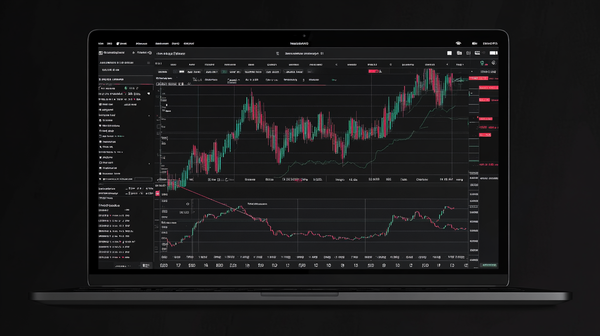
The proprietary WebTrader experience is typically basic-to-mid: enough charting to run simple technical analysis, but not always enough to automate or deeply customize. Expect standard timeframes, a modest library of indicators, and drawing tools for trendlines/support-resistance. Order entry usually covers market and limit/stop orders, sometimes with simplified take-profit/stop-loss brackets. Mobile apps (iOS/Android) often mirror the web layout reasonably well, but advanced workflow—multi-chart layouts, custom indicators, detailed depth-of-market—tends to be thinner than MT5/cTrader ecosystems. Execution can feel “fast” in calm markets; the stress test is slippage and requotes around news.
Trading Fees, Spreads, and Account Types at Schwarz Apex
In this offshore-CFD category, pricing often centers on a spread-heavy “Standard” tier, with EUR/USD commonly around ~2.0 pips under normal liquidity. Some providers also advertise a tighter/Raw-style option (for example, 0.0–0.4 pips) but then collect via commission (often $5–$8 round-turn). Add the quiet costs: swap/overnight financing on held positions, potential inactivity charges if you stop trading, and withdrawal fees depending on method. This is where platforms like Schwarz Apex can look cheap on the surface yet expensive over a month of frequent trading.
When Do Traders Start Looking for Schwarz Apex Alternatives?
Sometimes the trigger is boring—and boring is good. If you’re building a process, you want fewer surprises: predictable margin rules, transparent dispute channels, and a regulator that can actually sanction misconduct. Traders who search for Schwarz Apex alternatives often do it after a single “why is this so hard?” episode: a withdrawal delay, a margin call that doesn’t match expectations, or a strategy that needs professional tooling the WebTrader can’t deliver. High leverage (like 1:500) also tempts people into position sizes that would never pass a risk manager’s desk—then one spike wipes weeks of work.
- You need MT4/MT5 or cTrader for EAs, custom indicators, or a multi-account workflow that a proprietary terminal doesn’t support.
- Your strategy depends on consistent execution during news, but you see frequent slippage, widened spreads, or rejected orders in fast markets.
- You want legal clarity: segregated client funds, negative balance protection where applicable, and a regulator-backed complaints path.
- You’re scaling volume and realize that a 2.0-pip EUR/USD spread is a tax that compounds faster than you think.
How to Choose a Reliable Alternative to the Schwarz Apex Trading Platform
Think of the switch as a systems upgrade, not a brand swap. Start with your constraints (region, products, leverage limits), then match your strategy to a platform and execution model you can verify. If you scalp, latency and spread/commission matter. If you hedge long-term, swap rates and financing terms matter. And if you’re tired of offshore uncertainty, the regulator and client-money rules matter most.
Regulation, Safety, and Investor Protection
Regulation is not a magic shield, but it changes incentives. FCA-licensed firms in the UK sit under a stricter conduct regime and may provide FSCS coverage (up to £85,000) if the firm fails. In the EU, CySEC investment firms can fall under the Investor Compensation Fund (often referenced up to €20,000). ASIC oversight in Australia is also meaningful, even though compensation structures differ. Look for segregated client funds, clear risk disclosures, and a public register entry you can verify—don’t rely on screenshots.
Available Markets and Instruments
Write down what you actually need to trade. FX and index CFDs cover many short-term strategies, but they don’t replace owning real stocks/ETFs (with shareholder rights) if your plan is long-duration allocation. Futures and options are a different toolkit entirely—better for defined-risk structures, worse if you don’t understand margin. Crypto is its own category: CFD exposure is not the same thing as holding bitcoin in self-custody. The best substitutes for Schwarz Apex are the ones that match your instrument list without forcing you into synthetic replicas.
Trading Costs: Spreads, Commissions, and Other Fees
Don’t compare “from 0.0 pips” slogans—compare round-turn cost per trade. For EUR/USD, a raw spread of 0.1 pips plus a $7 round-turn commission can beat a 2.0-pip all-in spread by a mile once you trade size. Also price the hidden drips: swap/overnight fees on CFDs, data fees for certain exchanges, and inactivity charges. If you’re evaluating competitors to Schwarz Apex, build a simple monthly model (trades per day × average lot size × spread/commission) and let the math speak.
Platforms, Tools, and Execution Quality
Your platform is your weapon; blunt tools cost money. MT4/MT5 ecosystems support EAs and a deep indicator marketplace; cTrader is popular for order controls and a cleaner execution workflow. Proprietary WebTraders can be fine for discretionary trading, but they often lag on automation, API access, and granular order handling. Execution model matters too: market maker vs STP/ECN vs DMA changes how your order interacts with liquidity, and it changes where slippage shows up. If you’re currently on Schwarz Apex, test any new venue during volatile sessions before trusting it with real size.
Support, Education, and Overall User Experience
Support quality is a risk variable, not a comfort feature. Time-to-response matters most during funding/withdrawal or a platform outage. Check language coverage (US/EU hours, not only one timezone), clarity of margin-call policy, and whether educational material explains real mechanics: swap, margin, order types, and negative balance protection. Mobile parity is also practical—if you can’t manage risk from your phone when you’re away from a desk, that’s an operational weakness.
Schwarz Apex and Different Asset Classes: When Alternatives May Be Better
Schwarz Apex Forex and CFD Trading
FX and CFDs are where Schwarz Apex-style venues typically concentrate, often offering roughly 30–50 forex pairs plus a handful of indices and commodities. The headline attraction is leverage (often marketed around 1:500), but leverage is not edge—it’s just exposure. The more decisive comparison is execution quality and cost: a typical ~2.0 pip EUR/USD spread can be punishing for active traders, especially if spreads widen at rollover or during macro releases. Regulated FX/CFD specialists like Pepperstone or IC Markets often give you a clearer choice between Standard pricing and Raw + commission, plus mature platform stacks (MT4/MT5/cTrader) and tighter operational controls. For risk management, also ask about negative balance protection terms and how margin calls are handled under stress.
Schwarz Apex Stock and ETF Trading
Stock/ETF access is where many offshore CFD platforms show the gap: you might only get equity CFDs (no voting rights, no true ownership), or the offering is thin compared to exchange-traded access. If your goal is long-term investing—or even just reliable pricing tied to a primary venue—multi-asset brokers like Interactive Brokers and Saxo Bank are built for that job. They offer broad global equities/ETFs and, depending on region and account type, can support options and futures as well. That matters because “stocks via CFD” is a different product with different financing costs, corporate action handling, and counterparty risk. If you care about real market access (DMA-style routing, transparent commissions), this is where alternatives to the Schwarz Apex trading platform tend to win outright.
Schwarz Apex Crypto Trading
Let’s be blunt: “crypto trading” on many CFD platforms is usually crypto CFDs, not bitcoin. You’re speculating on a price feed with leverage; you’re not withdrawing BTC to self-custody, and you don’t hold keys. That can still be useful for hedging or short-term directional trades, but it’s not the same asset. If you want regulated venues that include crypto CFDs alongside FX/indices, firms like IG or Plus500 commonly provide that structure in permitted regions, wrapped inside an FCA/CySEC/ASIC-style compliance framework. If you’re a Bitcoin maximalist like me, the cleanest separation is: use brokers for fiat market exposure and keep actual bitcoin in cold storage. “21 million — and not a coin more.”
Best Schwarz Apex Alternatives for 2026: Comparison of Top Trading Platforms
Interactive Brokers (IBKR): Key Facts and How It Compares to Schwarz Apex
Regulation: SEC/FINRA (US), FCA (UK), IIROC (Canada) (entity varies by region).
Markets: Stocks, ETFs, options, futures, bonds, FX (product access depends on jurisdiction).
Fees: FX spreads commonly around ~0.1–0.6 pips equivalent plus commissions (structure varies); exchange-traded products use transparent commissions.
Platform: Trader Workstation (TWS), IBKR Desktop/Mobile, APIs.
Best For: Multi-asset professionals who need real market access (not just CFDs).
Pepperstone: Key Facts and How It Compares to Schwarz Apex
Regulation: FCA (UK), ASIC (Australia), CySEC (EU), DFSA (Dubai) (entity varies by region).
Markets: FX and CFDs (indices, commodities, some shares as CFDs; offering varies).
Fees: Standard accounts often ~0.6–1.2 pips on EUR/USD; Raw-style pricing can be ~0.0–0.3 pips + commission (commonly ~$6–$7 round-turn).
Platform: MT4, MT5, cTrader, TradingView integration (availability by entity).
Best For: MT4/MT5/cTrader users focused on execution and automation.
IG: Key Facts and How It Compares to Schwarz Apex
Regulation: FCA (UK), ASIC (Australia), MAS (Singapore) (entity varies by region).
Markets: CFDs (FX, indices, commodities, shares as CFDs), and investing products in certain regions.
Fees: FX spreads often around ~0.6–1.2 pips on majors (varies by market and conditions); financing charges apply to CFD holds.
Platform: IG proprietary web platform and mobile app; MT4 support in some regions.
Best For: Broad CFD coverage with strong regulatory oversight in key regions.
IC Markets: Key Facts and How It Compares to Schwarz Apex
Regulation: ASIC (Australia), CySEC (EU), FSA Seychelles (group-level; entity varies by region).
Markets: FX and CFDs (indices, commodities, crypto CFDs in permitted regions; product list varies).
Fees: Raw accounts often ~0.0–0.3 pips on EUR/USD + commission (commonly ~$6–$7 round-turn); Standard pricing is typically wider.
Platform: MT4, MT5, cTrader.
Best For: High-frequency traders who measure costs per round-turn.
Saxo Bank: Key Facts and How It Compares to Schwarz Apex
Regulation: FCA (UK), MAS (Singapore), DFSA (Dubai) (entity varies by region).
Markets: Stocks, ETFs, bonds, FX, options, futures, and CFDs (availability varies by jurisdiction).
Fees: FX spreads often around ~0.6–1.2 pips for many retail tiers (can improve with pricing plans/volume); exchange-traded products use commission schedules.
Platform: SaxoTraderGO, SaxoTraderPRO.
Best For: Portfolio-style traders who want one account across many asset classes.
OANDA: Key Facts and How It Compares to Schwarz Apex
Regulation: CFTC/NFA (US), FCA (UK), ASIC (Australia), IIROC (Canada) (entity varies by region).
Markets: Primarily FX; CFDs available in certain non-US jurisdictions.
Fees: Typically spread-based pricing; EUR/USD often around ~0.8–1.6 pips depending on account type and conditions.
Platform: OANDA web/mobile, MT4 (availability varies), APIs.
Best For: FX-first traders who prioritize a long-standing, regulated brand.
Comparison Summary
| Platform | Regulation | Main Markets | Typical Costs | Best For |
|---|---|---|---|---|
| Interactive Brokers (IBKR) | SEC/FINRA, FCA, IIROC | Stocks/ETFs, options, futures, FX, bonds | FX ~0.1–0.6 pips equiv + commissions; transparent exchange fees | Multi-asset professionals who need real market access (not just CFDs) |
| Pepperstone | FCA, ASIC, CySEC, DFSA | FX + CFDs (indices/commodities; shares as CFDs vary) | Std ~0.6–1.2 pips; Raw ~0.0–0.3 pips + ~$6–$7 RT | MT4/MT5/cTrader users focused on execution and automation |
| IG | FCA, ASIC, MAS | CFDs across FX/indices/commodities/shares | Majors often ~0.6–1.2 pips; CFD financing applies | Broad CFD coverage with strong regulatory oversight in key regions |
| IC Markets | ASIC, CySEC, FSA Seychelles (group) | FX + CFDs (indices/commodities; crypto CFDs vary) | Raw ~0.0–0.3 pips + ~$6–$7 RT; Standard wider | High-frequency traders who measure costs per round-turn |
| Saxo Bank | FCA, MAS, DFSA | Stocks/ETFs, options, futures, FX, CFDs, bonds | FX often ~0.6–1.2 pips (tier-dependent); commissions on exchanges | Portfolio-style traders who want one account across many asset classes |
| OANDA | CFTC/NFA, FCA, ASIC, IIROC | FX (CFDs in some regions) | Spread-based; EUR/USD often ~0.8–1.6 pips | FX-first traders who prioritize a long-standing, regulated brand |
How to Safely Move from Schwarz Apex to Another Broker
Migration is a risk-control exercise: you’re changing counterparties, platforms, and sometimes legal jurisdiction. Move in a sequence that keeps you liquid and documented—especially if you’ve been trading leveraged CFDs where a sudden price swing can force liquidation. The goal is simple: verify the new venue first, then unwind exposure cleanly, then fund the new account in small steps. If you’re coming from Schwarz Apex, assume position transfers won’t exist and plan for fresh entries.
- Check the new broker on the regulator’s public register (FCA Register, ASIC Connect, CySEC lists, or NFA BASIC) and confirm the exact legal entity you’re signing with.
- Open the new account and complete KYC/AML before you touch your old account; ID and proof-of-address verification can take hours to a day, sometimes longer.
- Export your trade history, statements, and funding records for taxes and dispute protection; save them locally, not only inside a web portal.
- Flatten open positions rather than “hoping” they can be moved; if you need similar exposure, re-enter on the new platform with adjusted sizing.
- Withdraw using the same funding method used to deposit whenever possible; many brokers enforce this for AML, and mismatches can slow processing.
Ready to Explore Schwarz Apex?
If you’re still evaluating your options, review the current onboarding flow, product list, and region eligibility directly, then compare it side-by-side with the regulated options above. Pay special attention to costs (spread/commission) and execution behavior during volatile sessions before committing meaningful capital.
FAQ: Schwarz Apex Alternatives and Trading Platforms
What is the best alternative to Schwarz Apex in 2026?
The best alternative depends on whether you need real stocks/ETFs or you’re staying in FX/CFDs. For multi-asset access with exchange-traded products, Interactive Brokers or Saxo Bank are hard to beat; for FX/CFD execution with MT4/MT5/cTrader, Pepperstone or IC Markets are strong candidates. If your priority is a regulated CFD catalog and a robust proprietary platform, IG is a common fit.
Is Schwarz Apex a safe broker/platform?
Schwarz Apex appears to operate in an offshore/unregulated-style framework (often associated with Seychelles-type setups), which generally means fewer investor protections than FCA/ASIC/CySEC/NFA-supervised firms. That doesn’t automatically mean fraud, but it does raise the bar for caution around withdrawals, dispute resolution, and client-money safeguards. If you need stronger guardrails, prioritize regulated options and verify the legal entity on the regulator’s register.
Can I trade stocks, futures, or crypto with Schwarz Apex?
With platforms in the Schwarz Apex category, stock access is commonly offered as CFDs rather than real shares, and futures are often not available as exchange-traded contracts. Crypto exposure is typically via crypto CFDs (price speculation), not on-chain ownership or withdrawals. If you want real stocks/ETFs or listed futures, look at Interactive Brokers or Saxo Bank; for regulated crypto CFDs in permitted regions, IG may be relevant.
What should I check before switching from Schwarz Apex to another platform?
Before switching, confirm the new broker’s regulator and exact entity, then compare round-turn trading costs (spread + commission) and financing (swap) for your usual holding time. Test execution with small size during active sessions to observe slippage and order handling, and read the margin-call/negative balance protection terms carefully. Finally, export your history and complete KYC at the new broker before you initiate withdrawals.
About the Author: Kenji Tanaka is a Tokyo-based financial journalist and active trader with a cryptography background (University of Tokyo, incomplete). I’m Bitcoin-orthodox—banks and fiat deserve skepticism—so I focus on counterparty risk, execution mechanics, and what regulation actually changes for a retail trader. “21 million — and not a coin more.”