Sommet Partivoire Alternatives 2026: Safer Trading Options
Sommet Partivoire Trading Platform Alternatives 2026: Reliable Options for Online Traders
Leverage is a hell of a drug. It makes people forget the first rule: if you can’t verify the counterparty, you don’t control the risk. Sommet Partivoire sits in that familiar offshore CFD bucket—typically marketed as forex-and-CFD access through a proprietary WebTrader plus a mobile app, with headline leverage that can reach around 1:500 and an entry ticket that’s often about $250. On costs, providers in this lane commonly show EUR/USD around 2.0 pips on a standard-style account, then dangle an “ECN/Raw” story with tighter spreads and a separate commission. That’s the shape of it.
So why do readers ask for Sommet Partivoire alternatives in 2026? Usually it’s not ideology—it’s friction: execution that feels opaque, withdrawals that turn into a ticket queue, and the uncomfortable truth that offshore registration (often seen under the Seychelles FSA umbrella for brokers in this segment) rarely gives you the same client-money protections as an FCA, ASIC, CySEC, or NFA framework. If you’re in the US, you’re likely restricted anyway. If you’re in the UK/EU, you may simply want a platform where you can check the license on a public register, understand the execution model, and compare real “round-turn” trading costs instead of marketing spreads. This guide breaks down realistic substitutes, how they differ from Sommet Partivoire, and how to switch without creating avoidable cashflow or compliance problems.
Disclaimer: This article is for informational purposes only and does not constitute investment advice. CFDs and other leveraged products can move against you quickly and may result in losses that exceed expectations.
Key Takeaways (TL;DR)
- Offshore CFD venues can offer high leverage, but regulated alternatives may add segregated client funds, clearer dispute paths, and (in some regions) compensation schemes like FSCS (£85k) or ICF (€20k).
- Compare costs using round-turn logic (spread + commission + expected slippage), not just “from 0.0 pips” headlines.
- If you switch, open and KYC-verify the new broker first; most withdrawals also require using the same funding rail you deposited with for AML reasons.
What Is Sommet Partivoire and How Does Its Trading Platform Work?
From a trader’s-eye view, Sommet Partivoire looks like a CFD-first broker rather than a true multi-asset venue. The core menu typically centers on forex pairs (roughly a few dozen), indices and commodities via CFDs, and a smaller rack of crypto CFDs—useful for short-term exposure, not ownership. In this segment, the broker commonly acts as a market maker (or routes through a hybrid setup), meaning your fill quality depends on its internal execution policy, liquidity arrangements, and how it handles fast markets. That’s why brokers similar to Sommet Partivoire can feel “fine” on calm days and frustrating during news spikes.
Sommet Partivoire Web Trading Platform: Core Features and Tools
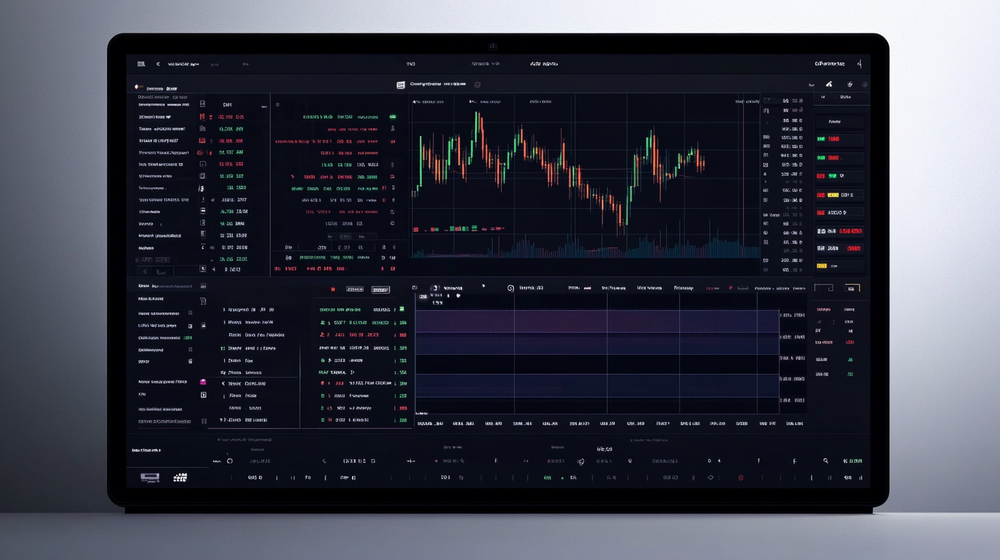
The proprietary WebTrader experience is usually built for accessibility: login, pick a symbol, place an order. Expect basic-to-mid charting (multiple timeframes, common indicators, drawing tools), plus standard order tickets for market and pending orders. Where these web stacks often show their limits is in workflow depth—hotkeys, custom scripting, tick-by-tick audit trails, and robust trade journaling are not always front and center. Mobile apps on iOS/Android tend to mirror the core functions (watchlists, charting, order management), but advanced layout and execution diagnostics can be thinner than what MT4/MT5 or cTrader users are used to.
Trading Fees, Spreads, and Account Types at Sommet Partivoire
Cost presentation is typically spread-led. A standard-style account in this category often prints EUR/USD around 2.0 pips in normal liquidity, while a “Raw/ECN” tier may advertise near-zero spreads (say 0.0–0.4 pips) and then charge a commission in the neighborhood of $6–$8 per round turn. Add the quiet fees: swap/overnight financing on leveraged CFD positions, potential withdrawal charges depending on method, and occasional inactivity fees if the account sits dormant. For platforms like Sommet Partivoire, the most honest comparison is: your expected all-in cost per round trip, plus your worst-case slippage during the hours you actually trade.
When Do Traders Start Looking for Sommet Partivoire Alternatives?
Nothing forces clarity like a withdrawal request. Traders usually begin scanning Sommet Partivoire alternatives when the “trading” part works, but the “money” part feels uncertain—especially under an offshore setup where investor protections and complaint routes are thinner. Another common catalyst is strategy growth: once you’re sizing up, a few tenths of a pip, a small commission difference, or a better execution model can matter more than flashy leverage. Remember: CFDs are margin products; the same leverage that amplifies P&L also amplifies operational risk when the broker relationship is fragile.
- You need MT4/MT5 or cTrader for EAs, custom indicators, or advanced order handling that a basic WebTrader can’t replicate.
- Your trading journal shows slippage widening during news releases, and you want a broker that explains its execution model (market maker vs STP/ECN/DMA) more transparently.
- You’re targeting UK/EU-style protections (segregated client funds, negative balance protection where applicable, clearer complaint escalation) instead of offshore-only terms.
- You want access to real stocks/ETFs (not only stock CFDs), including corporate actions handling and proper reporting for tax records.
How to Choose a Reliable Alternative to the Sommet Partivoire Trading Platform
Pick your broker the way you’d pick your exchange counterparty: start with risk limits, then fit the tool to the job. For alternatives to the Sommet Partivoire trading platform, I treat it as a three-layer decision—(1) legal/regulatory safeguards, (2) execution + costs for your strategy, and (3) platform fit (tools, automation, reporting). If any layer fails, the “nice UI” doesn’t matter.
Regulation, Safety, and Investor Protection
Regulators aren’t magic, but they are a filter. FCA (UK), ASIC (Australia), CySEC (Cyprus/EU), and NFA/CFTC (US) each impose rules around conduct, disclosures, and handling client money. In the UK, FSCS coverage can reach up to £85,000 for eligible claims; in Cyprus, the ICF can cover up to €20,000 in certain cases. Also look for segregated client funds language and negative balance protection where it applies—those two details separate “bad day” risk from “existential” risk.
Available Markets and Instruments
Write down what you truly trade. FX and index CFDs are common almost everywhere, but the moment you want real stocks/ETFs, options, futures, or bonds, the field narrows. Multi-asset brokers like Interactive Brokers or Saxo can provide broader market access (including exchange-traded products) that CFD-only venues don’t replicate. If you only need FX/CFDs, then specialists like Pepperstone or OANDA may be a tighter fit than a sprawling platform you’ll never fully use.
Trading Costs: Spreads, Commissions, and Other Fees
Ignore the poster number and calculate the round turn. A “0.1 pip spread” paired with a $7 commission can cost more than a 0.8 pip all-in spread, depending on your position size and frequency. Add swap/overnight fees if you hold positions, and check inactivity, deposit/withdrawal, and currency conversion charges. I also factor realistic slippage: if you trade around macro releases, execution quality often overwhelms a tiny advertised spread advantage.
Platforms, Tools, and Execution Quality
Platform choice is strategy choice. MT4/MT5 supports a huge ecosystem; cTrader is favored by many for depth-of-market and workflow; proprietary platforms can be clean but closed. Execution model matters too: market maker setups may internalize flow, while STP/ECN/DMA routing can change how re-quotes, partial fills, and slippage show up. If you’re coming from Sommet Partivoire, ask the new broker how it reports execution statistics and whether you can review detailed fill data after the fact.
Support, Education, and Overall User Experience
Support becomes important precisely when things go wrong: margin calls, platform outages, or withdrawal checks. Look for clear support hours that match your session (US/EU time zones), multiple contact channels, and documentation that goes beyond beginner gloss. Education is useful, but I value operational clarity more—funding methods, fee tables, and plain-language risk disclosures. Finally, test the mobile app: many traders manage risk from a phone when markets move fast.
Sommet Partivoire and Different Asset Classes: When Alternatives May Be Better
Sommet Partivoire Forex and CFD Trading
Sommet Partivoire’s likely sweet spot is the classic retail package: a few dozen FX pairs (think 30–50), major indices, a handful of commodities, and leverage that can reach roughly 1:500. That leverage number sells accounts; it doesn’t necessarily improve outcomes. The more practical question is execution and total cost. With EUR/USD often around 2.0 pips on standard-style pricing in offshore CFD venues, frequent traders can bleed quietly—especially if spreads widen at rollover and slippage hits during volatility. FX/CFD specialists such as Pepperstone and IC Markets tend to appeal to scalpers and systematic traders because they offer MT4/MT5/cTrader stacks and pricing structures that are easier to benchmark (including raw-spread accounts with explicit commissions). If your edge is small, transparency beats bravado.
Sommet Partivoire Stock and ETF Trading
Here’s the gap many traders don’t notice until tax season: “stock trading” can mean stock CFDs, not real shares. With CFDs, you don’t get shareholder rights, you’re subject to financing costs, and the product is a derivative contract with your broker. Offshore CFD platforms often focus on CFD exposure rather than direct exchange access, and that’s a meaningful difference if you want long-term holdings, dividends handling, or broad ETF selection. Interactive Brokers is the obvious closer for this gap—especially for US/EU traders who need exchange-traded stocks/ETFs, options, futures, and robust reporting. Saxo is another strong multi-asset option for investors who want a single account view across asset classes and professional-grade tools without living inside a CFD-only universe.
Sommet Partivoire Crypto Trading
As a Bitcoin orthodox, I’ll be blunt: crypto CFDs are not Bitcoin. They’re price exposure through a contract, with no on-chain withdrawal, no self-custody, and no final settlement—just counterparty risk and funding rates. Sommet Partivoire-style menus often include 10–30 crypto CFDs, which can be fine for short-term hedging, but it’s the opposite of owning sats. If your goal is regulated derivative exposure, IG and Plus500 are commonly used in regions where they offer crypto CFDs under established regulatory umbrellas. If your goal is actual Bitcoin ownership, that belongs on-chain with self-custody (and yes, that’s outside what most brokers provide). For traders comparing competitors to Sommet Partivoire, be explicit about whether you want CFDs, ETPs, or real spot holdings.
Best Sommet Partivoire Alternatives for 2026: Comparison of Top Trading Platforms
Interactive Brokers (IBKR): Key Facts and How It Compares to Sommet Partivoire
Regulation: SEC/FINRA (US), FCA (UK), IIROC (Canada) (entity depends on your region)
Markets: Stocks, ETFs, options, futures, bonds, FX (and some CFDs outside the US)
Fees: FX pricing is typically commission-based with tight spreads; equities/derivatives priced per schedule (varies by venue and tier)
Platform: Trader Workstation (TWS), web portal, mobile apps; API access for advanced users
Best For: Multi-asset traders who want exchange access and institutional-style reporting
Pepperstone: Key Facts and How It Compares to Sommet Partivoire
Regulation: FCA (UK), ASIC (Australia), CySEC (Cyprus), DFSA (UAE)
Markets: FX and CFDs (indices, commodities; crypto CFDs where permitted)
Fees: EUR/USD often ~0.0–0.3 pips plus commission on Razor/Raw-style accounts; ~1.0+ pip equivalent on Standard-style pricing (region/account dependent)
Platform: MT4, MT5, cTrader, TradingView integrations (availability can vary)
Best For: MT4/MT5/cTrader users running tight-risk, high-frequency strategies
IG: Key Facts and How It Compares to Sommet Partivoire
Regulation: FCA (UK), ASIC (Australia), MAS (Singapore)
Markets: CFDs (and spread betting in the UK); broad indices/FX offering; shares often via CFDs and/or share dealing depending on region
Fees: Spread-led pricing; major FX spreads can be competitive, with costs varying by instrument and volatility
Platform: IG web platform, mobile apps; MT4 supported in many regions
Best For: Risk-conscious CFD traders who value a long-operating, heavily supervised venue
OANDA: Key Facts and How It Compares to Sommet Partivoire
Regulation: CFTC/NFA (US), FCA (UK), ASIC (Australia), IIROC (Canada)
Markets: FX (and CFDs in certain regions); crypto CFDs where permitted
Fees: Typically spread-based; EUR/USD commonly around ~0.6–1.2 pips in many retail configurations (varies by entity and market conditions)
Platform: OANDA proprietary platforms, MT4 (availability varies by region)
Best For: US-eligible FX traders who need a broker under NFA oversight
Saxo Bank: Key Facts and How It Compares to Sommet Partivoire
Regulation: FCA (UK), MAS (Singapore), DFSA (UAE) (group licenses vary by jurisdiction)
Markets: Stocks, ETFs, options, futures, FX, bonds, CFDs
Fees: FX spreads can be low on major pairs for higher tiers; multi-asset fees depend on market and service level
Platform: SaxoTraderGO, SaxoTraderPRO
Best For: Portfolio-style traders who want professional tools without building a full prime setup
Plus500: Key Facts and How It Compares to Sommet Partivoire
Regulation: FCA (UK), CySEC (Cyprus), ASIC (Australia), MAS (Singapore)
Markets: CFDs on FX, indices, commodities, shares; crypto CFDs where permitted
Fees: Spread-based pricing; overnight funding (swap) applies to leveraged CFD positions
Platform: Plus500 proprietary WebTrader and mobile apps
Best For: Beginners who want a simple CFD interface with clear guardrails
Comparison Summary
| Platform | Regulation | Main Markets | Typical Costs | Best For |
|---|---|---|---|---|
| Interactive Brokers (IBKR) | SEC/FINRA, FCA, IIROC | Stocks/ETFs, options, futures, bonds, FX | Commission schedules; FX typically commission-based with tight spreads | Multi-asset traders who want exchange access and institutional-style reporting |
| Pepperstone | FCA, ASIC, CySEC, DFSA | FX + CFDs | Raw-style: ~0.0–0.3 pips + commission; Standard-style: ~1.0+ pip equivalent | MT4/MT5/cTrader users running tight-risk, high-frequency strategies |
| IG | FCA, ASIC, MAS | CFDs (broad FX/indices); shares often CFDs and/or dealing by region | Spread-led; varies by instrument and volatility | Risk-conscious CFD traders who value a long-operating, heavily supervised venue |
| OANDA | CFTC/NFA, FCA, ASIC, IIROC | FX (CFDs in some regions) | Typically spread-based; EUR/USD often ~0.6–1.2 pips depending on entity/conditions | US-eligible FX traders who need a broker under NFA oversight |
| Saxo Bank | FCA, MAS, DFSA | Stocks/ETFs, options, futures, FX, bonds, CFDs | Tiered pricing by account/market; competitive FX on majors for many clients | Portfolio-style traders who want professional tools without building a full prime setup |
| Plus500 | FCA, CySEC, ASIC, MAS | CFDs on FX/indices/commodities/shares | Spread-based + overnight funding on leveraged positions | Beginners who want a simple CFD interface with clear guardrails |
How to Safely Move from Sommet Partivoire to Another Broker
Switching brokers is not a “click and forget” event; it’s operational risk management. Treat the move like you would a systems migration: verify the destination, reduce exposure during transfer, and keep records. If you rush, the failure mode is ugly—stuck withdrawals, mismatched KYC/AML checks, or accidental over-leverage while you rebuild positions.
- Confirm the new broker’s license on the regulator’s public database (FCA Register, ASIC Connect, CySEC register, or NFA BASIC) and match the legal entity name exactly.
- Open the new account and complete KYC (ID + proof of address) before you reduce activity at the old broker; approval is often fast, but don’t plan your cashflow on “often.”
- Flatten or reduce open CFD positions first; don’t assume you can transfer positions from one broker to another—most of the time you’ll need to re-enter on the new venue.
- Export statements, trade history, and fee reports for your records, then store them offline; this is boring until you need it for taxes or dispute resolution.
- Request a full withdrawal from Sommet Partivoire using the same rail you funded with (card-to-card, bank-to-bank, etc.), because AML rules usually block “new destination” withdrawals.
- Fund the new broker with a small test amount and place a few low-size trades to evaluate spreads, slippage, and platform stability during your normal trading hours.
- If you automate, rebuild carefully: update EAs/API keys, confirm symbol specifications (contract size, margin rate), and re-check risk limits before scaling back up.
Ready to Explore Sommet Partivoire?
If you’re still considering the platform, review the current onboarding flow, product list, and regional eligibility first—details can change. Then compare it directly against the best Sommet Partivoire alternatives 2026 on regulation, pricing structure, and platform tools before you commit meaningful capital.
FAQ: Sommet Partivoire Alternatives and Trading Platforms
What is the best alternative to Sommet Partivoire in 2026?
The best choice depends on whether you need true multi-asset access or just FX/CFDs. For exchange-traded stocks/ETFs and deep reporting, Interactive Brokers (IBKR) is hard to beat; for FX execution and MT4/MT5/cTrader workflows, Pepperstone is a frequent pick. If you prioritize a supervised CFD venue with a broad product catalog, IG is also a common short-list candidate.
Is Sommet Partivoire a safe broker/platform?
Sommet Partivoire appears to fit an offshore/unregulated profile (often associated with jurisdictions like Seychelles in this segment), which generally provides fewer investor protections than FCA/ASIC/CySEC/NFA-regulated firms. That doesn’t automatically mean fraud, but it does mean you should treat counterparty and withdrawal risk as a primary variable, not a footnote. If safety is your priority, regulated options vs Sommet Partivoire are typically the cleaner starting point.
Can I trade stocks, futures, or crypto with Sommet Partivoire?
With platforms like Sommet Partivoire, the usual offering is forex and CFDs, including crypto CFDs (often 10–30 coins) and sometimes stock CFDs—rather than direct exchange-traded stocks/ETFs or listed futures. If you need real stocks/ETFs, options, or futures access, brokers like IBKR or Saxo are built for that. For crypto exposure, be clear: CFDs track price, but you don’t receive on-chain coins.
What should I check before switching from Sommet Partivoire to another platform?
Before switching, verify the new broker’s exact legal entity on a regulator register and confirm client-money handling (segregated funds, negative balance protection where applicable, and complaint processes). Next, compare round-turn costs for your strategy—spread + commission + expected slippage + swaps if you hold overnight—so you’re not fooled by marketing. Finally, complete KYC at the new broker first and plan withdrawals so they follow AML rules, which often require the same funding method you used previously.
About the Author: Kenji Tanaka is a Tokyo-based financial journalist and active trader with a cryptography background (University of Tokyo, incomplete). I’m Bitcoin-orthodox—“21 million — and not a coin more”—and that bias makes me ruthless about counterparty risk, custody, and the fine print that fiat finance wants you to ignore.